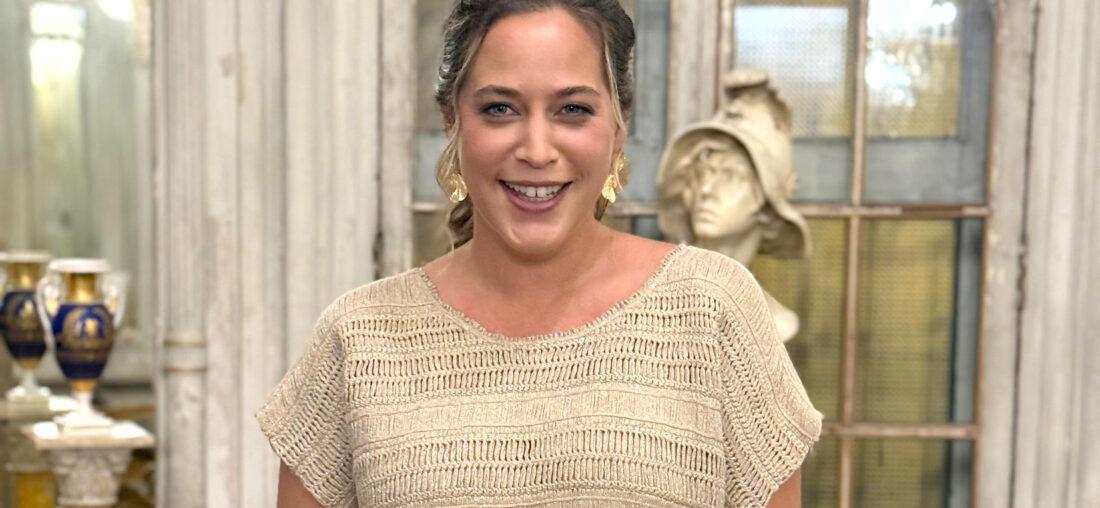
THE 50 BEST: ASADOR ETXEBARRI EN EL 1 Y KJOLLE EN EL 7, CON LA PRIMERA MUJER EN SOLITARIO QUE ALCANZA UN PUESTO TAN ALTO EN LA LISTA
Kjolle, de Pía León, es clave: solo hay tres mujeres liderando en solitario sus cocinas en esta lista.


Kjolle, de Pía León, es clave: solo hay tres mujeres liderando en solitario sus cocinas en esta lista.
Escribe Redacción El Trinche (IG @eltrinchecom)
En la edición 2026 de la lista global de The 50 Best Restaurants celebrada en Lima, Perú, hay matices que destacar. Para bien, que el centenario oficio de cocinero enfocado en perfeccionar y realzar la ciencia ancestral del fuego, y con ello tradiciones y cultura de una región —como hace el vasco Asador Etxebarri— haya sido reconocido. Para mal, que en el universo de esta comunidad no se avance con el tema de la paridad: solo hay tres mujeres liderando en solitario restaurantes incluidos en The World’s 50 Best Restaurants 2026, y Kjolle, de Pía León, va a la cabeza (siendo la mujer que más alto ha llegado en la historia de la lista), seguida por las chefs canadiense Jessica Rosval de Al Gatto Verde (Módena, Italia) y tailandesa Pichaya “Pam” Soontornyanakij, de Potong (Bangkok). ¿Qué sabor nos deja esta lista 2026 y la edición realizada en Perú?
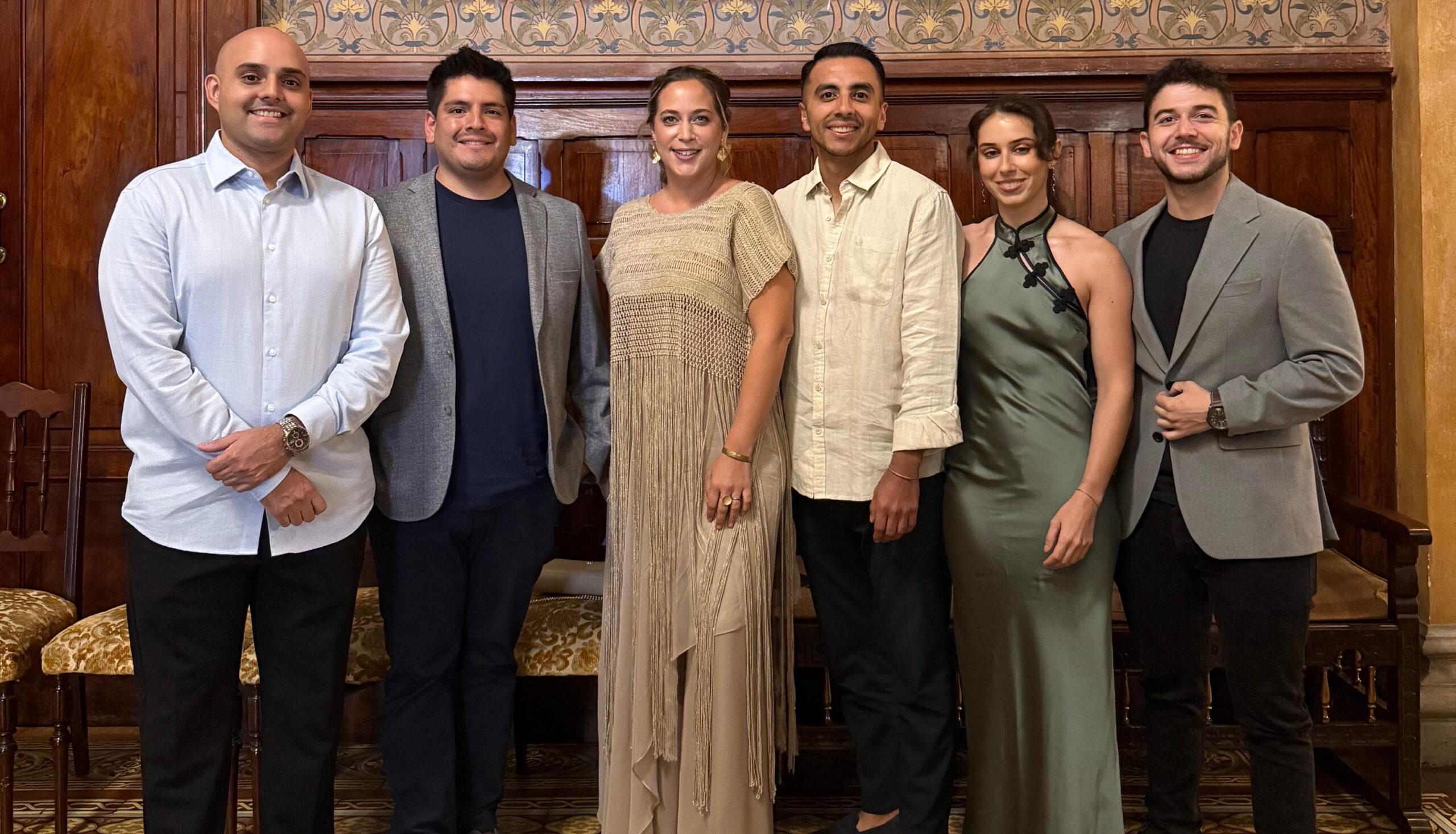
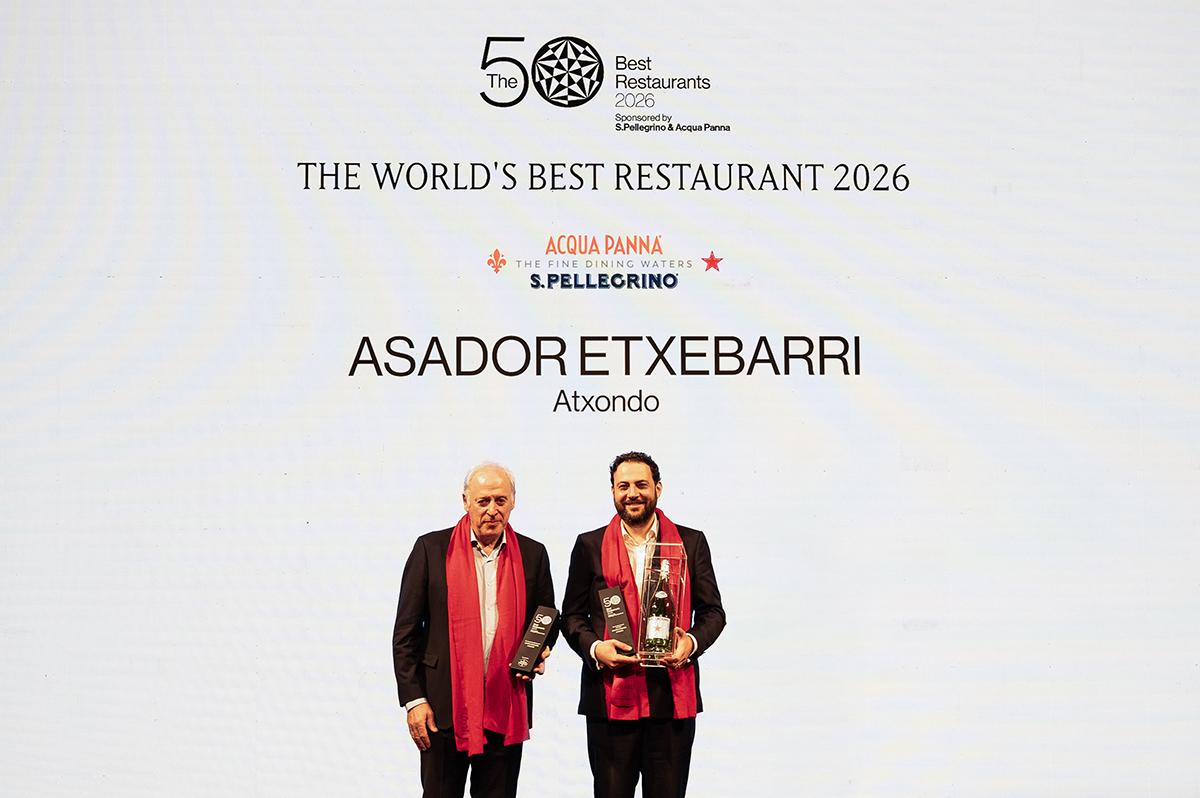
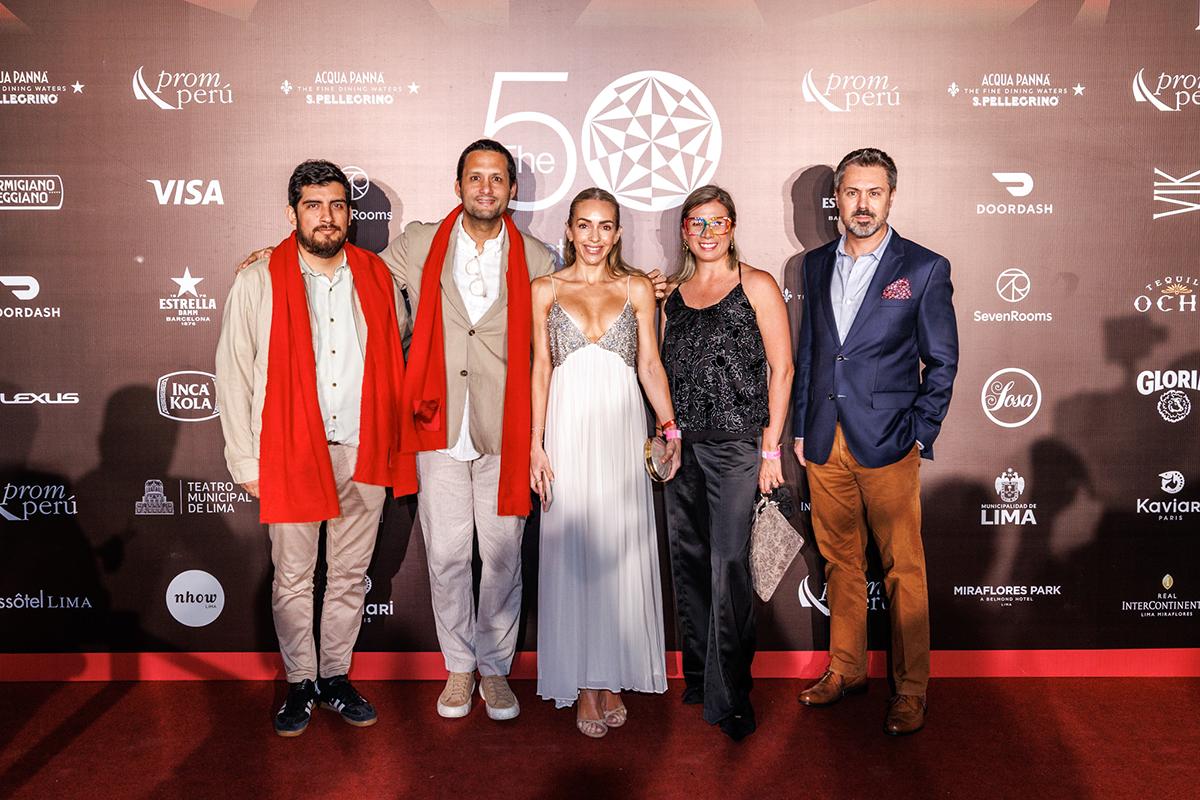
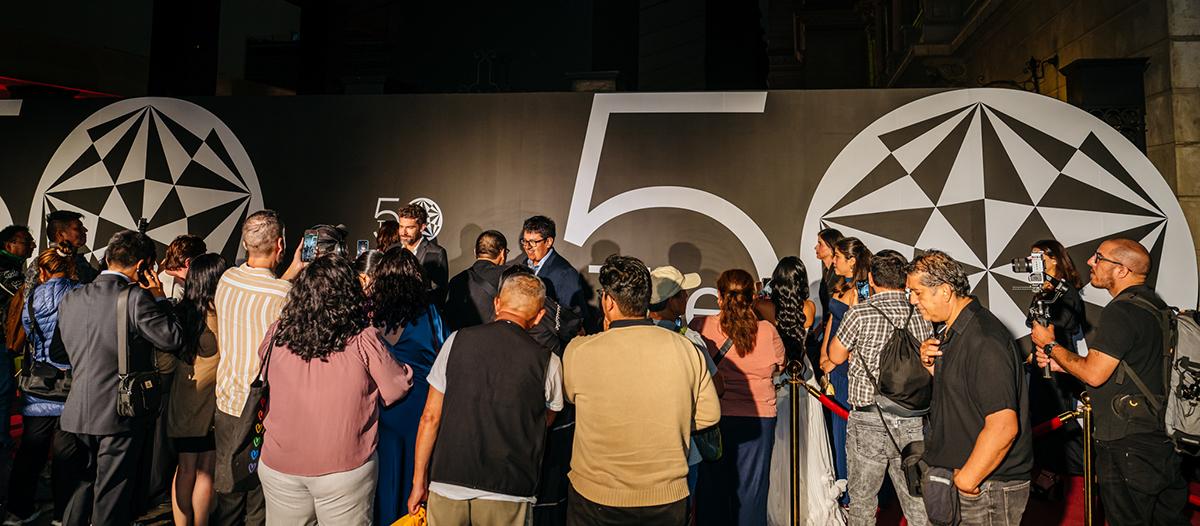
Era un día soleado de junio de 2023 en Valencia, España. Una pregunta, lanzada como parte de nuestra cobertura periodística, dejó flotando—quizá, permítannos elucubrar— una posibilidad. ¿Y por qué no llevar los 50 Best a Lima? Tres años más tarde, el Perú se convirtió en el primer país de Latinoamérica en ser sede de un evento global que desde el 2002 reconoce a los mejores restaurantes del mundo. Hace unos días, una noche de primavera con llovizna tupida, el Teatro Municipal de Lima extendió la alfombra roja para recibir a los invitados a la edición 24 de The 50 Best Restaurants. Quizá muchos peruanos orgullosos de su gastronomía —pero poco enterados de cómo funciona este juego de ascensos y descensos en la lista— pensarían que un restaurante peruano iba a ganar. El ganador fue Asador Etxebarri, un restaurante vasco que a punta de producto y “la técnica ancestral del fuego” logró cambiar el foco de atención en España, del sur al norte, pues durante ocho años los reflectores estuvieron sobre Cataluña, desde los tiempos de ElBulli, pasando por El Celler de Can Roca, hasta Disfrutar. Celebramos este triunfo de Bittor Arguinzoniz y su equipo, pero permítannos aquí volver sobre un tema del que nunca dejaremos de opinar: la poca presencia de mujeres chefs en los ránkings mundiales.
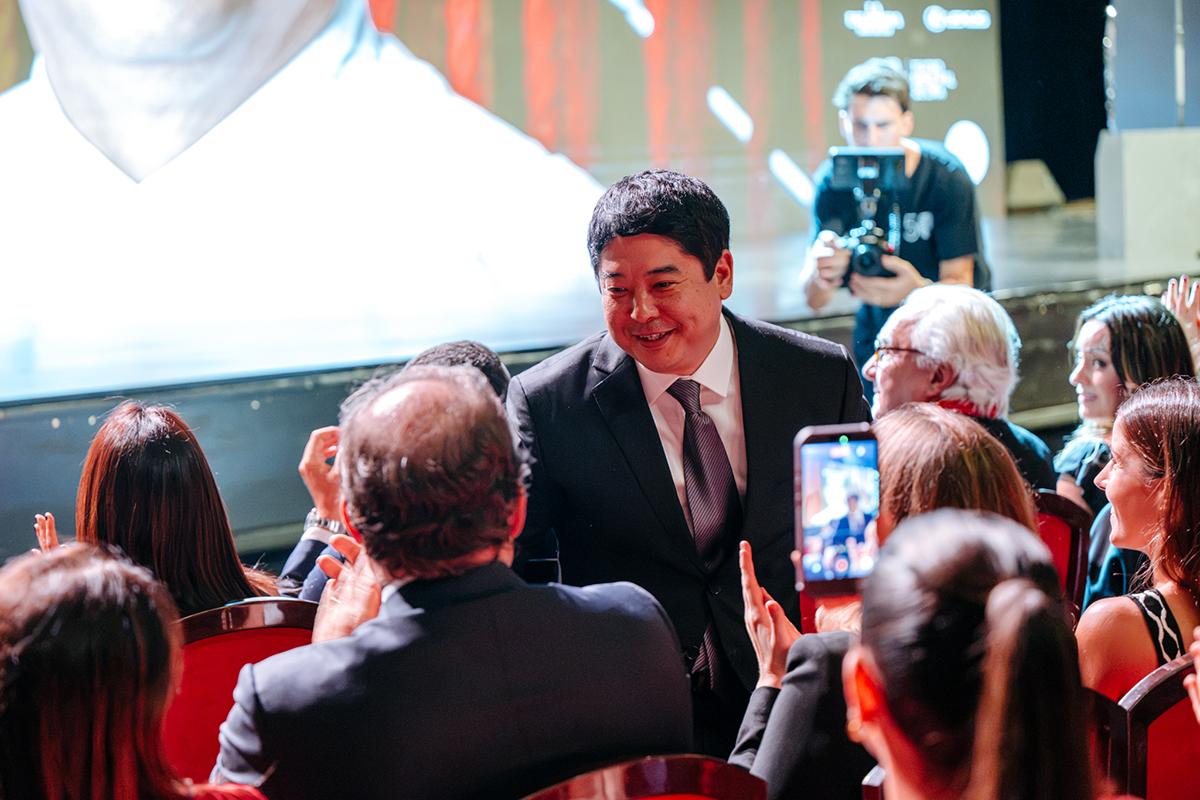
Desmenuzamos un poco la lista. En 2025 Perú tenía cuatro restaurantes en la lista global: Maido, que fue número 1 ese año, pasó a Best of the Best, un grupo que reúne a quienes ya alcanzaron la gloria y que ahora dejan paso libre a que otros puedan escalar. Así, este 2026 quedaron tres peruanos en The 50 Best Restaurants 2026 (además de MIL, en Cusco, en la lista extendida).
Kjolle es actualmente el restaurante peruano mejor rankeado en el mundo. Liderado en solitario por la chef Pía León, lleva apenas cuatro años en este ranking global: empezó puesto 28, saltó al 16, luego al 9 y ahora sube dos lugares para ubicarse en el 7. Nuevamente, Pía León es la primera mujer que lidera en solitario un restaurante que se cuela tan arriba de la historia de esta lista. Las miradas están puestas en la líder de Kjolle y su equipo, tras alcanzar esta ubicación detrás de un español, un tailandés, un danés, un mexicano y dos chinos. ¿Qué hace diferente y diferencial su cocina? Se lo preguntamos a dos chefs debutantes en la lista.
“Creo que lo que más me impactó fue que, más allá de lo delicioso de la comida, Pía está poniendo en el plato los ingredientes, la cultura y la historia de todo un país. Y creo que eso es algo muy poderoso porque, al final del día, lo que ella está tratando de hacer es preservar esa cultura, y para mí eso es realmente muy poderoso. Por eso, no sorprende que esté liderando esta gran ola de la gastronomía peruana que se está extendiendo por todo el mundo”, opina Prateek Sadhu, chef del restaurante Naar (Kasauli, India), que entró a esta lista en el puesto 49 y se hizo merecedor del premio Sustainable Restaurant Award 2026.
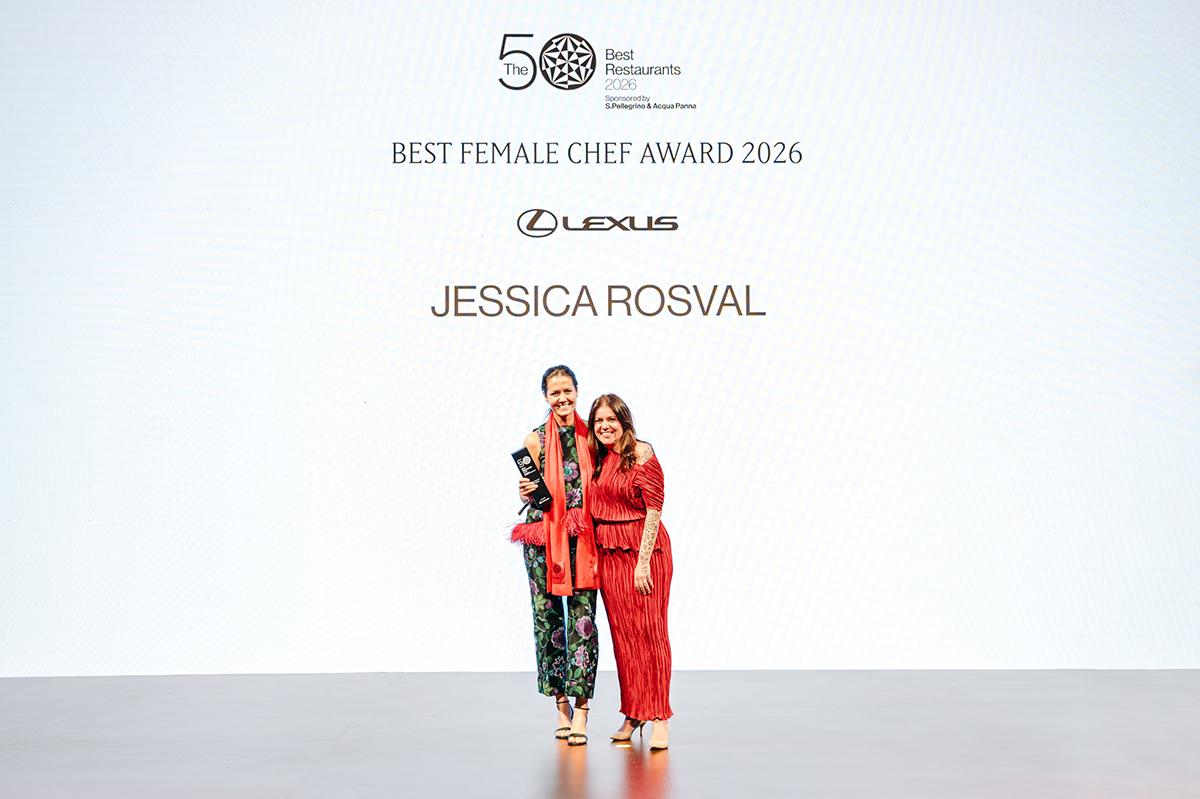
Jessica Rosval, elegida Mejor Chef Mujer del Mundo 2026, también lidera en solitario el equipo de Al Gatto Verde, en Casa Maria Luigia (Módena, Italia). Durante su estancia en Lima, la chef conoció la propuesta de Kjolle, que califica de maravillosa. “Lo que más admiro de Pía es la seguridad con la que ha desarrollado su propia identidad culinaria. Su cocina tiene un sentido del lugar muy marcado y, mediante su enfoque lúdico y creativo, ofrece una manera maravillosa de experimentar la extraordinaria biodiversidad del Perú”, señala. Para Rosval, es un mérito lograr una propuesta tan personal y distintiva, una voz propia a la sombra de un proyecto tan celebrado como Central (que ocupa el mismo edificio). “Kjolle no se siente como una extensión de Central: tiene una personalidad y una expresión propias, que le pertenecen por completo”, remarca Rosval.
Pero la chef de Al Gatto Verde también nos entrega una reflexión importante sobre esta presencia femenina en la lista The 50 Best: “Que haya tres mujeres entre los 50 primeros puestos es, sin duda, algo que merece celebrarse, pero también nos recuerda cuánto trabajo queda todavía por hacer. En nuestra industria no faltan mujeres talentosas y ambiciosas. Lo vemos desde el inicio de sus carreras: las mujeres jóvenes representan casi la mitad de los estudiantes matriculados en escuelas de cocina de todo el mundo. Sin embargo, lamentablemente, las cocinas lideradas por mujeres representan apenas alrededor del 7% de los restaurantes incluidos en la mayoría de las guías internacionales. Lo que necesitamos es impulsar esta conversación y entender cómo crear más oportunidades para que las mujeres puedan crecer, acceder a nuevas posibilidades, desarrollar una voz propia y, finalmente, liderar”.
Rosval llegó de Montreal a Módena hace 13 años, y fue en Al Gatto Verde donde su propuesta empezó a brillar. “He tenido la enorme fortuna de contar con personas como Massimo (Bottura) y Lara (Gilmore), quienes no solo me dieron una oportunidad y un restaurante, sino también la confianza y la libertad creativa para construir algo propio. Y eso es precisamente lo que necesitamos crear para la siguiente generación”, reconoce. Que algún día no necesitemos premios especiales ni tengamos que contar cuántas mujeres figuran en la lista es una esperanza que comparte; y que la presencia femenina en estas listas sea sea “simplemente el reflejo de una industria en la que todos tengan las mismas oportunidades de alcanzar el éxito. Es un proceso lento, pero que ya está tomando forma”.
Rosval es la segunda mujer en el puesto más alto del ranking: el número 24. Este año, además, ganó el premio a Mejor Chef Mujer del Mundo. Un año antes, la tailandesa Pichaya “Pam” Soontornyanakij había obtenido ese reconocimiento, y su restaurante, Potong (Bangkok), celebró en 2025 su ingreso a la lista en el puesto 13, lo que le valió para ser reconocida con el premio Highest New Entry; hoy bajó 19 puestos al número 32.
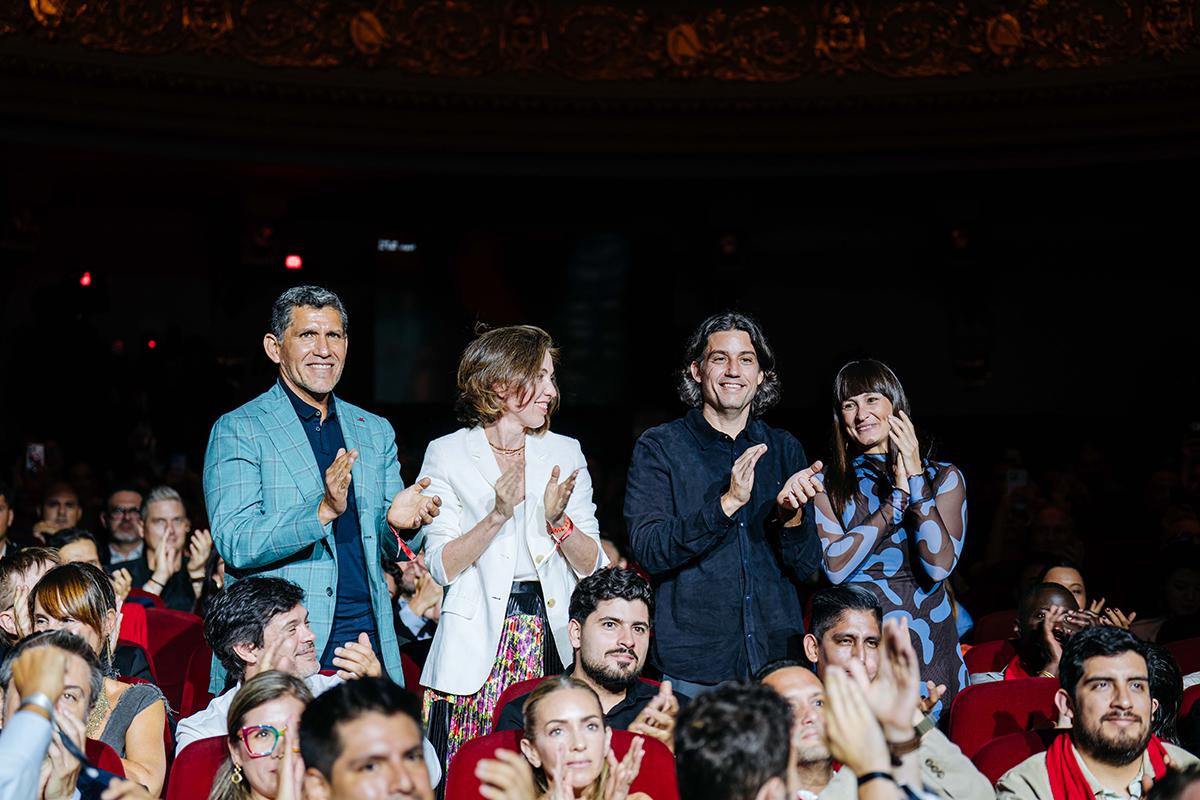
Detrás de Kjolle se ubica Mérito, que tiene apenas dos años en esta lista, y de estar en el puesto 26 logró saltar este año al 13. Barranquino como Kjolle, la cocina del chef venezolano Juan Luis Martínez revela a los mismo peruanos sabores nuevos, pero desde insumos que forman parte de nuestra cotidianidad. Una propuesta que recuerda, desde el fine dining, la manera cómo el mestizaje fue construyendo la gastronomía peruana.
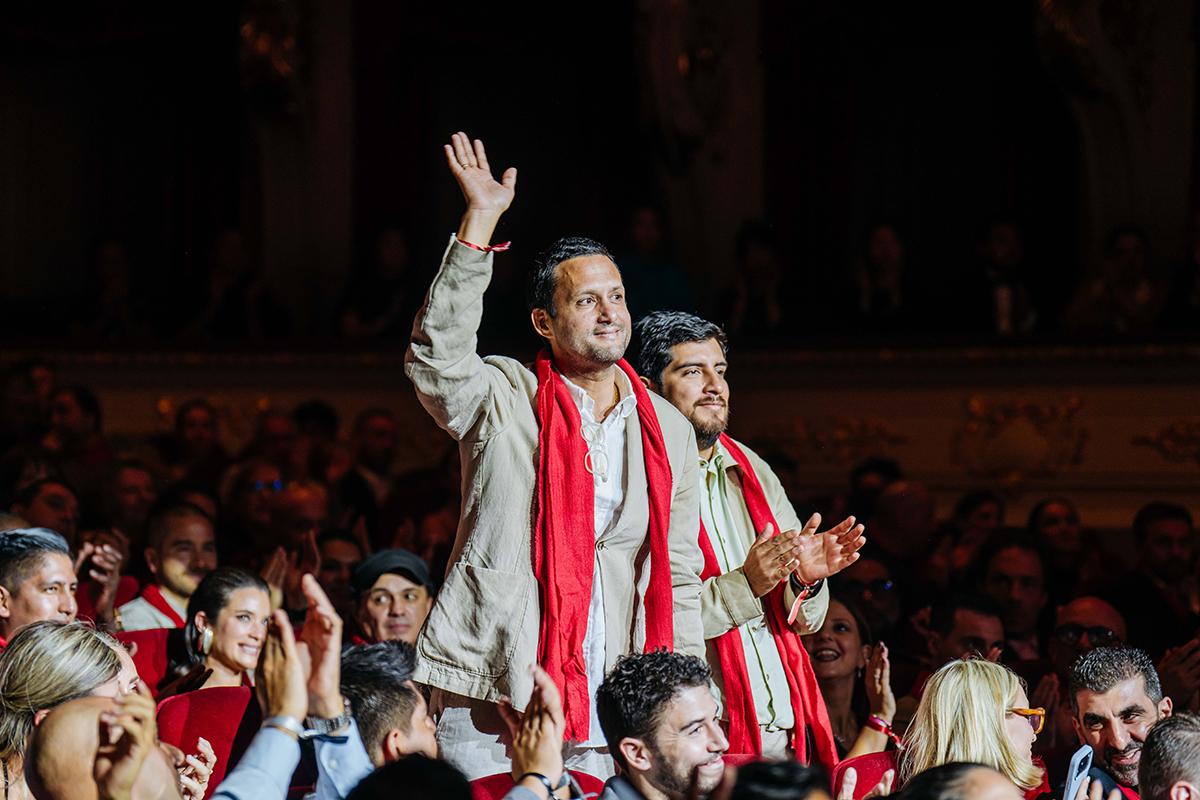
Por otra parte, Mayta, de Jaime Pesaque, lleva cinco años de ascensos y descensos; esta vez bajó seis lugares y se ubica en el 45. Son movidas que forman parte de este juego, donde las votaciones son sensibles y volubles. Si no miren lo que pasó con el bonaerense Don Julio: elegido el mejor restaurante de Latinoamérica en 2020 y 2024, hoy bajó del puesto 10 al 44 de la lista global.
Words By El Trinche Editorial Team
The 2026 edition of The World’s 50 Best Restaurants, held in Lima, Peru, leaves us with several points worth highlighting. On the positive side, the recognition of a centuries-old craft devoted to perfecting and elevating the ancestral art of cooking with fire, and with it the traditions and culture of an entire region, as exemplified by the Basque restaurant Asador Etxebarri. On the negative side, the continued lack of progress toward gender parity within this community: only three women independently lead restaurants included in The World’s 50 Best Restaurants 2026. Kjolle’s Pía León leads the way, becoming the woman to reach the highest position in the history of the ranking, followed by Canadian chef Jessica Rosval of Al Gatto Verde (Modena, Italy) and Thai chef Pichaya “Pam” Soontornyanakij of Potong (Bangkok). What taste does the 2026 ranking, and its edition held in Peru, leave behind?
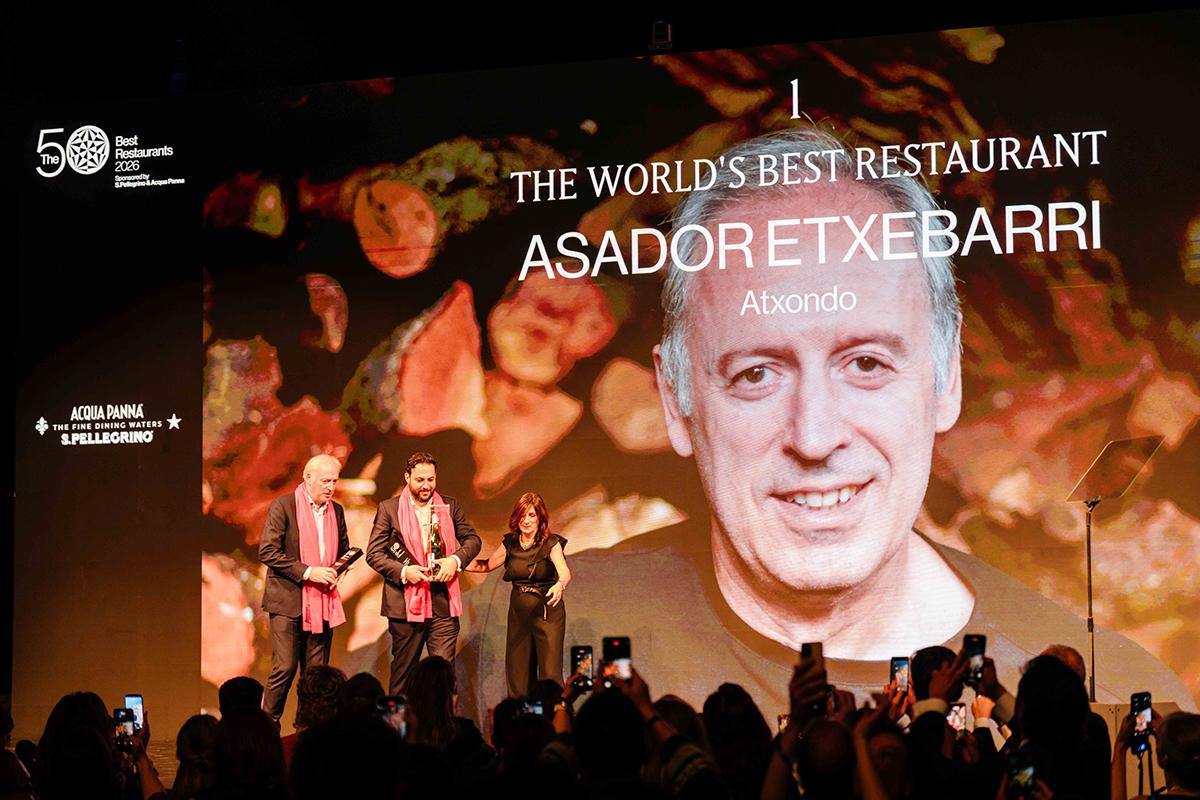
It was a sunny day in June 2023 in Valencia, Spain. A question, raised as part of our journalistic coverage, left a possibility hanging in the air — perhaps, if you’ll allow us to speculate. Why not bring the 50 Best to Lima? Three years later, Peru became the first Latin American country to host a global event that has recognized the world’s best restaurants since 2002. A few days ago, on a spring evening marked by steady drizzle, Lima’s Municipal Theater rolled out the red carpet to welcome guests to the 24th edition of The 50 Best Restaurants. Perhaps many Peruvians, proud of their gastronomy but less familiar with how this game of rises and falls in the ranking works, expected a local restaurant to win. The winner was Asador Etxebarri, a Basque restaurant that, through exceptional ingredients and the ancestral technique of cooking with fire, managed to shift Spain’s culinary spotlight from south to north. For eight years, that spotlight had been firmly fixed on Catalonia, from the days of elBulli through El Celler de Can Roca and, more recently, Disfrutar. We celebrate this triumph for Bittor Arguinzoniz and his team. But allow us to return to a subject we will never stop talking about: the limited presence of female chefs in the world’s restaurant rankings.
Let’s take a closer look at the ranking. In 2025, Peru had four restaurants on the global list. Maido, which reached No. 1 that year, has now joined the Best of the Best, a group reserved for restaurants that have already achieved the ultimate distinction and must step aside to allow others to climb. As a result, Peru has three restaurants in The World’s 50 Best Restaurants 2026, in addition to MIL, in Cusco, which appears on the extended list.
Kjolle is currently the highest-ranked Peruvian restaurant in the world. Led independently by chef Pía León, it has been part of the global ranking for just four years. It debuted at No. 28, climbed to No. 16, then No. 9, and has now risen another two places to reach No. 7. Once again, Pía León becomes the first solo woman leading a restaurant to reach such a high position in the history of the ranking. All eyes are now on Kjolle’s chef and her team, after securing a position behind one Spanish, one Thai, one Danish, one Mexican and two Chinese restaurants. What makes her cooking different? What sets it apart? We asked two chefs making their debut on the list.
«I think what struck me most was that, beyond how delicious the food was, Pía is putting the ingredients, culture and history of an entire country on the plate. And I think that’s incredibly powerful because, at the end of the day, what she’s trying to do is preserve that culture. For me, that’s something truly meaningful. So it’s no surprise that she’s leading this great wave of Peruvian gastronomy that is spreading around the world,» says Prateek Sadhu, chef of Naar in Kasauli, India, which entered the ranking at No. 49 and received the Sustainable Restaurant Award 2026.
Jessica Rosval, named the World’s Best Female Chef 2026, also independently leads the team at Al Gatto Verde, at Casa Maria Luigia in Modena, Italy. During her stay in Lima, she experienced Kjolle’s cuisine, which she describes as wonderful. «What I admire most about Pía is the confidence with which she has developed her own culinary identity. Her cooking has a very strong sense of place, and through her playful and creative approach, she offers a wonderful way to experience Peru’s extraordinary biodiversity,» she says. For Rosval, creating such a personal and distinctive proposal, a voice of her own in the shadow of a project as celebrated as Central, which occupies the same building, is a remarkable achievement. «Kjolle doesn’t feel like an extension of Central. It has its own personality and expression, entirely its own,» Rosval emphasizes.
But the chef of Al Gatto Verde also offers an important reflection on the presence of women in The World’s 50 Best Restaurants. «Having three women among the top 50 is certainly something worth celebrating, but it also reminds us how much work remains to be done. Our industry does not lack talented and ambitious women. We see this from the beginning of their careers: young women account for almost half of the students enrolled in culinary schools around the world. Unfortunately, however, kitchens led by women represent only around 7% of the restaurants included in most international guides. What we need is to keep this conversation moving forward and understand how to create more opportunities for women to grow, access new possibilities, develop their own voices and, ultimately, lead.»
Rosval arrived in Modena from Montreal 13 years ago, and it was at Al Gatto Verde that her culinary vision began to shine. «I have been incredibly fortunate to have people like Massimo [Bottura] and Lara [Gilmore] in my life. They didn’t just give me an opportunity and a restaurant; they gave me the trust and creative freedom to build something of my own. And that is precisely what we need to create for the next generation,» she acknowledges. She shares the hope that one day special awards will no longer be necessary, nor will we need to count how many women appear on these lists. That female representation will simply reflect an industry where everyone has the same opportunities to succeed. It is a slow process, she says, but one that is already beginning to take shape.
Rosval is the second-highest-ranked woman on this year’s list, at No. 24. She also received the World’s Best Female Chef award this year. A year earlier, Thai chef Pichaya «Pam» Soontornyanakij had received the same recognition. Her restaurant, Potong in Bangkok, celebrated its debut on the list in 2025 at No. 13, earning the Highest New Entry award. This year, it dropped 19 places to No. 32.
Behind Kjolle comes Mérito, which has been on the list for just two years. After ranking No. 26, it made an impressive leap to No. 13 this year. Located in Barranco, like Kjolle, Venezuelan chef Juan Luis Martínez’s restaurant reveals new flavors even to Peruvians themselves, using ingredients that are part of our everyday lives. It is a proposal that, through the lens of fine dining, reminds us how cultural and culinary exchange has shaped Peruvian gastronomy.
Meanwhile, Mayta, led by Jaime Pesaque, has experienced five years of rises and falls. This time, it dropped six places to No. 45. These movements are part of the game, where voting can be sensitive and unpredictable. Just look at what happened to Buenos Aires restaurant Don Julio: named Latin America’s best restaurant in both 2020 and 2024, it has now fallen from No. 10 to No. 44 on the global list.
1. Peru’s ability to organize a major international event in record time. Just four months passed between the official announcement last July and the event itself, when a host country would usually have more than a year to prepare. And although the experience showed that Lima still has many details to address — downtown traffic caused serious difficulties for many guests, some theater seating arrangements were incorrect, and experienced food journalists were relegated to the upper gallery, making their work more difficult — we also witnessed many visitors returning home with smiles on their faces, grateful for Peruvian hospitality.
2. For visitors. Countless kilometers spent discovering our city, its culture, its people and its flavors.Lima’s historic center, with its churches and heritage mansions, its delicious little corners, its squares and monuments, and its stories of conquest and emancipation. Miraflores, with its oceanfront promenade, the endless sea and those sunsets that invite contemplation. And Barranco and Surquillo, among other neighborhoods, each with its own vibrant culinary identity.
3. Chefs, international journalists and other visitors traveled beyond Lima to discover Cusco and Tarapoto. In Arequipa, meanwhile, the Hay Festival took place with only one workshop connected to a culinary subject. An opportunity was missed to create a deeper connection between literature and gastronomy, and to explore the knowledge and traditions of the White City while taking advantage of the momentum generated by The 50 Best Restaurants.
4. Lima, on the other hand, did create spaces for conversation and reflection. Discussions explored subjects that enrich our understanding of gastronomy: food as a cultural force, new ways of approaching hospitality, sustainability, tradition and innovation from Peru’s different regions, among many others.
5. Around a dozen collaborative dinners took place. Not only the official 50 Best events, but also those organized by local chefs, bringing together international guests and fellow Peruvian cooks. These were joined by another dozen or more gastronomic events, cocktail gatherings and parties held in Lima’s cafés, restaurants and bars. And there was one particularly special dinner in Tarapoto, bringing together a new generation of young female chefs who inspire us to look beyond the capital and remind us how beautiful — and delicious — it can be to work together. They included Francesca Ferreyros of Son; Mayra and Pía Flores of Shizen; Arlette Eulert of Bruto; Gabriela León of Lady Bee; and Alejandra Jaramillo of Suchiche.
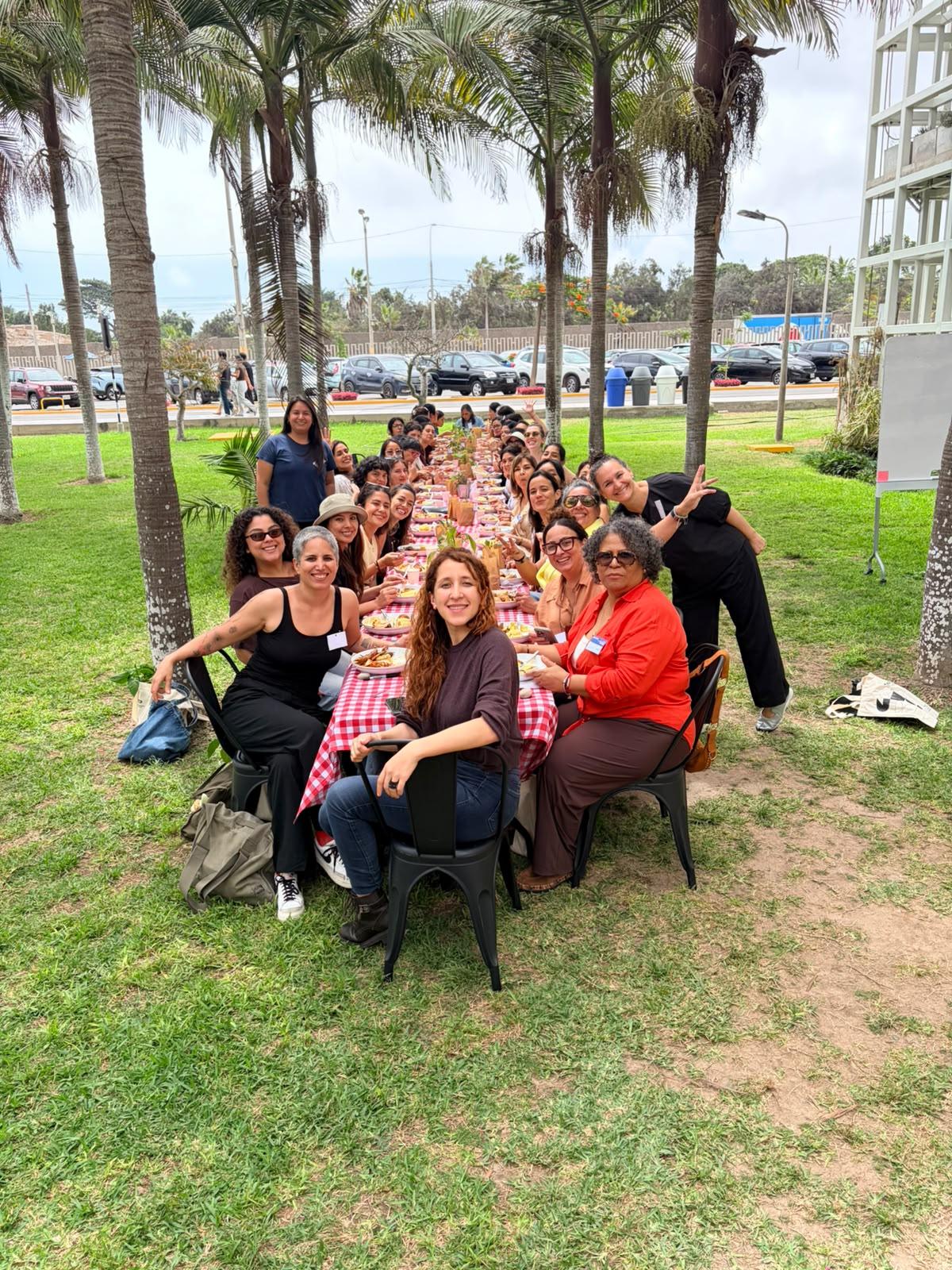
6. A gathering of women in gastronomy, organized by La Revolución and GHOT PUCP. Female chefs, baristas, bartenders and professionals from other disciplines came together, looking one another in the eye, sharing experiences about the wonderful aspects of their work, the difficult ones and the challenges they face. They recognized themselves in one another, finding ways to offer mutual support and grow together.
7. Youth and a collective spirit. We saw the established names, of course, but also young Peruvians presenting their ideas with confidence, freedom and passion, from new restaurants such as Son to sweet shops such as El Pregón de las Once. Everyone joined in, opening their doors. There were also artistic expressions connected to food, including ceramics, design and photography, as well as cafés such as Ciclos and wineries such as Bodega Murga, which welcomed visitors for tastings. Together, they revealed a city willing to share what it does best: its cooking, its creativity, its people and its hospitality.

La Chanfainita de la Tía Ceci continúa el legado de doña Cecilia Huamaní. El histórico huarique limeño ha trascendido generaciones dedicado a preparar el tradicional guiso de bofe de res, con la misma receta de hace 50 años.
Leer más
Enciendan las brasas y alisten las parrillas. Es tiempo de elegir entre la variedad de chorizos que ofrece Wong, para lucirse como expertos parrilleros.
Leer más
Por séptimo año consecutivo, nuestro país ha sido elegido como destino cultural de Sudamérica.
Leer más


Cada semana recibirás diversos artículos interesantes sobre gastronomía.
 Regresar


