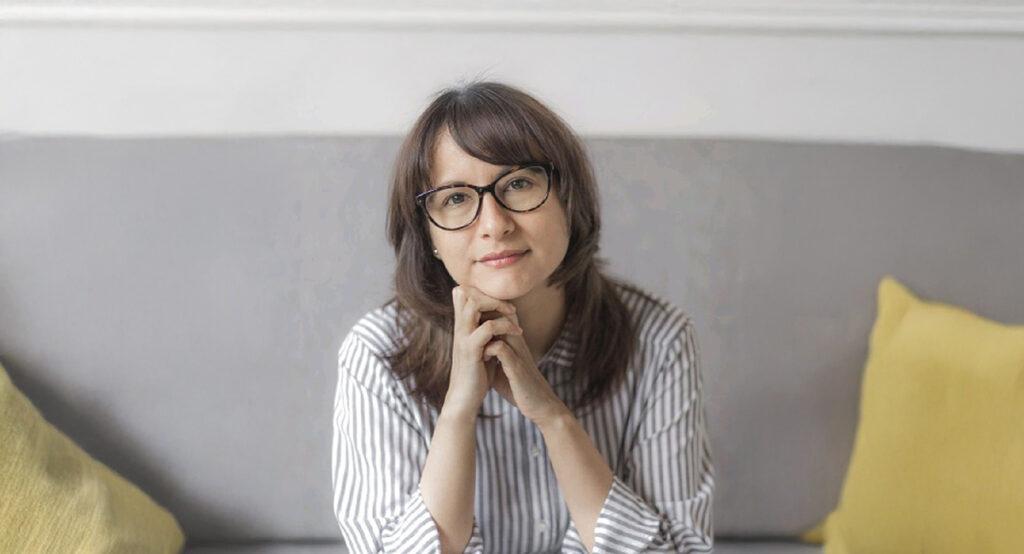
NORKA PERALTA: EL CAFÉ SE CONVIERTE EN UNA HISTORIA DE PERSONAS
Creadora de Cafelab y editora de OjoPúblico, Norka Peralta encontró en el café una forma de contar las historias sociales que transforman el Perú.


Creadora de Cafelab y editora de OjoPúblico, Norka Peralta encontró en el café una forma de contar las historias sociales que transforman el Perú.
Escribe Daniel Quintero (IG @danielquintero)
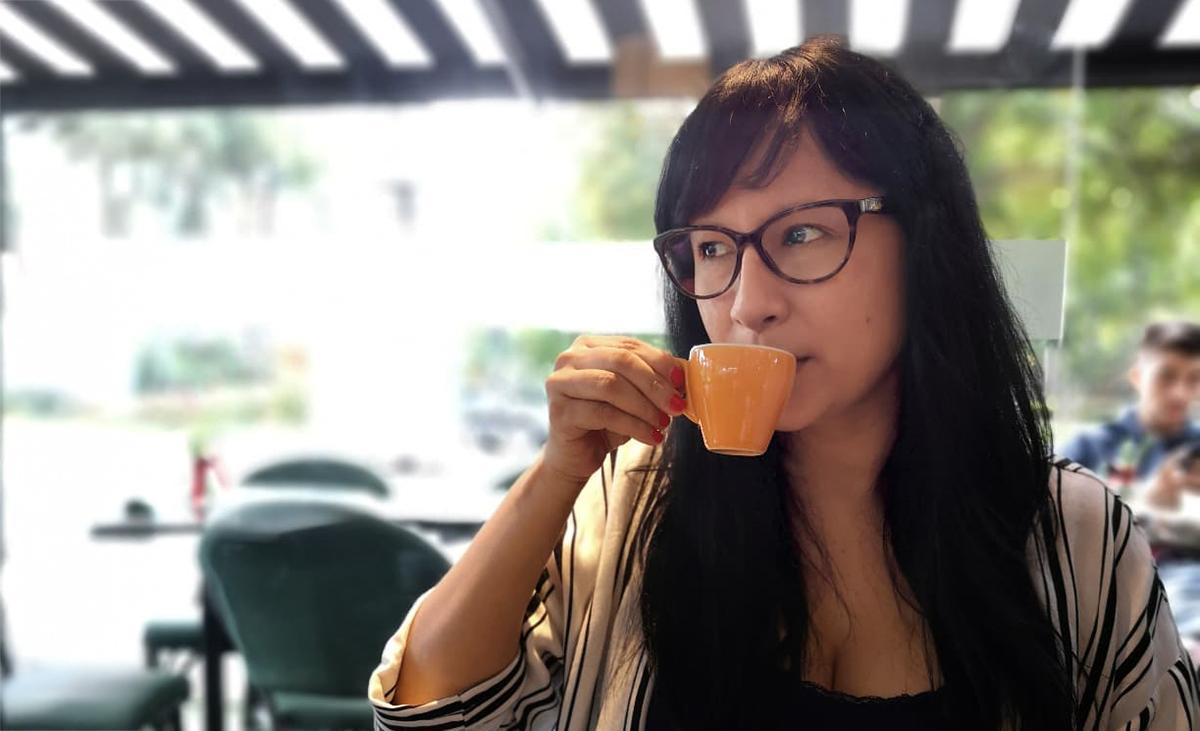
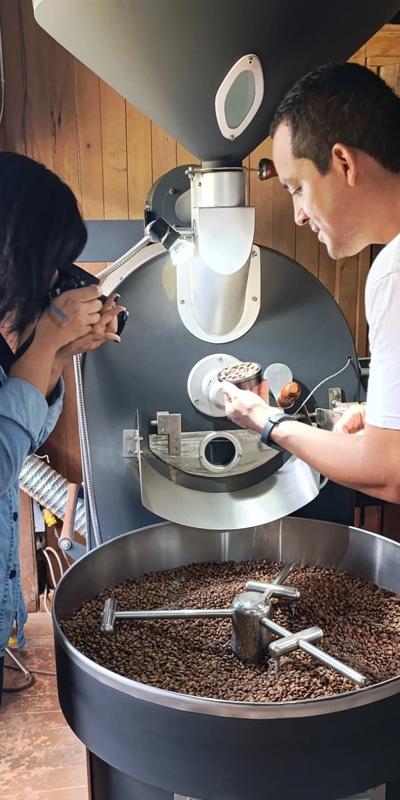
Norka Peralta llegó al café por una historia. En 2011, mientras trabajaba como periodista en El Comercio, un reportaje sobre Café Femenino la llevó a conocer a un grupo de productoras del norte del Perú que, gracias al comercio justo, estaban transformando no solo la calidad de su café, sino también la vida de sus familias. Aquel viaje cambió para siempre la manera en que entendía la bebida. «Ahí descubrí que detrás de un buen café podían existir historias de empoderamiento femenino, comercio justo e impacto social», recuerda.
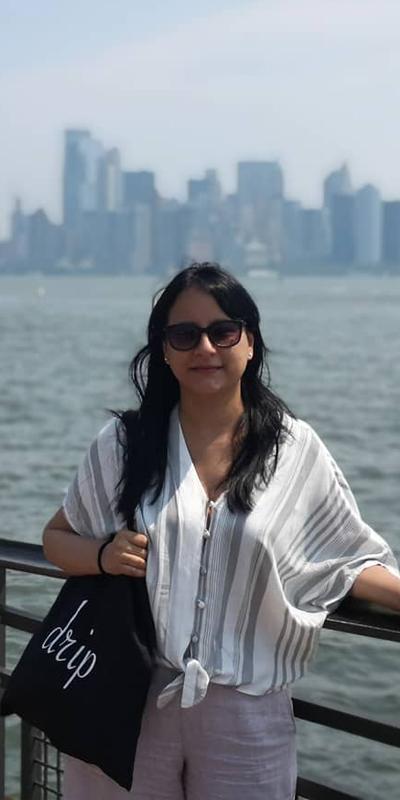
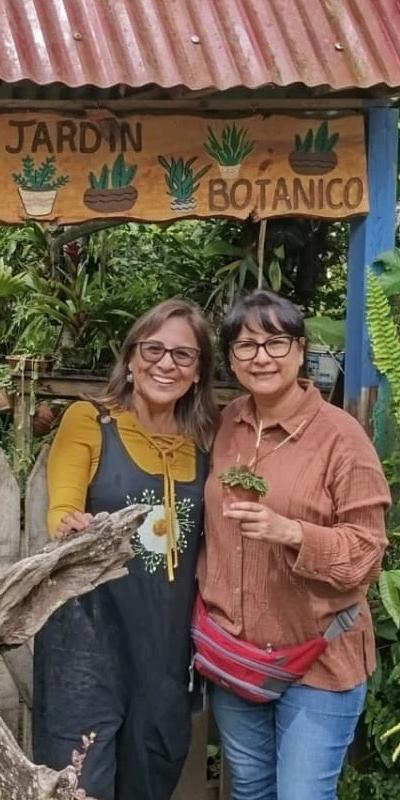
Norka nació y creció en Lima, en una familia donde el café siempre estuvo presente. Su padre trabajó durante toda su vida en Nestlé y el café soluble era parte de la rutina familiar. Incluso comenzó a beberlo desde niña porque era intolerante a la leche y unas gotas de café ayudaban a hacerla más tolerable. Lejos de renegar de esos recuerdos, los reivindica: «No voy a hablar mal de ese café. Fue el sustento de mi familia durante toda la vida». Más adelante, mientras estudiaba Periodismo en la Universidad San Martín de Porres y daba sus primeros pasos en El Comercio, el café seguía siendo el clásico pasado servido en las cafeterías del jirón Carabaya, punto de encuentro de generaciones de periodistas limeños. Todavía faltaban algunos años para que el café de especialidad comenzara a transformar el panorama peruano.
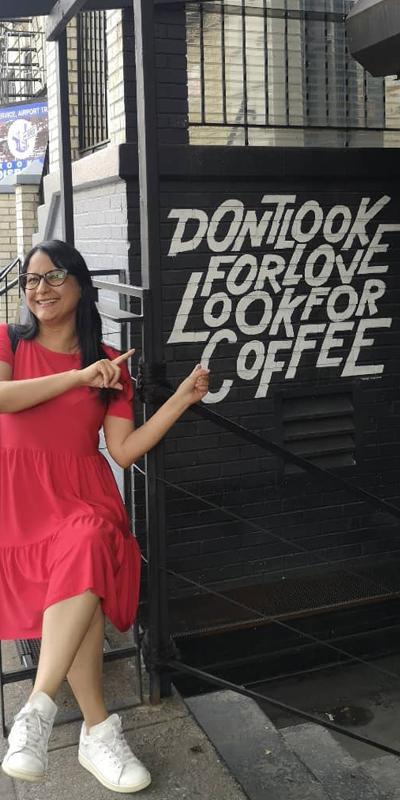
Aunque aquel reportaje despertó su curiosidad, fue recién en 2016 cuando decidió estudiar Barismo en Le Cordon Bleu. La idea inicial era sencilla: adquirir una herramienta más antes de emigrar del país. Nunca se fue. En cambio, descubrió que casi no existían espacios dedicados a comunicar el café peruano desde una mirada periodística. En 2017 creó Cafelab, un proyecto que imaginó como un verdadero laboratorio de ideas cafeteras. «Quería explorar a todos los actores del café: productores, baristas, tostadores, cafeterías. No solamente hablar de la bebida». Con el tiempo, Cafelab dejó de ser un pasatiempo para convertirse en una plataforma de contenidos, consultorías y comunicación para cooperativas y organizaciones vinculadas al café. Pero su relación con el café no quedó únicamente en el periodismo: abrió una cafetería junto a otros socios y durante más de un año trabajó como barista. La experiencia le confirmó que preparar una buena taza es apenas una parte del negocio; la operación, la logística, el servicio y la administración son tan importantes como el café mismo.
Hoy, cuanto más ha crecido el café de especialidad en el Perú, más siente la necesidad de volver al punto donde comenzó su interés: las personas. Después de investigar para Ojo Público el avance de la minería ilegal en Cajamarca, empezó a preguntarse cuál será el futuro de muchas zonas cafetaleras si las economías ilegales continúan expandiéndose. Ese es el proyecto que hoy más la entusiasma: conseguir fondos para investigar cómo el crimen organizado, la minería ilegal y otras amenazas afectan a las regiones productoras y qué impacto tendrán sobre el futuro del café peruano. «Ya no solamente me interesa hablar de lo rico que es el café o de las cafeterías bonitas. Me interesa entender qué está pasando detrás». De alguna manera, es volver al origen: a aquella primera historia que descubrió hace más de una década y que le enseñó que una taza de café también puede hablar de igualdad, territorio, desarrollo y futuro. Porque para Norka Peralta el café nunca ha sido solamente una bebida; ha sido, desde el principio, una forma de contar el Perú.
Words by Daniel Quintero (IG @danielquintero)
Norka Peralta’s journey into coffee began with a story. In 2011, while working as a journalist at El Comercio, she was assigned a feature on Café Femenino, an initiative that led her to meet a group of women coffee producers in northern Peru. Through fair trade, these women were transforming not only the quality of their coffee but also the lives of their families. That reporting trip permanently changed the way she understood the beverage. «That was when I realized that behind a great cup of coffee there could be stories of women’s empowerment, fair trade, and social impact,» she recalls.
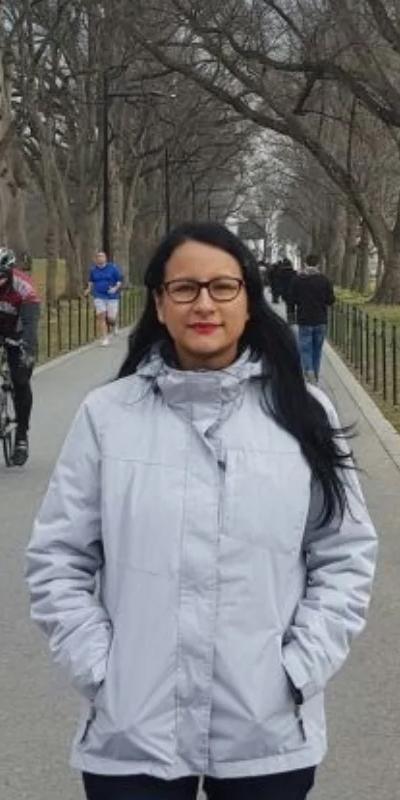
Born and raised in Lima, Norka grew up in a household where coffee was always present. Her father spent his entire career at Nestlé, making instant coffee a staple of the family’s daily routine. She even started drinking it as a child because she was lactose intolerant, and a few drops of coffee helped make milk easier to tolerate. Rather than distancing herself from those memories, she embraces them. «I’m never going to speak badly about that coffee. It supported my family throughout our lives.» Later, while studying Journalism at the Universidad San Martín de Porres and taking her first steps as a reporter at El Comercio, coffee still meant the traditional brewed cup served in the cafés along Jirón Carabaya, the gathering place for generations of Lima journalists. Specialty coffee had yet to emerge and reshape Peru’s coffee landscape.
Although that assignment sparked her curiosity, it wasn’t until 2016 that she decided to study Barista Skills at Le Cordon Bleu. Her original plan was simple: to acquire another professional skill before emigrating. She never left. Instead, she realized there were very few spaces dedicated to telling the story of Peruvian coffee through a journalistic lens. In 2017, she founded Cafelab, a project she envisioned as a true laboratory for coffee ideas. «I wanted to explore every part of the coffee ecosystem: producers, baristas, roasters, cafés. Not just talk about the beverage.» Over time, Cafelab evolved from a passion project into a platform for content creation, consulting, and communications for coffee cooperatives and organizations. But her relationship with coffee extended far beyond journalism. Together with business partners, she opened a café and worked as a barista for more than a year. The experience reinforced an important lesson: brewing an excellent cup is only one part of the business. Operations, logistics, customer service, and management are just as essential as the coffee itself.
Today, as Peru’s specialty coffee industry continues to grow, Peralta feels an even stronger need to return to the place where her fascination first began: the people behind the coffee. After investigating the expansion of illegal mining in Cajamarca for Ojo Público, she began asking herself what the future holds for many coffee-growing regions if illegal economies continue to spread. That question has become the project she is most passionate about today: securing funding to investigate how organized crime, illegal mining, and other threats are affecting coffee-producing regions—and what those forces could mean for the future of Peruvian coffee. «I’m no longer interested only in talking about how delicious coffee is or showcasing beautiful cafés. I want to understand what’s happening behind the scenes.» In many ways, it is a return to where it all began: that first reporting assignment more than a decade ago, which taught her that a cup of coffee can also tell stories of equality, territory, development, and hope for the future. For Norka Peralta, coffee has never been just a beverage. From the very beginning, it has been a way of telling Peru’s story.
La periodista diseña experiencias que miran la gastronomía como un canal para la transmisión cultural de países de Latinoamérica y del mundo.
Leer más
En el corazón de São Paulo, una ciudad activa y bulliciosa, se esconde este palacio, un refugio natural de paz y comfort.
Leer más
El gastrónomo panameño comparte sus lugares favoritos para comer en Ciudad de Panamá.
Leer más




Cada semana recibirás diversos artículos interesantes sobre gastronomía.
 Regresar


