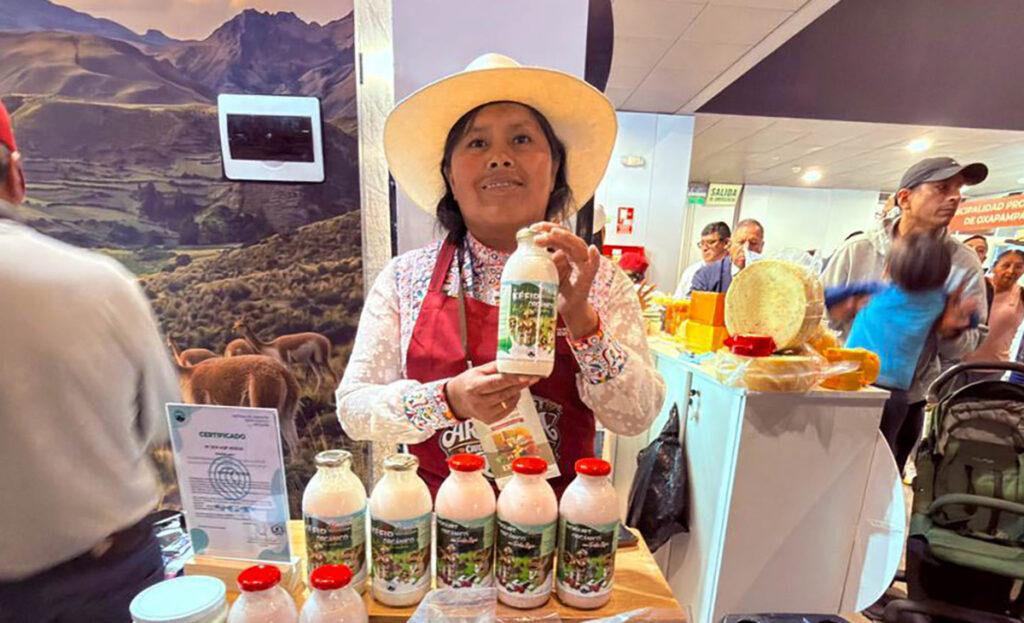
YSABEL PUMA YUCRA: CRECER ENTRE CABRAS Y SANAR CON ELLAS
Tiene 42 años, produce quesos orgánicos certificados y con su ejemplo le enseña a sus hijos que desde el campo también se hace empresa.


Tiene 42 años, produce quesos orgánicos certificados y con su ejemplo le enseña a sus hijos que desde el campo también se hace empresa.
Escribe Daniel Quintero (IG @danielquintero)
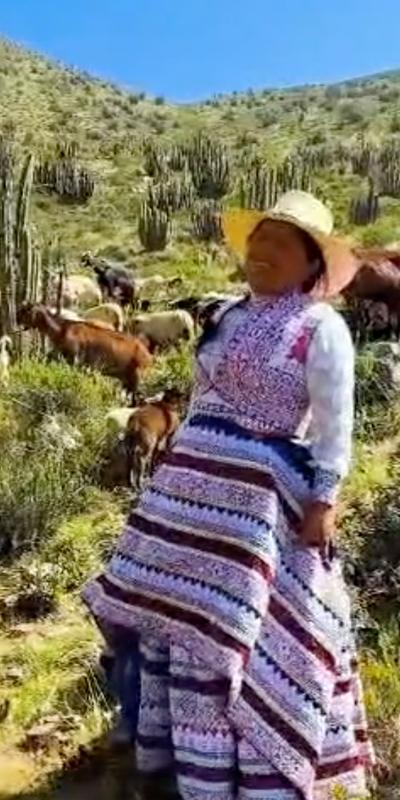
Ysabel Puma Yucra nació y creció en Huambo, un caserío en el valle del Colca donde las cabras eran parte del paisaje de siempre. De niña ya caminaba detrás del rebaño y creció recorriendo las calles de Arequipa vendiendo leche. Lo que entonces era simplemente la vida, el monte, los animales, la leche cruda, con los años se convirtió en algo más consciente: una forma de sanar, de producir y de sostener a una familia.
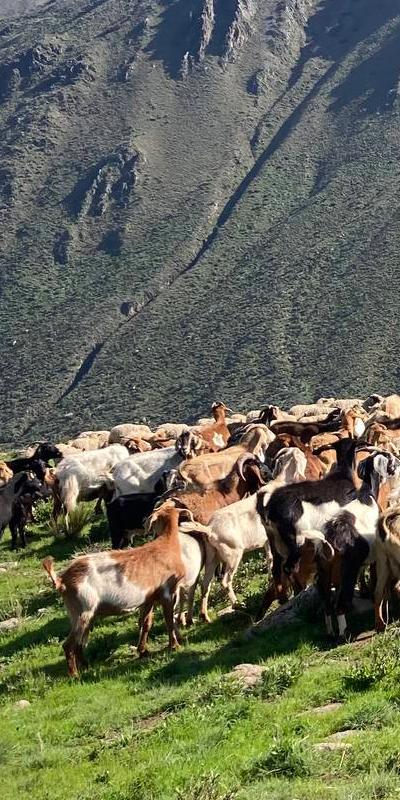
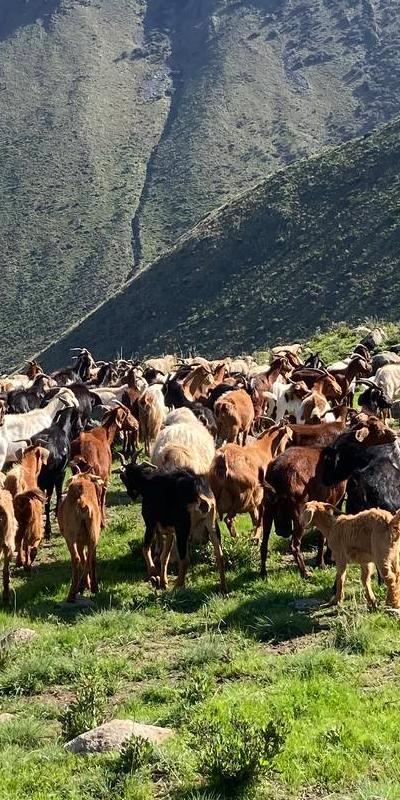
Las cabras que hoy Ysabel maneja, casi 600 hembras, son herencia de sus abuelos; nadie las trajo de afuera, nadie las mejoró genéticamente ni las metió en un programa de desarrollo. Son cabras nativas que viven en el monte, seleccionan su propia comida y producen una leche que, según Isabel, sale tan densa que el yogur queda como griego, algo que pasa cuando un animal vive como debe vivir.
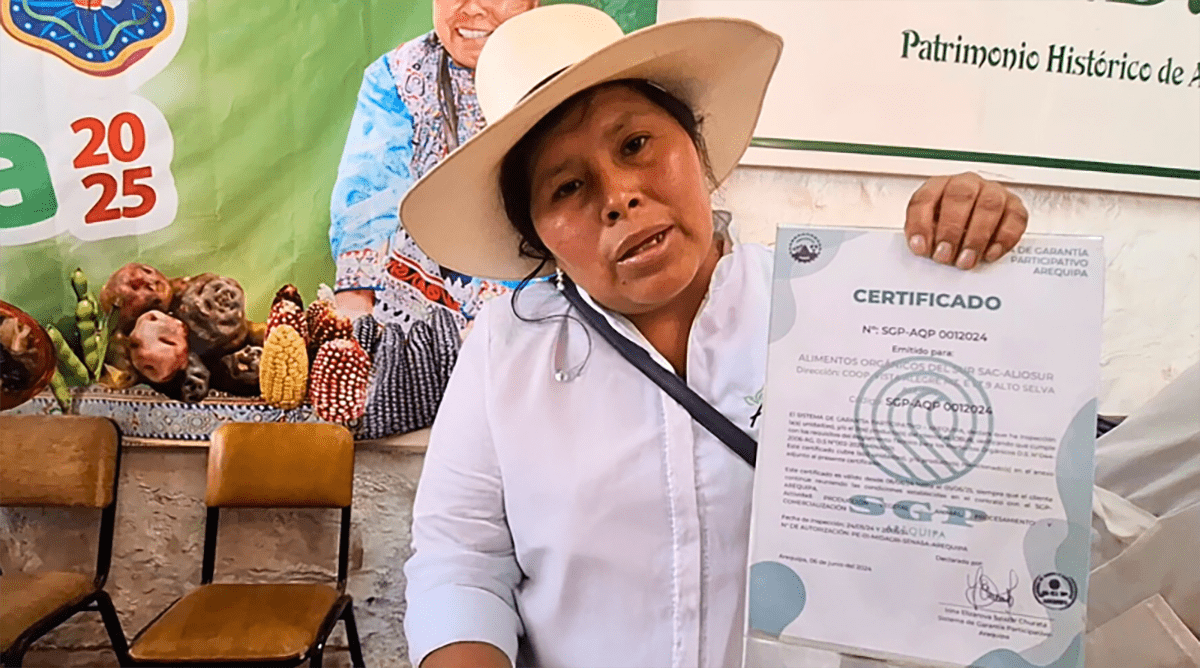
Los cambios en su vida llegaron con su hijo Elmer. Asmático desde pequeño, pero además no toleraba la leche de vaca. Un médico le dijo lo que Ysabel ya intuía desde la infancia, cuando su mamá les daba leche de cabra cruda cada vez que alguien en la casa se enfermaba: la leche de cabra no tiene la proteína inflamatoria de la vaca (caseína tipo A1) . Desde ese diagnóstico, Ysabel no solo cambió la dieta de su hijo, sino que empezó a mirar con otros ojos todo lo que comían. Informándose sobre los fertilizantes y los pesticidas, porque hay alimentos que parecen naturales pero están bañados en estos químicos. Hoy su producción de queso tiene certificación orgánica, como resultado de una convicción que lleva décadas construyéndose.
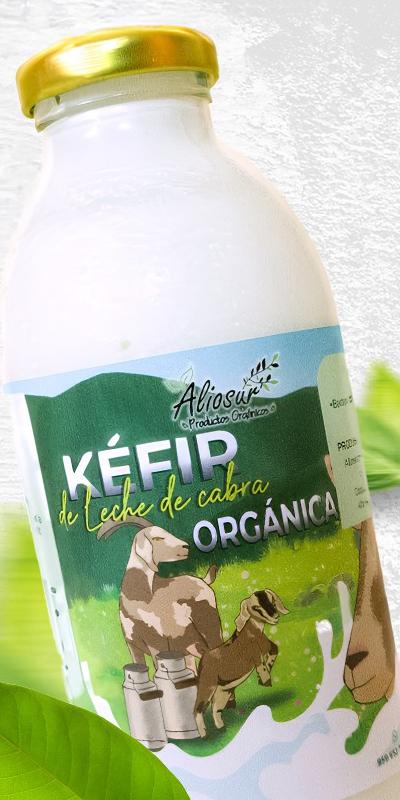
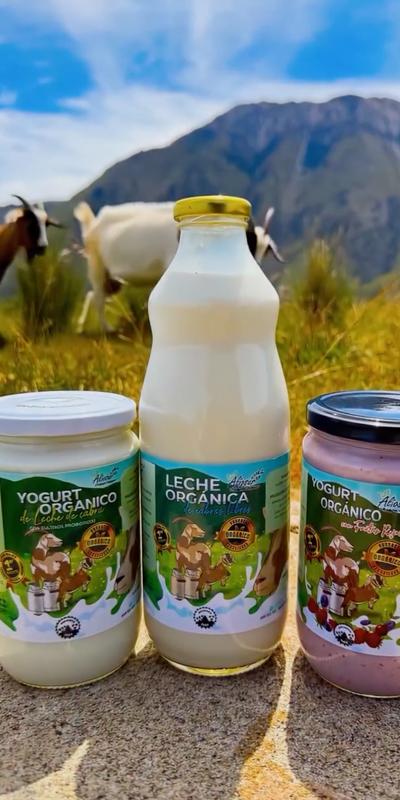
Con 100 litros de leche al día, Ysabel produce queso fresco, requesón, yogur, yogur frutado y kéfir. Está por lanzar quesos madurados. En su casa, nada se desperdicia: el suero que sobra del queso se convierte en requesón. Los machos que nacen y no se necesitan para reproducción se crían hasta un punto y luego se sacrifican como cabrito, una carne rica en colágeno, dice ella, y buenísima.
Hay algo en Isabel que aparece sin que ella lo nombre directamente: la perseverancia de quien aprendió a sobrevivir. «He vivido en la pobreza, en lo difícil, la vida me ha puesto muchas pruebas muy difíciles», dice sin drama, sino como la realidad del campo. A los 42 años habla de eso como de un terreno que ya conoce bien y que dejó de asustarle. Lo que sí le importa ahora es lo que viene después de ella.
Tiene tres hijos varones. Elmer, del que hablamos, tiene 21 años. Los otros dos estudian en la universidad, carreras que no tienen nada que ver con las cabras pero que tampoco les impide apoyar en la administración del negocio. Isabel no les exige que se queden. «No es mi intención», dice cuando le preguntan si quiere que hereden el proyecto. Lo que sí quiere es que hayan aprendido a hacer empresa, a sostener algo, a entender que el campo puede ser también un lugar desde donde se construye.
Ysabel no está en el mundo de los lácteos de cabra por moda, ni por el auge de lo artesanal. Llegó por necesidad y se quedó por convicción. Hoy produce con su marca Aliosur, desde uno de los valles más remotos del sur del Perú, un producto de calidad mundial y con historia. Una historia que empezó mucho antes que ella, con sus abuelos y sus cabras en el monte, y que ella decidió que no iba a terminar.
Written by Daniel Quintero (IG @danielquintero)
Ysabel Puma Yucra was born and raised in Huambo, a hamlet in the Colca Valley where goats had always been part of the landscape. As a child, she already walked behind the herd and grew up roaming the streets of Arequipa, selling milk. What was then simply life—the hills, the animals, the raw milk—became something more conscious over the years: a way to heal, to produce, and to support a family.
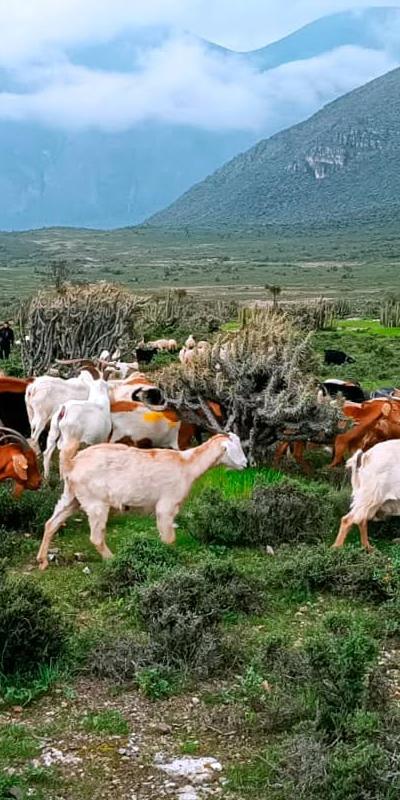
The goats Ysabel manages today, nearly 600 females, are an inheritance from her grandparents; no one brought them from elsewhere, no one genetically improved them or placed them in a development program. They are native goats that live in the hills, select their own food, and produce milk that, according to Ysabel, is so dense that the yogurt turns out like Greek yogurt, something that happens when an animal lives the way it is meant to live.
The changes in her life came with her son, Elmer. Asthmatic from an early age, he also could not tolerate cow’s milk. A doctor told her something Ysabel had already sensed since childhood, when her mother gave them raw goat’s milk whenever someone in the household got sick: goat’s milk does not contain the inflammatory protein found in cow’s milk (A1 casein). From that diagnosis onward, Ysabel not only changed her son’s diet but also began looking at everything they ate through a different lens. She educated herself about fertilizers and pesticides because some foods that seem natural are coated with these chemicals. Today, her cheese production is organically certified, the result of a conviction that has been taking shape for decades.
With 100 liters of milk per day, Isabel produces fresh cheese, ricotta, yogurt, fruit yogurt, and kefir. She is about to launch aged cheeses. In her home, nothing goes to waste: the whey left over from cheese production is turned into ricotta. The male goats that are born and are not needed for breeding are raised to a certain point and then slaughtered as young goats, a meat rich in collagen, she says, and absolutely delicious.
There is something about Isabel that emerges even without her naming it directly: the perseverance of someone who learned how to survive. “I have lived in poverty, through difficult times; life has put many very hard tests in my path,” she says, not dramatically, but as a reality of rural life. At 42, she speaks of it as terrain she already knows well and no longer frightens her. What matters to her now is what comes after her.
She has three sons. Elmer, whom we have been talking about, is 21 years old. The other two are studying at university, pursuing careers that have nothing to do with goats, yet they still help with the business administration. Isabel does not demand that they stay. “That’s not my intention,” she says when asked whether she wants them to inherit the project. What she does want is for them to have learned how to build a business, how to sustain something, and to understand that the countryside can also be a place from which things are created and built.
Ysabel is not in the goat dairy business because it is fashionable, nor because of the boom in artisanal products. She arrived there out of necessity and stayed out of conviction. Today, under her brand Aliosur, she produces a product of world-class quality from one of the most remote valleys in southern Peru, with a story behind it. A story that began long before her, with her grandparents and their goats in the hills, and one that she decided would not come to an end.
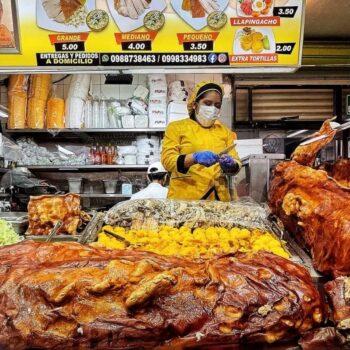
Quito tiene un montón de lugares para disfrutar y el chef de Nuema nos recomienda sitios diferentes al tradicional circuito de restaurantes.
Leer más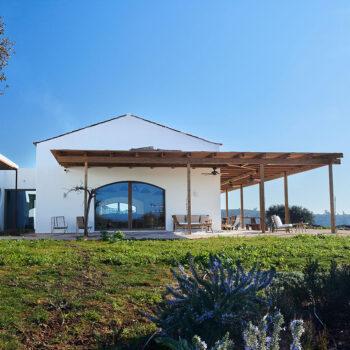
El chef José Avillez y su esposa, Sofia Ulrich, construyeron junto al lago Alqueva, al sureste de Portugal, un refugio para el alma. Cultura, cocina y naturaleza nos envuelven en Casa Nossa.
Leer más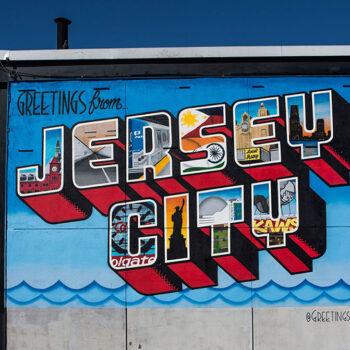
Desde panaderías, pastelerías, comida criolla, chifa y pollo a la brasa, los sabores del Perú llenan las calles del Garden State.
Leer más





Cada semana recibirás diversos artículos interesantes sobre gastronomía.
 Regresar


