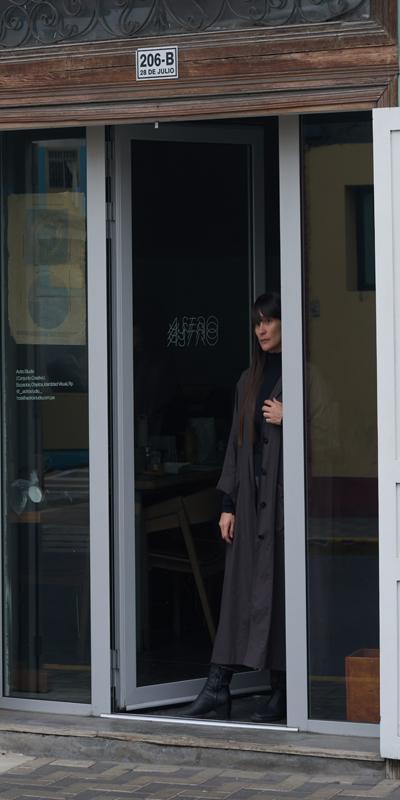
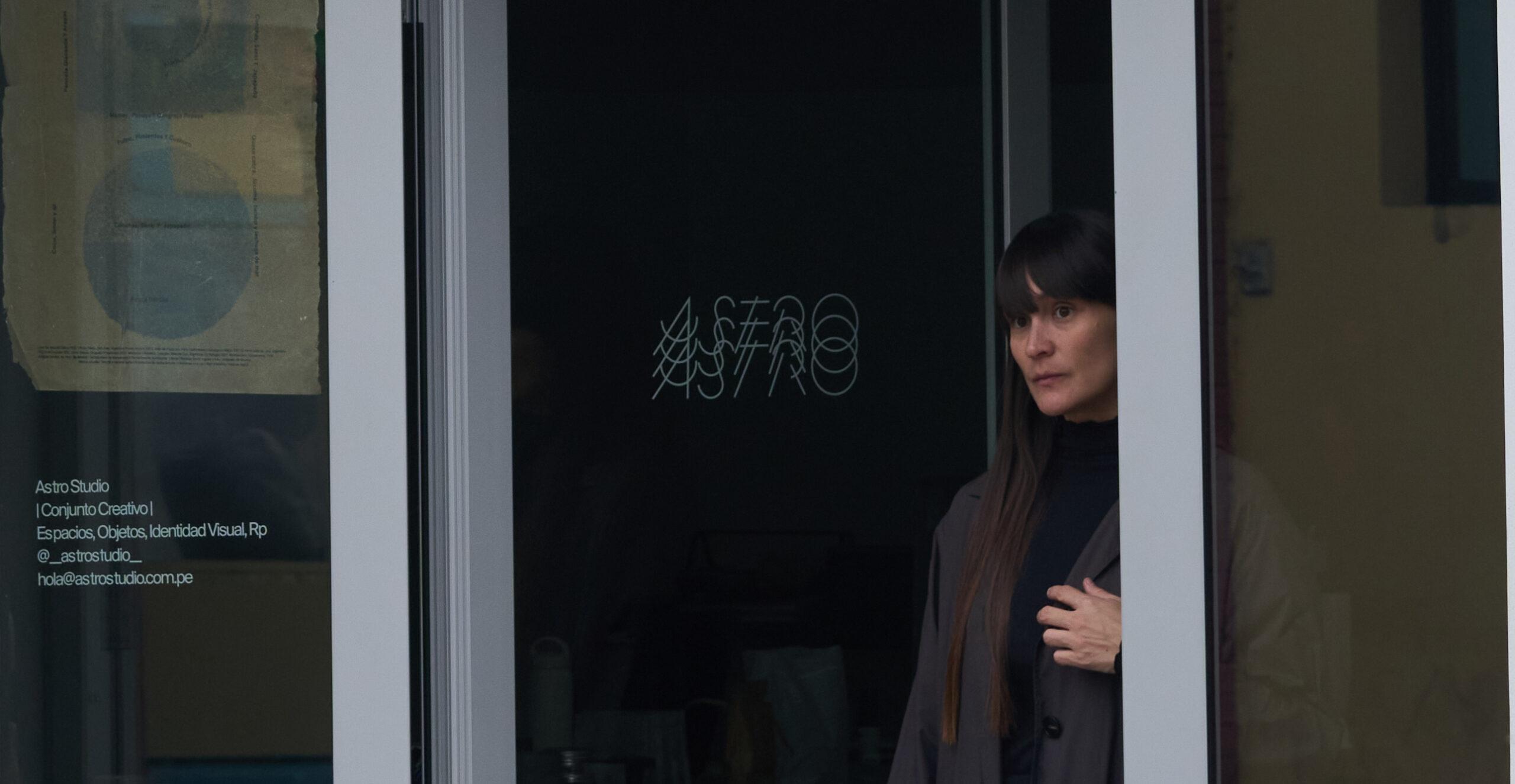
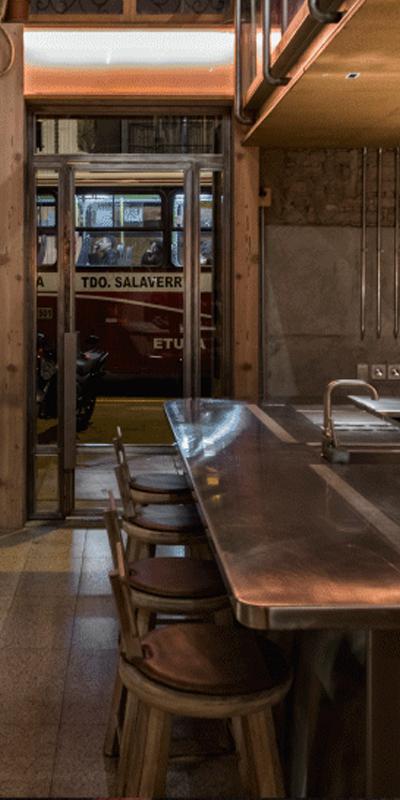
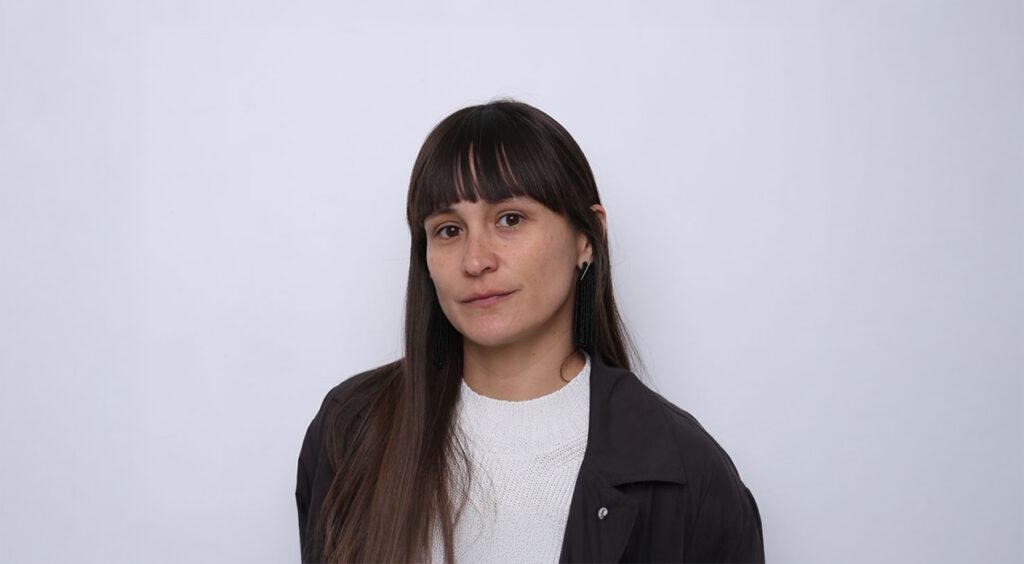
Desde Astro, su estudio, crea ese escenario para que el arte de la cocina brille en espacios como Clon, que acaba de ganar el Rayo Bronce en la categoría de rebranding en los Latin American Design Awards 2026.
Michelle creció entre Lima y Pucallpa. Cada octubre, para el cumpleaños de su abuelo, visitaba y corría entre troncos de madera, conectando con la naturaleza. En Lima, tiene recuerdos desde muy pequeña de correr por los talleres de carpintería de su padre, perdida entre las máquinas que fabricaban objetos.
Al salir del colegio, sabía que quería hacer algo relacionado con el arte y el diseño. Pasó por Artes en la PUCP y por Arquitectura en la UPC antes de entrar a trabajar en una textilera limeña. Ahí, junto a un ingeniero de desarrollo textil, descubrió cuánto le gustaba trabajar con quien fabrica lo que uno diseña. A los 19 años, viajó por primera vez a Europa y estudió moda y textiles en Barcelona. De vuelta en Lima, trabajó diseñando ropa de hombre, tomó cursos de cuero y así, por el lado de los accesorios, un día llegó a los restaurantes.
A Michelle Sikic empezaron a llamarla del grupo Aramburú para que hiciera cartas y portacuentas de cuero para sus restaurantes. Un día, Eduardo Aramburú la llamó por algo mucho más grande. Quería que se hiciera cargo de Armónica, un proyecto de 500 m2 en el que tendría que coordinar a los arquitectos con el equipo que trabajaba en la identidad del restaurante y llevar todo eso a obra, con la duda de quien teme y el valor de enfrentar lo nuevo. “Me lancé al agua”, dice.
En Armónica aprendió sobre instalaciones de gas y de aire acondicionado. Le tocaba ver desde la cocina hacia afuera, aunque reconoce que también quería saber qué pasaba del otro lado. Después conoció a Juan Luis Martínez, quien también le pidió unas cartas para Mérito. El trabajo le gustó y enseguida le propuso trabajar en lo que sería (el primer) Demo, una extensión al costado del restaurante Mérito. Eran apenas 35 m2. Los arquitectos estaban en Nueva York: “yo soy sus ojos”, comenta. Así, Michelle se encargó en Lima de buscar los materiales, supervisar la fabricación y llevar adelante la obra. Cuando llegó el turno de diseñar el siguiente concepto (lo que se convertiría en Clon), ya tenía claro qué quería hacer y se atrevió a decir: “Ahora yo quiero ver el diseño”, le dijo.
De esa experiencia nació Astro, su estudio de diseño. Si quieren entender cómo mira Michelle un restaurante, fíjense en las sillas de Clon, eran las de Mérito. Ella y su equipo les quitaron el color, les rebajaron y les cambiaron los respaldos. “Me gusta ese detalle porque refleja el parentesco entre las dos cocinas desde el momento en que uno se sienta a la mesa”. Clon fue un proyecto que nació sin esperarlo, el espacio que originalmente habitaba sería Demo, hasta que, por cosas del destino, apareció el local de Domeyer, que hoy usa Demo, y este quedó sin concepto. Una marca que nació muy rápido eventualmente necesitó un cambio.
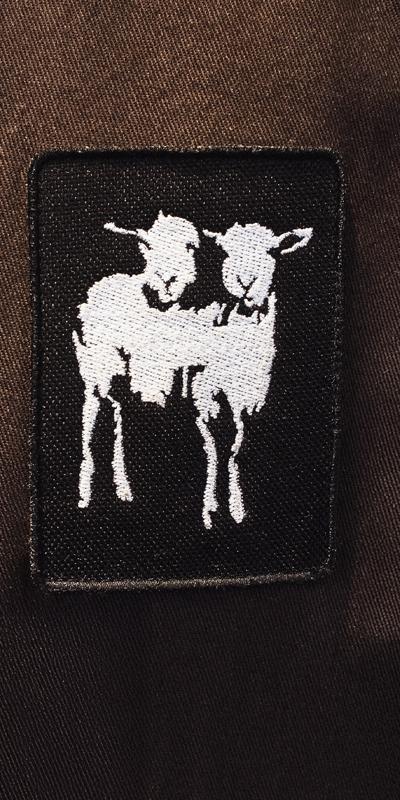
Para renovar la identidad de Clon, Michelle trabajó con Belén Valverde y Manuel Beltrán, de Atentamente. La oveja Dolly les dio una figura que podían replicar y transformar en cartas y uniformes. El trabajo de ambos estudios recibió en octubre de 2026 el Rayo Bronce en la categoría de rebranding en los Latin American Design Awards 2026. En la misma edición, también recibieron el bronce dos proyectos peruanos vinculados a la mesa: el empaque del Chocotón Elevaria, de Cristian Valverde, y el de Livora Pastry Studio, de Daniela Barrio de Mendoza.
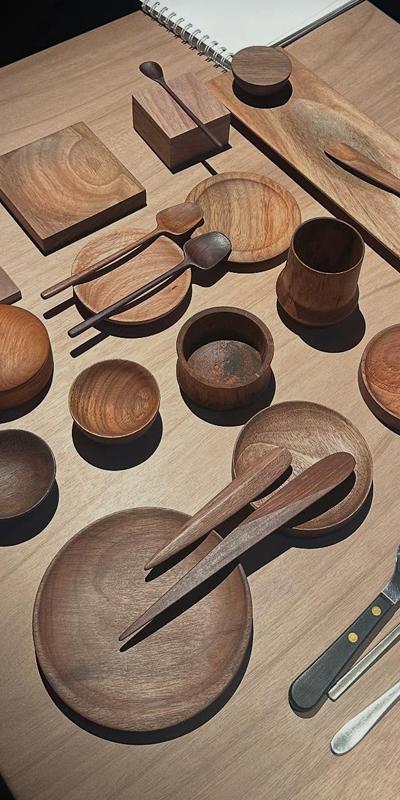
Cuando le preguntamos por el futuro, responde enseguida: “La verdad, no lo sé”, y lo dice, más que como con incertidumbre, con la paz de vivir el hoy. Cuenta que lo más cercano en el futuro es el espacio de Rito Tostadores que abre en unas semanas, ahí el reto fue entender que con los kilos de borra que quedan de las barras de caféterías, con la pulpa de la cerezas una vez procesadas y hasta con los restos de la poda quiere desarrollar materiales para sus espacios y, algún día, una colección de objetos que podamos llevar a casa. Hacer sus propios materiales, nos dice, es algo que la ilusiona desde chica: objetos con los que la gente pueda interactuar con la naturaleza en su día a día, como esa niña que corría entre chihuahuacos y cachimbos.
Michelle grew up between Lima and Pucallpa. Every October, she visited her grandfather for his birthday, running among logs and getting close to nature. Some of her earliest memories in Lima are of running through her father’s woodworking shops, getting lost among the machines that turned wood into objects.
After finishing school, she knew she wanted to do something with art and design. She studied art at PUCP and architecture at UPC before joining a textile company in Lima. There, working alongside a textile development engineer, she discovered how much she enjoyed working with the people who make what she designs. At 19, she traveled to Europe for the first time and studied fashion and textiles in Barcelona. Back in Lima, she designed menswear and took courses in leatherwork. It was through accessories that she eventually found her way into restaurants.
The Aramburú group began commissioning Michelle Sikic to make leather menus and check presenters for its restaurants. Then one day, Eduardo Aramburú called with something much bigger. He wanted her to take charge of Armónica, a 500-square-meter project that required her to coordinate the architects and the team developing the restaurant’s identity, then see the work through construction. She had her doubts, but she took the plunge. “I just jumped in,” she says.
At Armónica, she learned about gas lines and air-conditioning systems. Her remit ran from the kitchen outward, though as she told me about it, she admitted she was curious about what happened on the other side of the kitchen door, too. She later met Juan Luis Martínez, who also asked her to make menus, this time for Mérito. He liked her work and soon invited her to help build the first Demo, a 35-square-meter extension next door to Mérito. The architects were in New York. “I’m their eyes,” she says. In Lima, Michelle sourced the materials, supervised fabrication, and oversaw construction. When it came time to develop the next concept, which would become Clon, she knew what she wanted. “This time, I want to take on the design,” she told him.
That experience led her to found Astro, her design studio. To see how Michelle looks at a restaurant, take a look at the chairs at Clon. They used to be at Mérito. She and her team stripped off the old finish, shaved them down, and replaced the backs. “I like that detail because you can feel the kinship between the two kitchens from the moment you sit down.” Clon came about unexpectedly. The space had originally been slated for Demo, but then the location on Domeyer came up. Demo moved there, leaving the original space without a concept. Clon’s identity came together quickly and, in time, needed a rethink.
To refresh Clon’s identity, Michelle worked with Belén Valverde and Manuel Beltrán of Atentamente. Dolly the sheep gave them a figure they could replicate and adapt across menus and uniforms. In October 2026, the two studios’ work earned a Bronze Rayo in the rebranding category at the Latin American Design Awards. Two other Peruvian projects connected to the table also took bronze that year. Cristian Valverde was recognized for his packaging for Chocotón Elevaria, and Daniela Barrio de Mendoza for hers for Livora Pastry Studio.
When we ask Michelle what comes next, she answers right away. “Honestly, I don’t know.” She says it with the calm of someone content to live in the present. The next opening on her calendar is Rito Tostadores, due in a few weeks. Working on the space got her thinking about what she could make from the kilos of spent coffee grounds left behind at café counters, the pulp left over after coffee cherries are processed, and even the trimmings from pruning. She wants to turn those leftovers into materials for her spaces and, someday, into a collection of objects people can take home. Making her own materials, she tells us, has excited her since childhood. She wants to make objects that let people interact with nature in their everyday lives, the way she did as a girl running among chihuahuaco and cachimbo trees.
Etiquetas: biomateriales, clon, como contigo, demo, diseño, gastronomía, la higuera, lima, mérito, mujeres, objetos, rito tostadores,
COMPARTE:
TAMBIÉN PUEDES LEER
¿DÓNDE COME RENZO GARIBALDI EN LA MOLINA?
Dom 31 de mayo de 2026
Recorremos el distrito con Renzo Garibaldi, fundador de Osso, quien conoce bien sus mesas, sus rutinas y sus antojos.


 Regresar