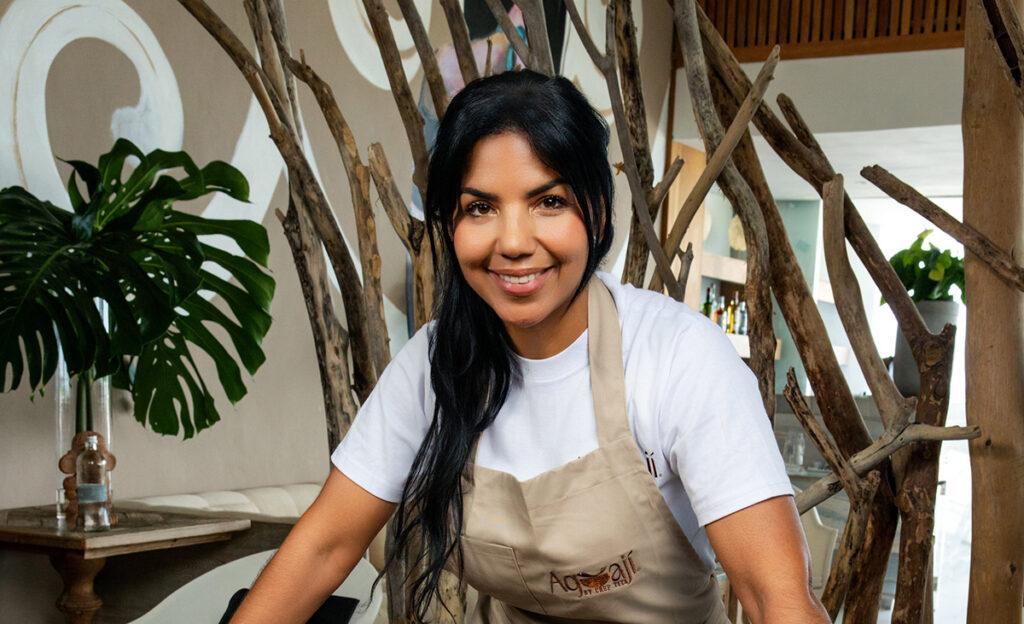
TITA PÁEZ NIN: LA NUEVA COCINA DOMINICANA
Desde su camerino, antes de grabar el primer episodio de la temporada 5 de Top Chef VIP, conversamos con la chef dominicana que quiere cambiar el futuro de su país.


Desde su camerino, antes de grabar el primer episodio de la temporada 5 de Top Chef VIP, conversamos con la chef dominicana que quiere cambiar el futuro de su país.
Escribe Daniel Quintero (IG @danielquintero)
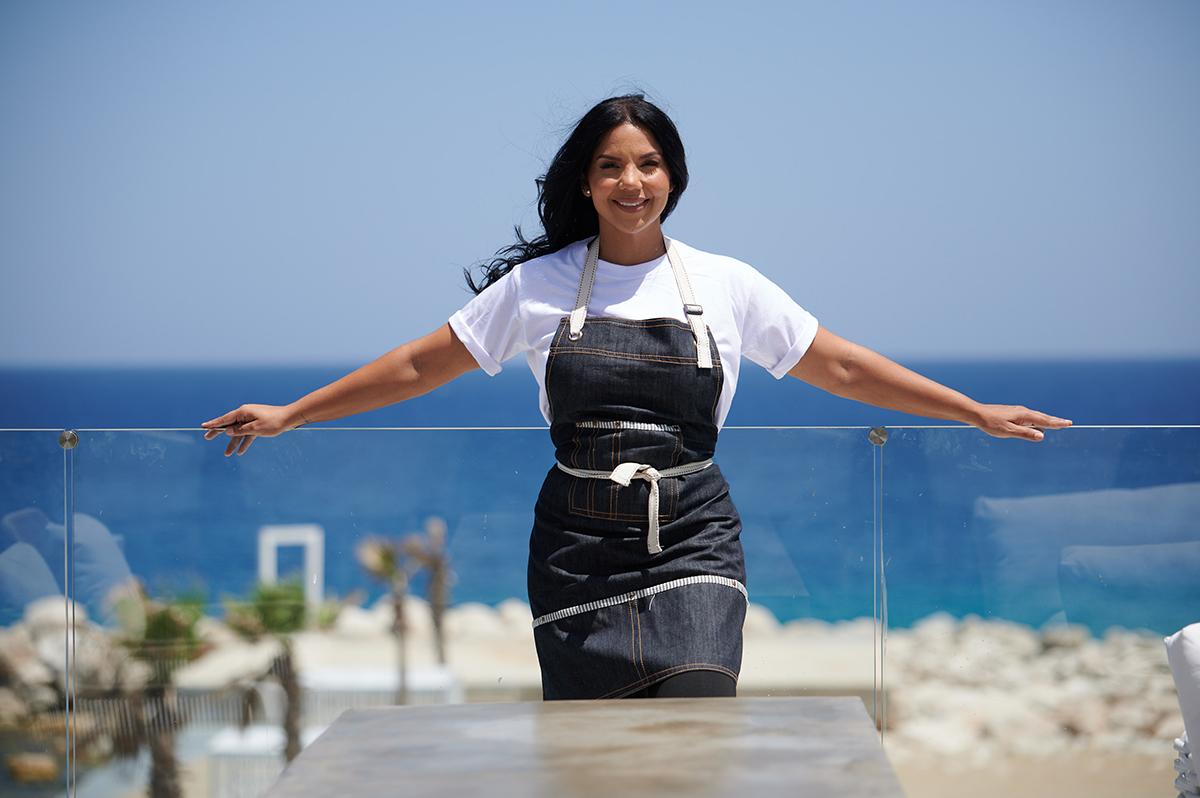
Creció en un tráiler en Cabo Rojo, al sur de República Dominicana. Desde muy pequeña, la comida estuvo presente en cada recuerdo importante de su vida. Inés Páez Nin (Inecita, de donde viene el apócope de Tita) es una de cuatro hermanos que crecieron con un padre minero y pescador y una madre repostera. Las celebraciones familiares, las reuniones y hasta las aventuras de infancia giraban alrededor de la cocina y los productos del entorno.
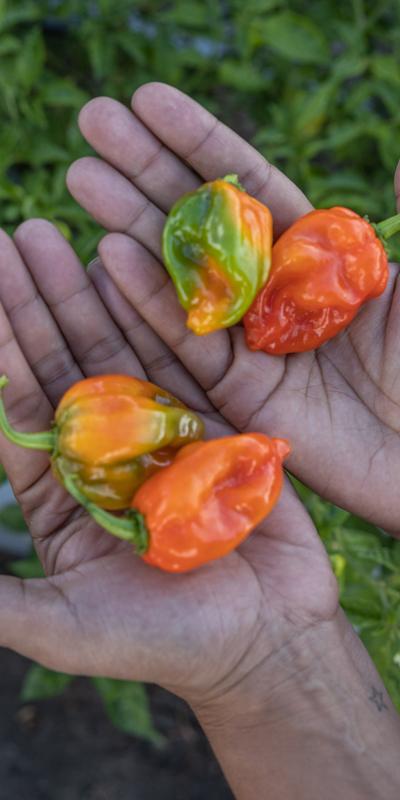
“Recuerdo cuando llovía en la costa y salíamos a atrapar cangrejos que luego comíamos con cuchara”, comenta. Aquellas experiencias tempranas marcaron una relación profunda con el territorio, una conexión que décadas después se convertiría en el eje de su trabajo. Inés Páez Nin, Tita, comenzó a cocinar profesionalmente a los 17 años, mientras estudiaba Hotelería y Turismo, con énfasis en alimentos y bebidas. La cocina que se enseñaba era principalmente internacional, pero un libro cambió su manera de entender la gastronomía de su país: Itinerario histórico de la gastronomía de la República Dominicana, de Hugo Tolentino Dipp y Marcio Veloz Maggiolo. Entre sus páginas descubrió que la cocina dominicana era mucho más que mangú y sancocho. Encontró una historia construida a partir de raíces taínas, el encuentro de los dos mundos de 1492, las influencias africanas, migraciones europeas y del Medio Oriente, tradiciones campesinas y expresiones culturales como el merengue o la bachata y hasta el béisbol, todo suma.
Comprendió que la gastronomía era una herramienta para contar la historia de una nación. Desde entonces ha dedicado su carrera a rescatar, reinterpretar y proyectar ese patrimonio. Se convirtió en la principal impulsora de lo que hoy se conoce como la “Nueva Cocina Dominicana”, un movimiento que busca revalorizar los ingredientes locales, las recetas tradicionales y el trabajo de los productores rurales, llevándolos a escenarios contemporáneos sin perder la esencia.
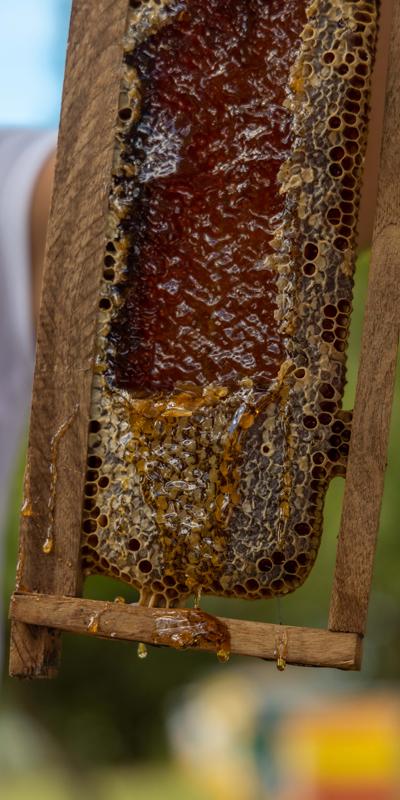
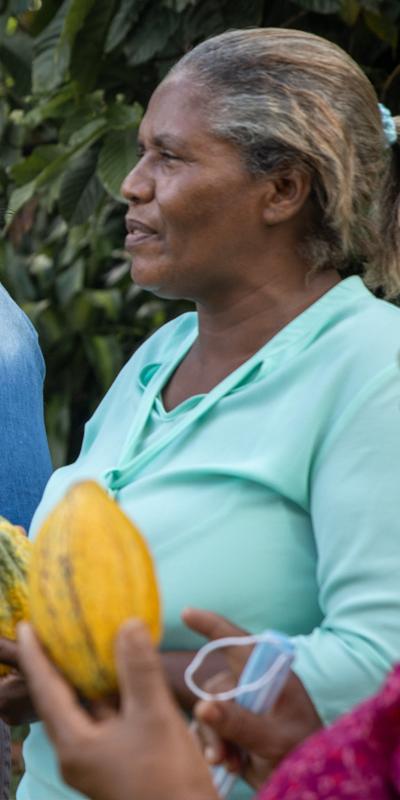
Pero su compromiso va mucho más allá de los restaurantes. Creó la fundación IMA (alimento, en lengua taína-arawak), organización que utiliza la gastronomía como una herramienta de transformación social, impulsa proyectos de desarrollo rural, capacitación, soberanía alimentaria y promoción de productos locales. También ha trabajado para conectar a pequeños productores con actores clave de la cadena alimentaria, permitiendo que muchos de sus productos lleguen a la principal cadenas de supermercados de República Dominicana. Además, fue una de las impulsoras de la Ley que declara la gastronomía dominicana Patrimonio Cultural Inmaterial de la Nación y establece el Día Nacional de la Gastronomía Dominicana. También participó en la creación del programa de Diplomacia Gastronómica, para proyectar la cocina dominicana desde las embajadas del país en el mundo.
Y con ello su trabajo ha sido reconocido: Forbes la incluyó entre las mujeres más influyentes del Caribe y Centroamérica; recibió la Medalla al Mérito de la Mujer Dominicana y ha representado a su país en cumbres como Madrid Fusión, en 2022, donde conoció a Virgilio Martínez quien le la inspiró a seguir su camino. En octubre de 2025 ganó el Champions of Change Award de Latin America’s 50 Best Restaurants, premio que destacó la labor desarrollada por su fundación, un reconocimiento también para los agricultores, productores y familias que mantienen vivas las tradiciones gastronómicas de la isla.
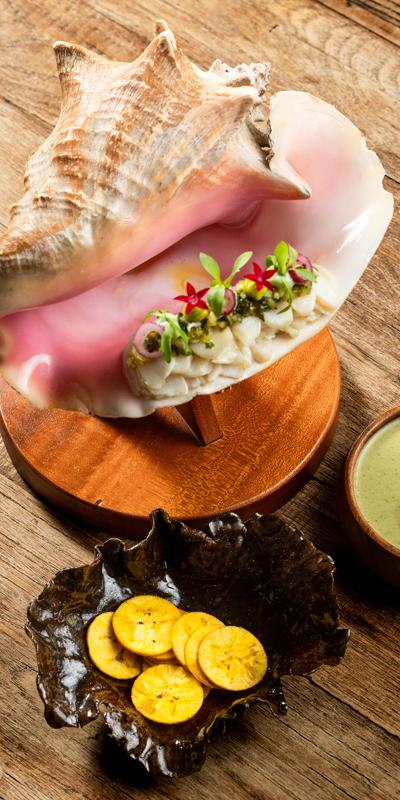
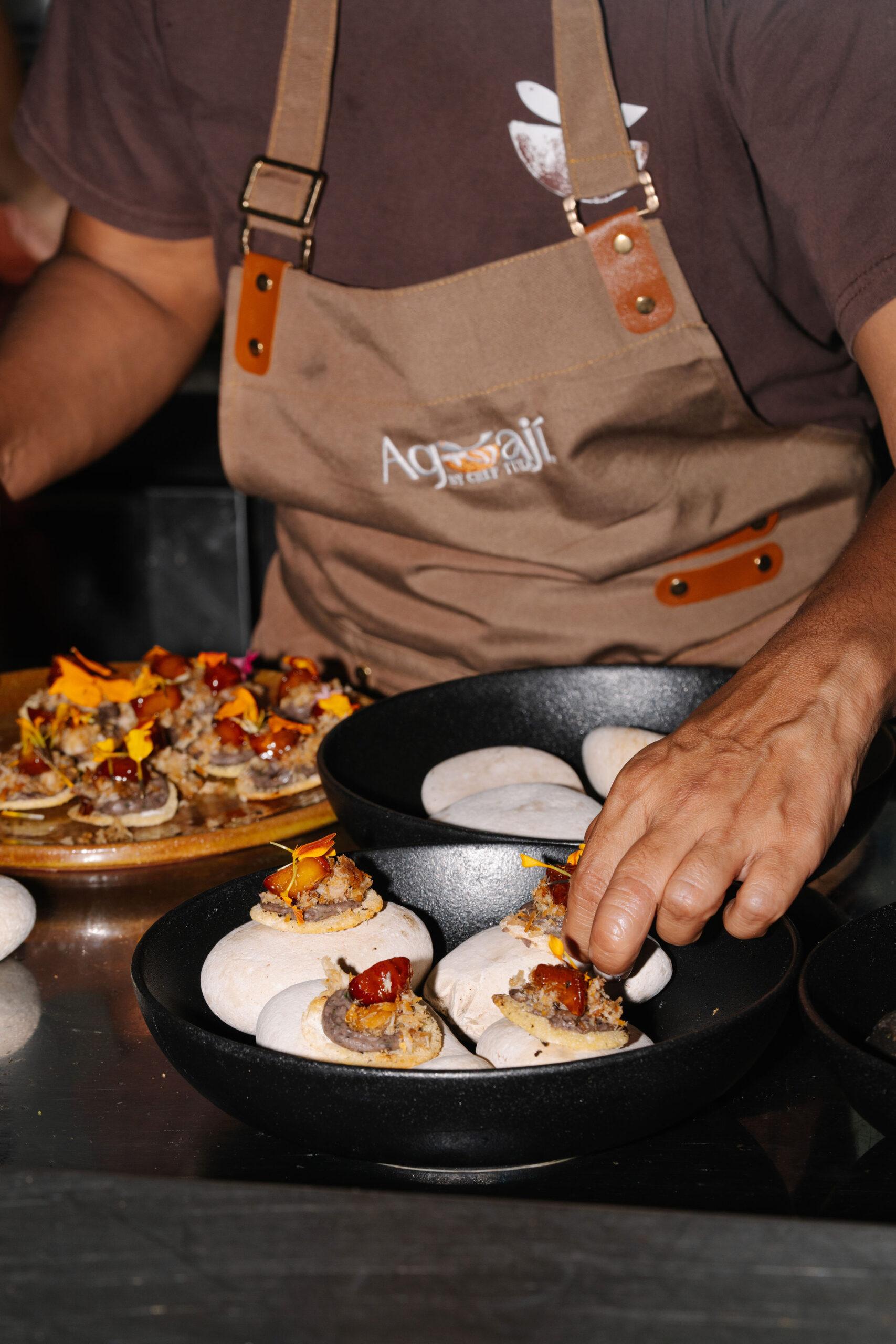
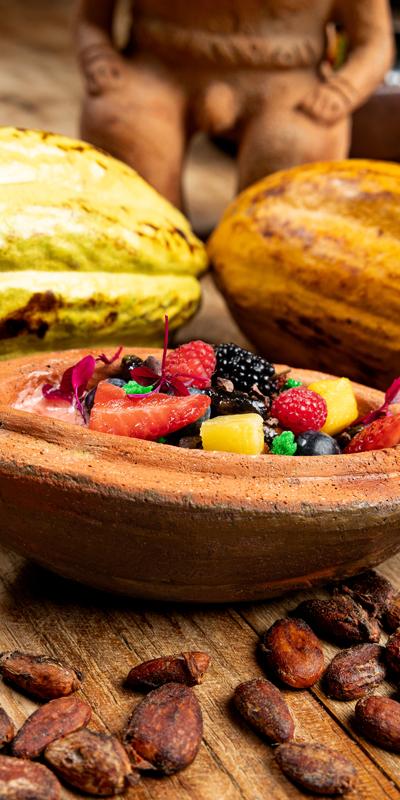
Chef Tita lidera el restaurante Aguají, en Puerto Plata (puesto 88 de Latin America’s 50 Best Restaurants 2025), donde presenta una propuesta que incorpora productos como la manzana de oro, el jobo y el lerén dentro de una narrativa contemporánea. Sueña con una gastronomía dominicana tan poderosa como la industria turística que ha dado fama internacional a la isla; con una cocina capaz de mejorar la calidad de vida de los productores, preservar conocimientos ancestrales y convertirse en una herramienta de desarrollo para las futuras generaciones. Aquella niña que corría bajo la lluvia para atrapar cangrejos en Cabo Rojo sigue presente, solo que ahora utiliza la cocina para transformar realidades y construir identidad.
Words by Daniel Quintero (IG @danielquintero)
She grew up in a trailer in Cabo Rojo, in the south of the Dominican Republic. From a very young age, food was present in every important memory of her life. Inés Páez Nin—“Inecita,” from which the shortened name Tita comes—is one of four siblings who grew up with a miner and fisherman father and a pastry chef mother. Family celebrations, gatherings and even childhood adventures revolved around the kitchen and the products of their surroundings.
“I remember when it rained on the coast and we would go out to catch crabs, which we later ate with a spoon,” she says. Those early experiences shaped a profound relationship with the land, a connection that, decades later, would become the central focus of her work. Inés Páez Nin, Tita, began cooking professionally at the age of 17. At the time, culinary degree programs as we know them today did not exist, so she chose to study hotel management and tourism, with an emphasis on food and beverages. The cuisine being taught was mainly international, but one book forever changed the way she understood her country’s gastronomy: Itinerario histórico de la gastronomía de la República Dominicana, by Hugo Tolentino Dipp and Marcio Veloz Maggiolo. In its pages, she discovered that Dominican cuisine was much more than mangú and sancocho. She found a history built from Taíno roots, the encounter of two worlds in 1492, African influences, European and Middle Eastern migrations, rural traditions and cultural expressions such as merengue and bachata, and even baseball. Everything contributes.
She understood that gastronomy was a tool for telling the story of a nation. Since then, she has dedicated her career to recovering, reinterpreting and projecting that heritage. Over time, she became the main driving force behind what is now known as “New Dominican Cuisine,” a movement that seeks to revalue local ingredients, traditional recipes and the work of rural producers, bringing them into contemporary settings without losing their essence.
Her commitment extends far beyond restaurants. She created the IMA Foundation, whose name means “food” in the Taíno-Arawak language of the Indigenous peoples. Through this organization, she uses gastronomy as a tool for social transformation, promoting rural development, training, food sovereignty and the promotion of local products. She has also worked to connect small producers with key players in the food supply chain, allowing many of their products to reach the Dominican Republic’s main supermarket chains. She was one of the advocates behind the law that declares Dominican gastronomy an Intangible Cultural Heritage of the Nation and establishes National Dominican Gastronomy Day. She also participated in the creation of the Gastronomic Diplomacy program, which now promotes Dominican cuisine through the country’s embassies around the world.
Her work has been recognized: Forbes included her among the most influential women in the Caribbean and Central America; she received the Dominican Women’s Medal of Merit; and she has represented her country at some of the world’s most important gastronomic gatherings, from Madrid Fusión in 2022—where she met Virgilio Martínez, who inspired her to continue along her path. In October 2025, she received one of the most significant recognitions of her career when she became the first recipient of the Champions of Change Award from Latin America’s 50 Best Restaurants. The award highlighted the work carried out through her foundation. For her, the recognition was also a tribute to the farmers, producers and families who keep the island’s culinary traditions alive.
She currently leads Aguají, a restaurant located in Puerto Plata that entered Latin America’s 50 Best Restaurants 2025 at No. 88. From there, she presents a proposal connected to the Dominican territory and its ingredients, incorporating products such as golden apple, hog plum and leren into a contemporary narrative. She dreams of a Dominican gastronomy as powerful as the tourism industry that has brought international fame to the island; a cuisine capable of improving producers’ quality of life, preserving ancestral knowledge and becoming a development tool for future generations. The little girl who ran through the rain to catch crabs in Cabo Rojo is still present, except that now she uses cooking to transform realities, build identity.

Comodidad y funcionalidad cerca del aeropuerto, con balcones, piscina y espacios para negocios y ocio en Lisboa.
Leer más
La periodista Argot Murelius nos recomienda dónde comer y beber más allá del bullicio de la ciudad que será sede de los World’s 50 Best Restaurants.
Leer más
Muy cerca de la famosa Riviera Maya, en México, se encuentra otro paraje imperdible: el estado de Yucatán. Un destino recomendado para amantes de la gastronomía.
Leer más





Cada semana recibirás diversos artículos interesantes sobre gastronomía.
 Regresar


