DANIELA MARÍN: VOLVER AL CAFÉ PARA ASEGURAR EL FUTURO
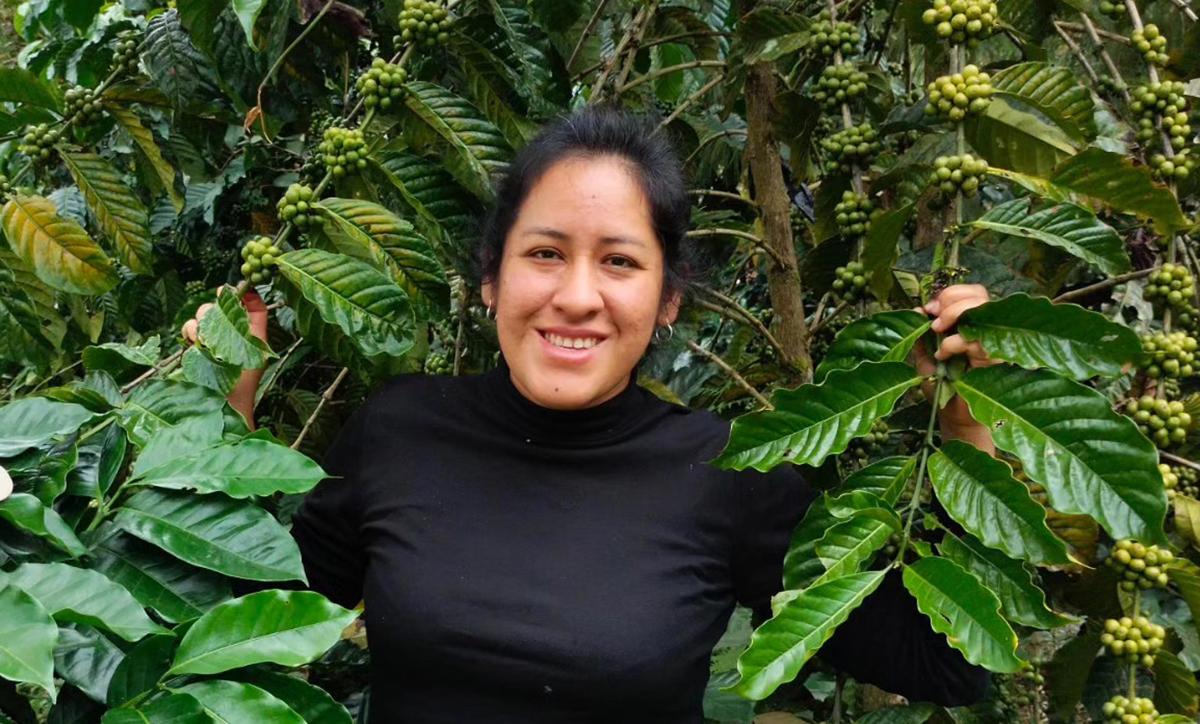
Con su presencia en la finca Ave Fénix, ella trabaja para que la dinastía Marín y el café que producen se fortalezcan desde el campo.


Con su presencia en la finca Ave Fénix, ella trabaja para que la dinastía Marín y el café que producen se fortalezcan desde el campo.
Escribe Daniel Quintero (IG @danielquintero)
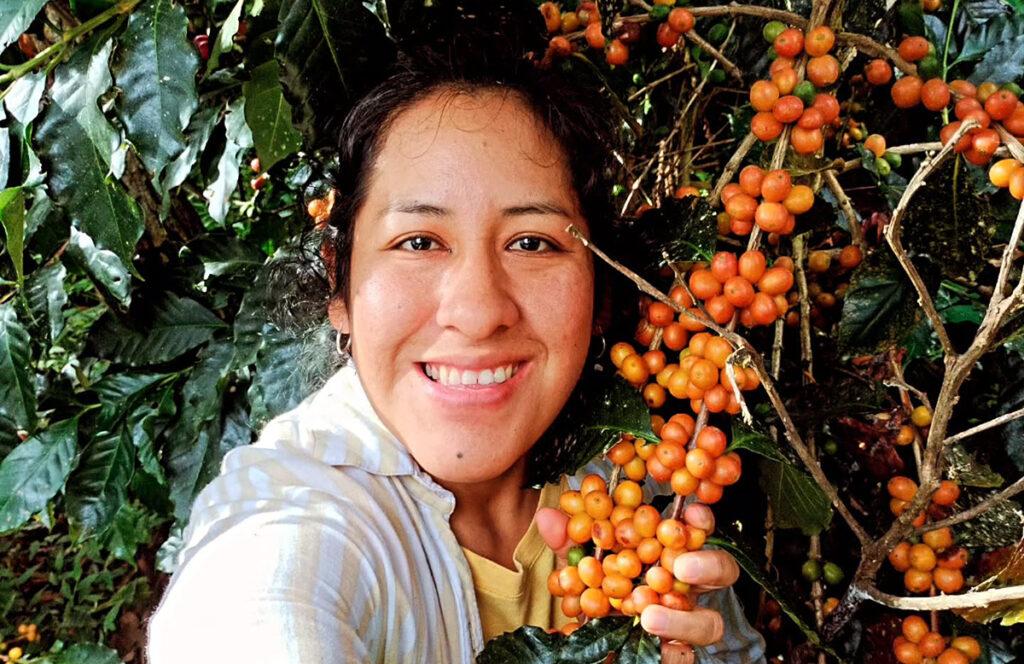
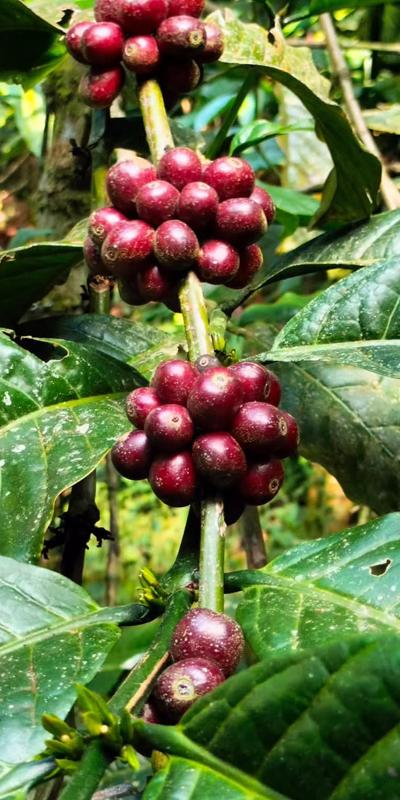
El primer recuerdo que Daniela Marín Ciriaco tiene del café no está dentro de una taza, está en la chacra, jugando con su hermano mientras acompañaban a sus padres durante la cosecha. También está en los findes que la familia pasaba en la finca, después de una semana de clases en Villa Rica. Allí aprendió a reconocer el aroma de las flores blancas del cafeto, con sus notas a jazmín, miel y polen. Todavía hoy las recoge y las mastica cuando camina por el campo. Sin embargo, como ocurrió con muchos hijos de productores de su generación, sus padres le aconsejaron buscar otro camino. El campo era trabajo arduo, resultados lentos y pocas certezas. Daniela comenzó a estudiar ingeniería de minas, convencida de que su futuro estaba en la tierra, pero lejos de los cafetales.
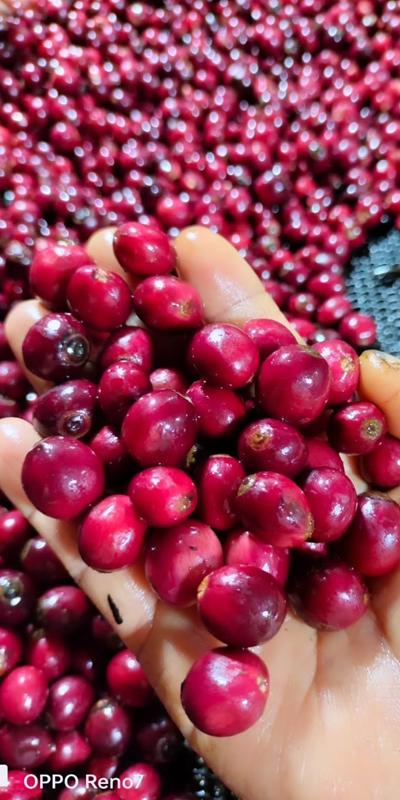
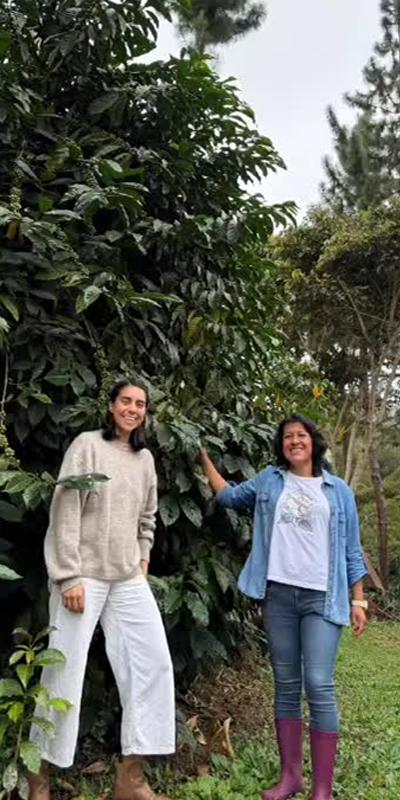
A los 19 años llegó casi por curiosidad a una formación de catadores. Primero fue asistente en un laboratorio y después consiguió una media beca para estudiar durante seis meses. Viajaba con otros jóvenes desde Villa Rica hasta La Merced y regresaba por las tardes para reducir los gastos. En casa, su hermano Gino había diseñado un organigrama en el que cada miembro de la familia tendría una responsabilidad. Querían dejar de mirar la finca solo como un espacio productivo y comenzar a entenderla como una empresa. Cuando Daniela decidió abandonar la universidad y volver, su padre, Sadler Marín, fue claro: en la finca nadie se quedaba descansando. Al día siguiente le entregó una lampa y la mandó a abonar los cafetales. Entre la cosecha, la administración y la catación, Daniela comprendió que todas las habilidades que había desarrollado apuntaban hacia el mismo lugar. “Me di cuenta de que era buena en café. ¿Por qué estaba buscando otras cosas, si podía fortalecer esto?”, recuerda.
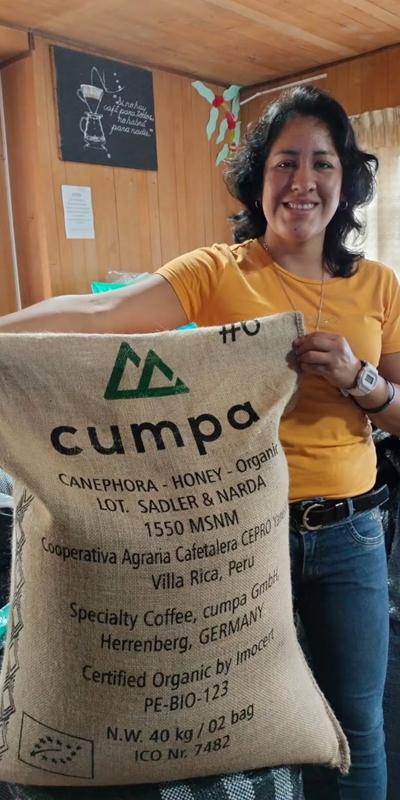
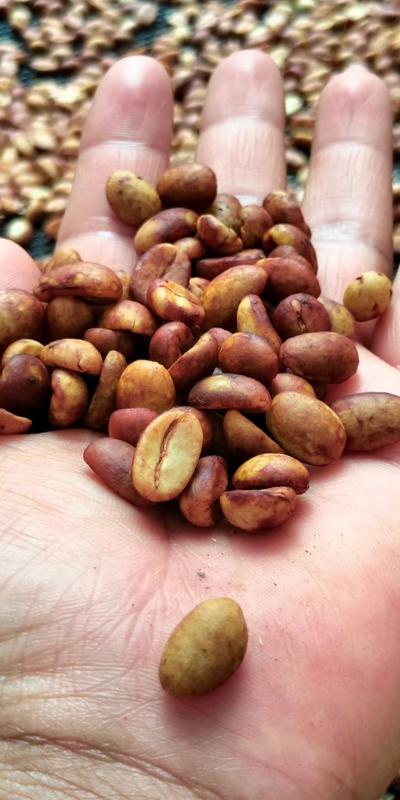
La pandemia terminó de provocar el regreso. Daniela dejó el trabajo en una cafetería que le permitía financiar sus estudios y volvió a Ave Fénix, la finca que sus padres levantaron en el valle de El Palomar. Su nombre resume la historia familiar: primero fue Fundo La Lucha, pero después de enfrentar enfermedades del café y los años de violencia que golpearon la selva central, su madre decidió que ya no bastaba con resistir. Había que renacer. Allí, Daniela comenzó a evaluar los lotes, crear fichas técnicas y desarrollar nuevos procesos. Le propuso a su padre que Ave Fénix exportara sus cafés con identidad propia y, tres años después, lo consiguieron: sus lotes llegaron a Estados Unidos y sus canéforas finas, cultivadas a 1550 metros y procesadas como honey, ahora viajan a Alemania. Junto con sus hermanos y su cuñada Marleny también creó Origen Marín Café y Laboratorio, la cafetería familiar que funciona en Villa Rica desde 2017.
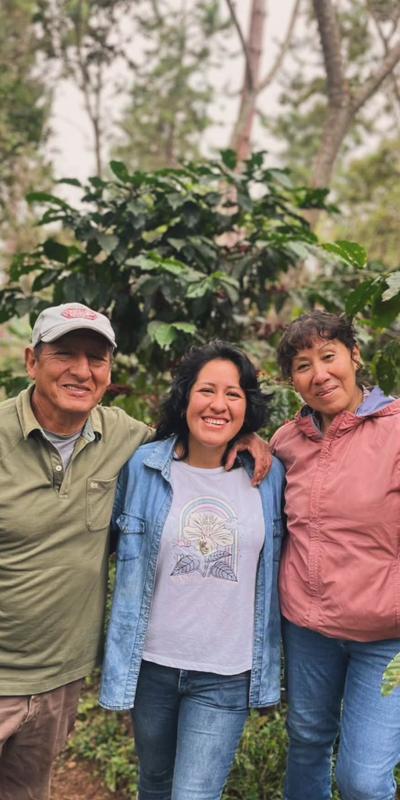
Daniela sabe que su historia no resuelve la pregunta que hoy recorre los cafetales: ¿quién permanecerá en el campo cuando los productores envejezcan? Su padre tiene 78 años y, en otras fincas, todavía existen agricultores de 90 que continúan levantando parihuelas y llevando solos su café al mercado. Por eso insiste en que no basta con contar historias bonitas, hay que demostrar que en el campo se puede construir una profesión y vivir dignamente. En Ave Fénix, esa continuidad también pasa por cuidar los suelos antiguos, conservar árboles nativos y melíferos, proteger a las abejas y mantener una producción orgánica iniciada por su padre en 1995. Su madre continúa trabajando con mermeladas elaboradas a partir de la cáscara del café y con la venta de semillas; su familia sostiene la finca y su pareja acompaña una vida que eligió construirse desde Villa Rica. El café, dice Daniela, le dio una razón para entender quién es. También le enseñó que, incluso cuando todo parece gris, siempre existe una solución si se continúa trabajando. Como Ave Fénix, su historia no trata solamente de resistir, sino de volver, echar raíces y comenzar otra vez.
Words by Daniel Quintero (IG @danielquintero)
Daniela Marín Ciriaco’s first memory of coffee is not inside a cup. It is in the fields, playing with her brother while they accompanied their parents during the harvest. It is also in the weekends the family spent on the farm after a week of classes in Villa Rica. There, she learned to recognize the aroma of the coffee plant’s white flowers, with their notes of jasmine, honey and pollen. Even today, she picks and chews them while walking through the fields. However, as happened with many producers’ children of her generation, her parents advised her to pursue another path. Working the land meant hard labor, slow results and few certainties. Daniela began studying mining engineering, convinced that her future was in the earth, but far away from the coffee plantations.
At the age of 19, almost out of curiosity, she joined a coffee-cupping training program. She first worked as an assistant in a laboratory and later received a partial scholarship to study for six months. She traveled with other young people from Villa Rica to La Merced and returned in the afternoons to reduce expenses. At home, her brother Gino had designed an organizational chart in which each member of the family would have a responsibility. They wanted to stop seeing the farm solely as a productive space and begin understanding it as a business. When Daniela decided to leave university and return, her father, Sadler Marín, was clear: no one stayed on the farm doing nothing. The next day, he handed her a shovel and sent her to fertilize the coffee plants. Between harvesting, administration and cupping, Daniela understood that all the skills she had developed pointed toward the same place. “I realized that I was good at coffee. Why was I looking for other things when I could strengthen this?” she recalls.
The pandemic ultimately prompted her return. Daniela left the job at a coffee shop that had allowed her to finance her studies and returned to Ave Fénix, the farm her parents established in the El Palomar Valley. Its name summarizes the family’s history. It was first called Fundo La Lucha, but after facing coffee diseases and the years of violence that struck Peru’s central jungle, her mother decided that resisting was no longer enough. They had to be reborn. There, Daniela began evaluating the lots, creating technical sheets and developing new processes. She proposed that her father export Ave Fénix’s coffees under their own identity and, three years later, they achieved it: their lots reached the United States, while their fine canephoras, grown at 1,550 meters and honey processed, now travel to Germany. Together with her siblings and her sister-in-law Marleny, she also created Origen Marín Café y Laboratorio, the family coffee shop that has operated in Villa Rica since 2017.
Daniela knows that her story does not answer the question now running through the coffee plantations: who will remain in the fields when the producers grow old? Her father is 78, and on other farms there are still 90-year-old farmers who continue lifting wooden pallets and taking their coffee to market alone. That is why she insists that telling beautiful stories is not enough. It is necessary to demonstrate that it is possible to build a profession and live with dignity in the countryside. At Ave Fénix, that continuity also involves caring for old soils, preserving native and melliferous trees, protecting bees and maintaining the organic production her father began in 1995. Her mother continues working with jams made from coffee husks and selling seeds; her family sustains the farm, and her partner accompanies a life she chose to build in Villa Rica. Coffee, Daniela says, gave her a reason to understand who she is. It also taught her that, even when everything seems gray, there is always a solution when you continue working. Like Ave Fénix, her story is not only about resisting, but about returning, putting down roots and beginning again.
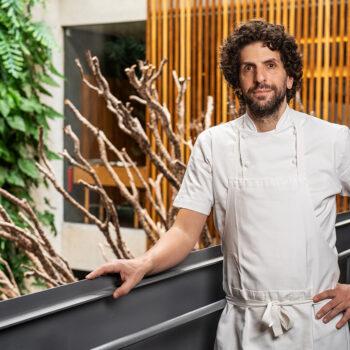
El chef Iván Ralston, de Tuju en São Paulo, nos comparte sus cinco lugares favoritos para comer en esta ciudad. Cocinas con enfoque sostenible, una barra japonesa y tradicional brasileña.
Leer más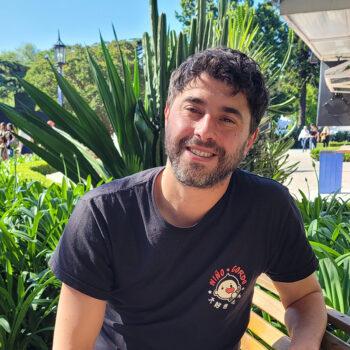
El chef de Niño Gordo nos comparte sus lugares favoritos para comer en Buenos Aires. Además, nos deja un bonus track de sus bares para ir con amigos o en pareja.
Leer más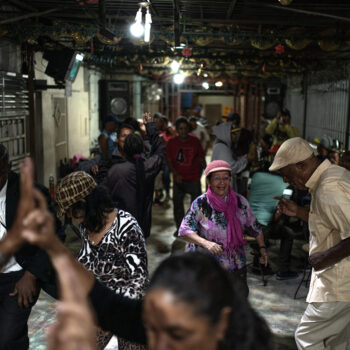
En Caracas, tres amigos organizaron una ruta de bares inspirada en una tradición de Semana Santa.
Leer más




Cada semana recibirás diversos artículos interesantes sobre gastronomía.
 Regresar


