VICTORIA BRAVO: GUARDIANA DE LAS PAPAS NATIVAS
Desde el sector Huatata, en Chinchero, esta agricultora cusqueña selecciona las semillas que ayudan a mantener la diversidad papera del Perú.


Desde el sector Huatata, en Chinchero, esta agricultora cusqueña selecciona las semillas que ayudan a mantener la diversidad papera del Perú.
Escribe Catherine Contreras (IG @caty.contrerasr) Foto de portada Gustavo Vivando (IG @gustavovivancoleon)
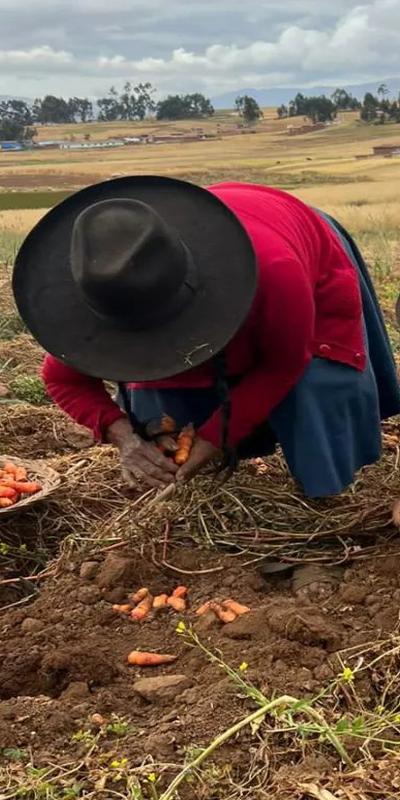
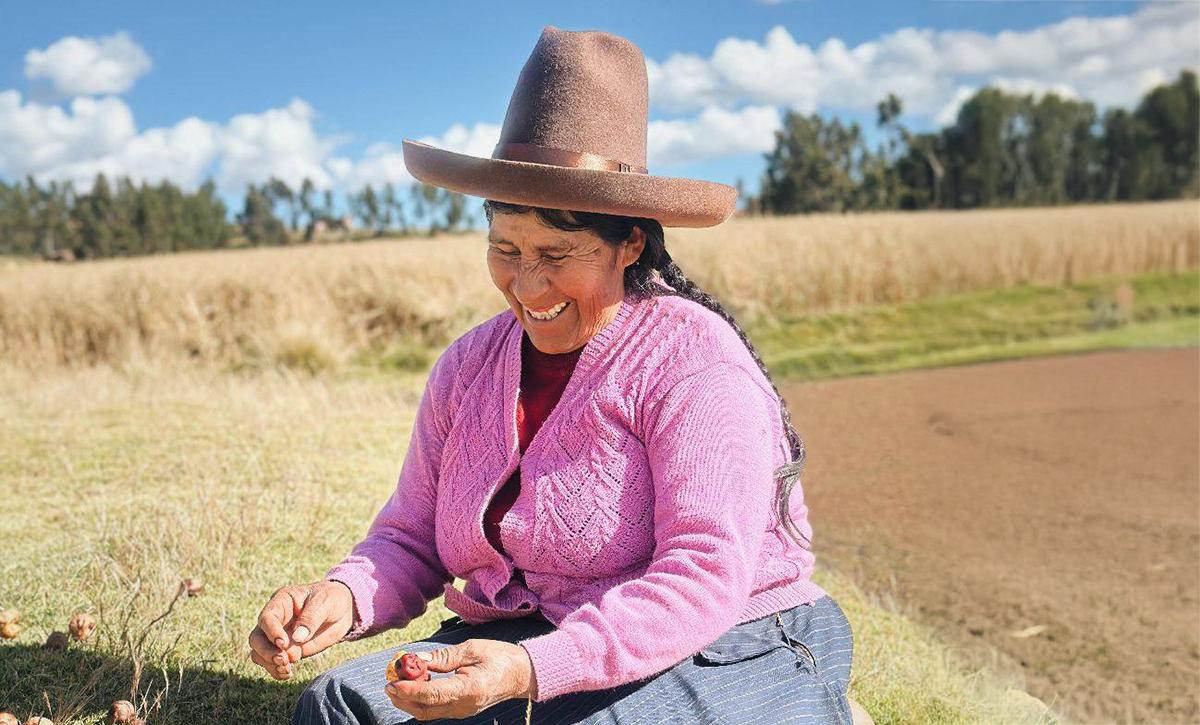
Es cusqueña, tiene poco más de 70 años, nueve hijos, 15 nietos y un campo cargado de papas listo para cosechar. Papas nativas, multicolor, que también son fruto de su trabajo seleccionando las semillas que ella y su familia sembrarán en la próxima temporada, como guardianes de biodiversidad que son.
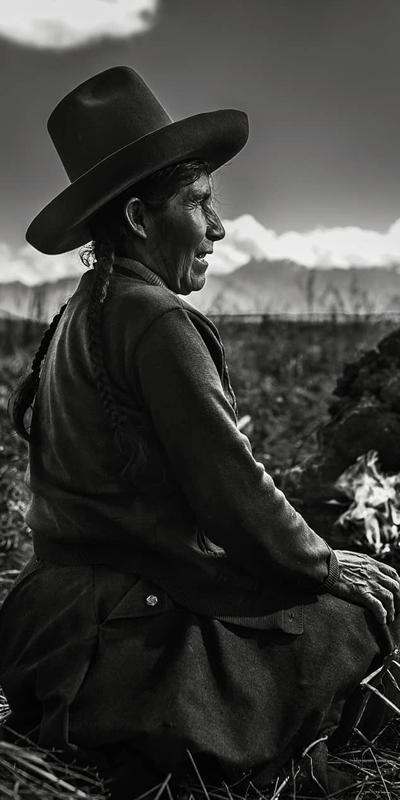
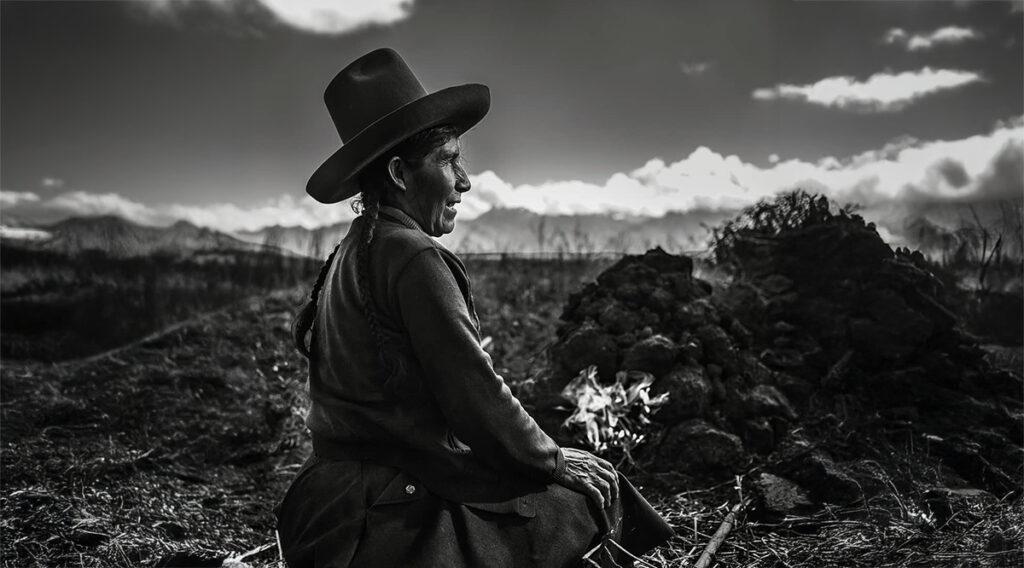
Sentada junto a una pila de terrones, Victoria Bravo Quispe espera que el fuego haga lo suyo: que consuma el rastrojo de papa que reunió para dar calor al horno de barro donde luego introducirá papas, ocas y mashuas para celebrar la cosecha con una generosa huatia. El ritual culinario se realiza en Cusco, a 3700 msnm, en el sector de Huatata (a siete kilómetros de Chinchero), donde ella vive desde 1985 junto con su esposo, Augusto Choqque, y sus nueve hijos. Mientras espera, Victoria prepara uchucuta.
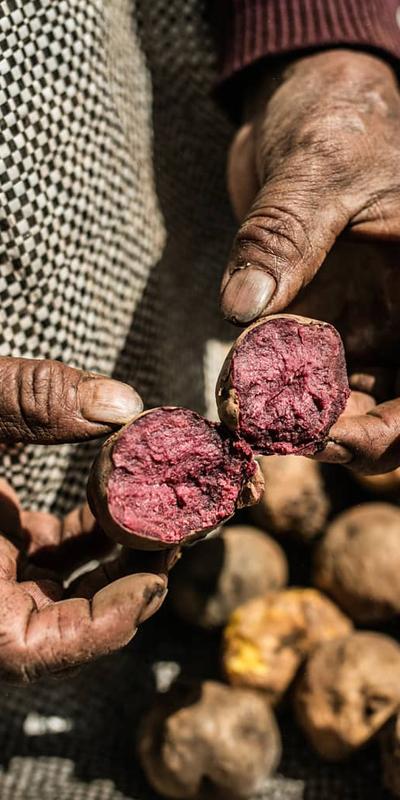
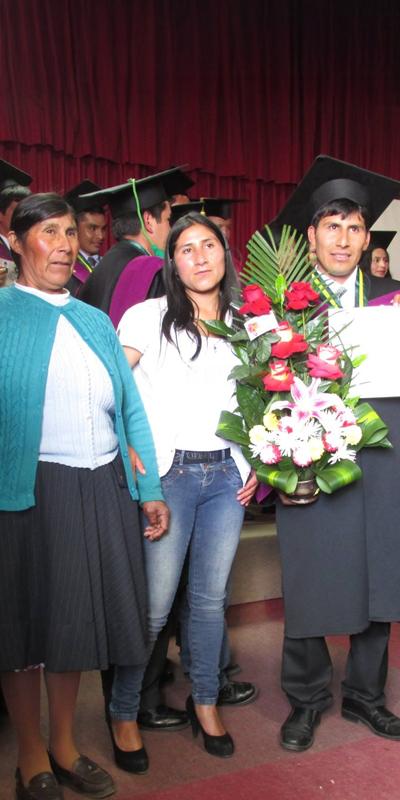
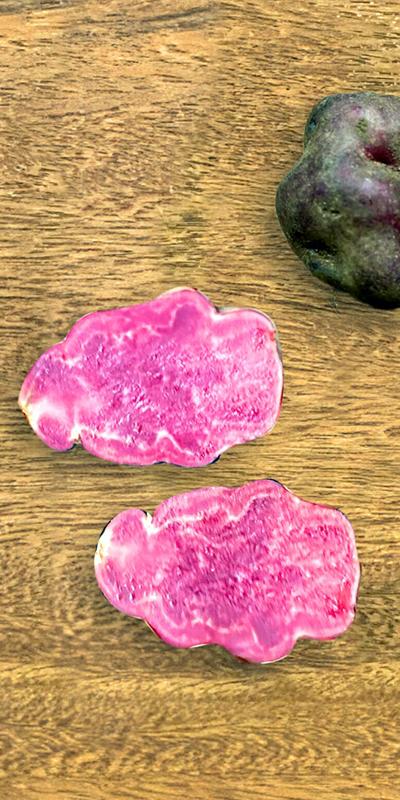
Su huatia es el punto culminante de un proceso de cultivo en el que ella cumple un rol fundamental: la agricultora tiene la misión de seleccionar las semillas de oca y mashua, y también las de papas nativas, que separa según sean dulces o amargas. «Ella es delicada y observadora», nos dice su hijo Manuel Choqque Bravo, quien agradece el trabajo de su madre porque con su ayuda y sabiduría su familia ha podido conservar 390 variedades de papas nativas, a las que han sumado más de 230 de ecotipos de papas creadas por mejoramiento genético, imitando en el campo lo que la naturaleza practica: la polinización directa, igual que las abejas. Aquellas son “las super papas” como les llama Manuel, ingeniero agrónomo y también exitoso creador de Oxalis, vinos de oca. Victoria cocina estas papas de intensos colores, las prueba y comparte con Manuel su opinión sobre sabor y textura, cuáles son buenas y cuáles no tanto.
Escribimos sobre Victoria Bravo en tiempos duros, durante la pandemia, una época difícil pero que su familia supo sobrellevar porque ese campo que trabajan con tanto esmero y respeto les supo brindar alimento suficiente para vivir. Un campo sano que, luego de llenar de color las ondulantes chacras de Huatata, regala hoy lo mejor de la cosecha papera. Muchas de sus papas nativas irán a parar a restaurantes locales, otras más a caseros del mercado de Urubamba, donde Victoria vende con el orgullo de saberse protectora de esta biodiversidad que con sus manos y dedicación ella ayuda a conservar y que es sustento para todos los peruanos. Y por eso, hoy y siempre, gracias, Victoria.
Words by Catherine Contreras (IG @caty.contrerasr)
She is from Cusco, just over 70 years old, with nine children, 15 grandchildren, and a field full of potatoes ready for harvest. Native potatoes, multicolored, which are also the result of her work selecting the seeds that she and her family will plant in the next season, as the biodiversity guardians they are.
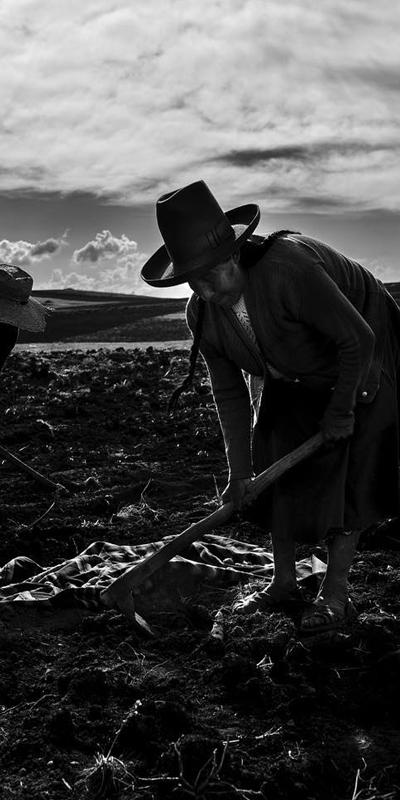
Seated beside a pile of clods of earth, Victoria Bravo Quispe waits for the fire to do its job: to consume the potato stalks she gathered to heat the earthen oven where she will later place potatoes, ocas, and mashuas to celebrate the harvest with a generous huatia. This culinary ritual takes place in Cusco, at 3700 meters above sea level, in the Huatata sector (seven kilometers from Chinchero), where she has lived since 1985 with her husband, Augusto Choqque, and their nine children. As she waits, Victoria prepares uchucuta.
Her huatia is the culmination of a cultivation process in which she plays a fundamental role: the farmer selects the seeds of oca and mashua, as well as those of native potatoes, which she separates according to whether they are sweet or bitter. “She is meticulous and observant,” says her son Manuel Choqque Bravo, who is grateful for his mother’s work because, thanks to her knowledge and dedication, their family has been able to preserve 390 varieties of native potatoes. They have also added more than 230 ecotypes of potatoes created through genetic improvement, replicating in the field what nature itself does—direct pollination, just like bees. These are the “super potatoes,” as Manuel calls them—an agronomist and the successful creator of Oxalis, oca wines. Victoria cooks these vividly colored potatoes, tastes them, and shares with Manuel her opinion on their flavor and texture—deciding which are good and which are not as much.
We wrote about Victoria Bravo in difficult times, during the pandemic—a challenging period that her family managed to endure because the land they work with such care and respect provided them with enough food to live. A healthy field that, after filling the rolling farmlands of Huatata with color, now offers the best of its potato harvest. Many of her native potatoes will end up in local restaurants, and others with vendors at the Urubamba market, where Victoria sells them with pride, knowing she is a protector of this biodiversity, one that, through her hands and dedication, she helps preserve and which sustains all Peruvians. And for that, thank you, Victoria, today and always.
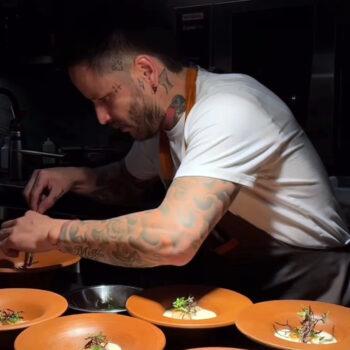
Conseguir que alguien apueste por tu creatividad es algo que muchos cocineros buscan. El chef peruano trabaja en ello y brilla en Medellín.
Leer más
Desde panaderías, pastelerías, comida criolla, chifa y pollo a la brasa, los sabores del Perú llenan las calles del Garden State.
Leer más
El chef de Al Toke Pez nos recomendó sus huariques y restaurantes favoritos, y qué pedir en cada uno de ellos.
Leer más




Cada semana recibirás diversos artículos interesantes sobre gastronomía.
 Regresar


