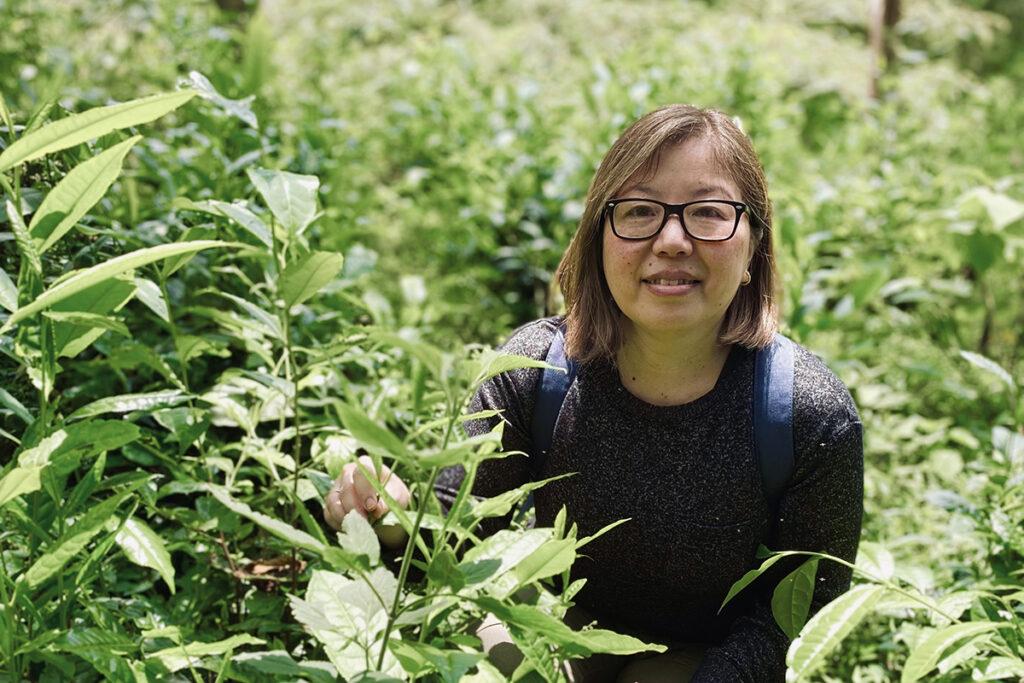
MARGARITA HISHIKAWA: LA DAMA DEL TÉ
A sus profesiones de comunicadora y artista plástica, Margarita sumó una más: ser sommelier de té, una pasión que la llevó hasta Huayopata, en Cusco.


A sus profesiones de comunicadora y artista plástica, Margarita sumó una más: ser sommelier de té, una pasión que la llevó hasta Huayopata, en Cusco.
Escribe María Elena Cornejo (IG @melenacornejo)
¿Sabían que del valle de La Convención, en Cusco, proviene el 80% de la producción nacional de té? ¿Sabían que el té es la bebida más consumida en el mundo después del agua? Por boca de la sommelier Margarita Hishikawa nos enteraremos de este mundo apasionante y poco conocido por estos lares.
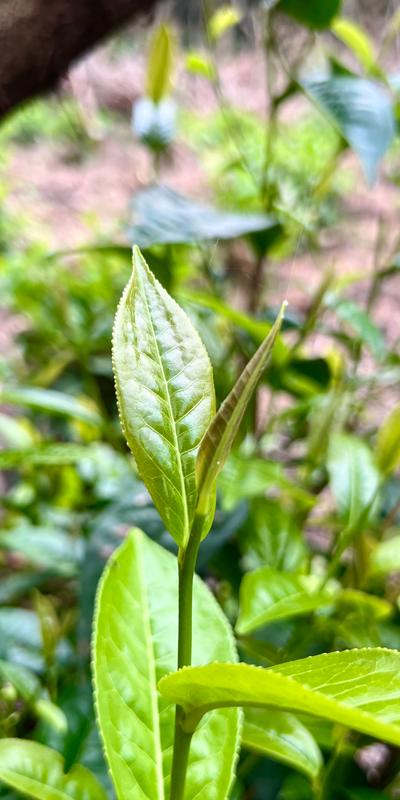

Margarita Hishikawa es comunicadora por la Universidad de Lima y artista plástica formada en Corriente Alterna. Durante varios años se dedicó al arte haciendo miniaturas y tejiendo texturas con fibras de algodón. Mientras tanto tomaba té, un ritual diario que desde su infancia formó parte de la cultura japonesa heredada de sus padres. En plena pandemia, Margarita sostiene que fue “el té quien la encontró” luego de una cadena de sucesos maravillosos que se le aparecieron como una serendipia y la condujeron hasta Huayopata, el paraíso del té.
Huayopata, con su capital Huayro, es una ciudad fundada en 1857, en época del mariscal Ramón Castilla. Cincuenta años después de su fundación, el hacendado y senador Benjamín La Torre trajo las primeras plantas de té desde Japón. A partir de 1917 el cultivo se extendió rápidamente en la zona, se crearon fábricas y tres años después empezaron a exportarlo a mercados europeos e incluso asiáticos.
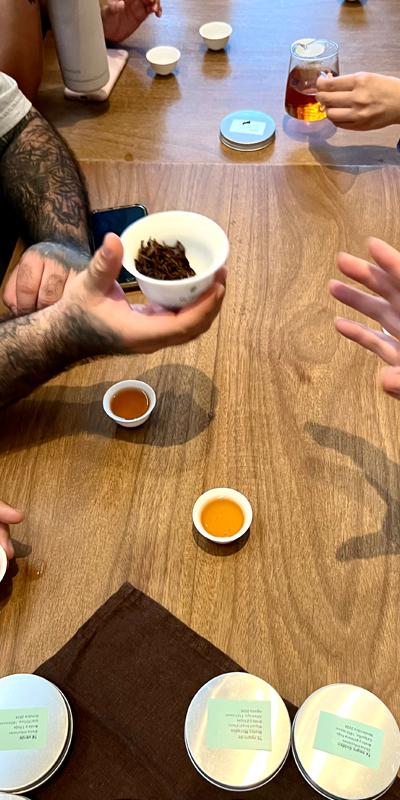
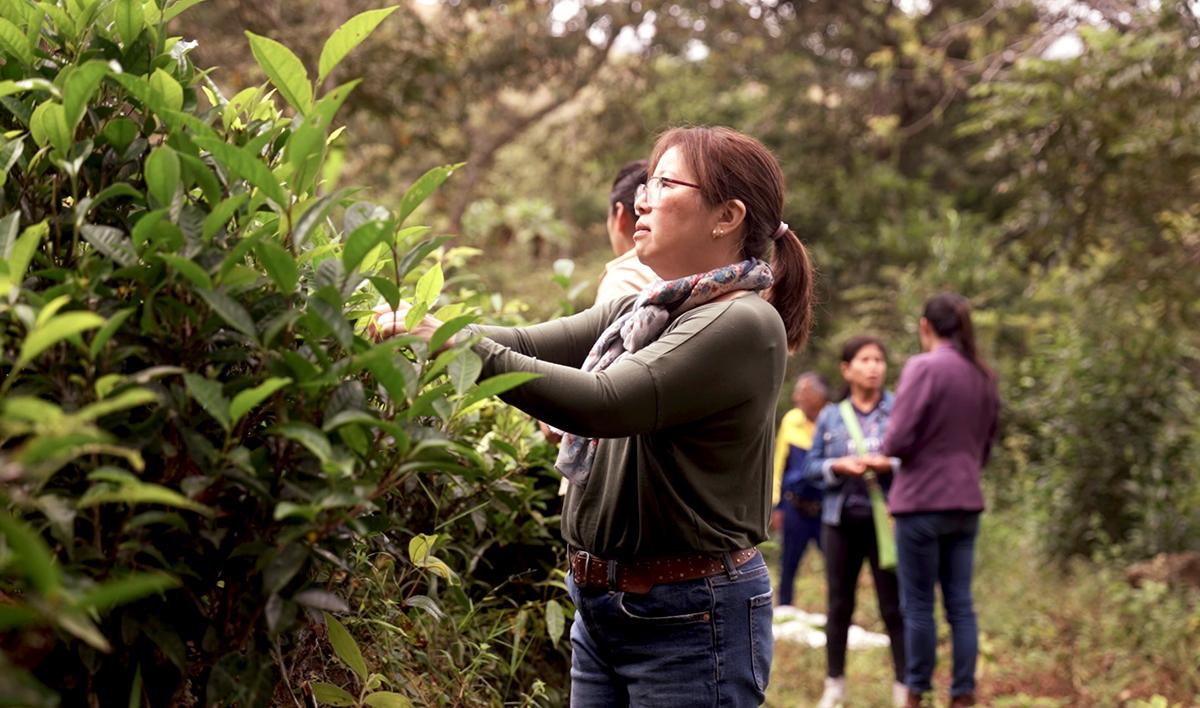
Con la reforma agraria se atomizaron las tierras, luego se liberaron las importaciones, cundió la corrupción, bajaron los precios, ingresó té de baja calidad de otros países y las bolsitas filtrantes se adueñaron del mercado. Cuando el mundo se cerró en los años de la pandemia, Margarita conoció la zona, se fascinó con la calidad de las hojas y decidió estudiar el tema a profundidad. Viajó a Argentina, se capacitó, siguió cursos online, logró certificaciones y se convirtió oficialmente en catadora de té, una suerte de sommelier que analiza cualitativamente las hojas, observa perfiles sensoriales y otros atributos calificables más allá del gusto personal. También asesora a los productores identificando errores típicos derivados del protocolo de cosecha, del tiempo de secado o del almacenamiento.
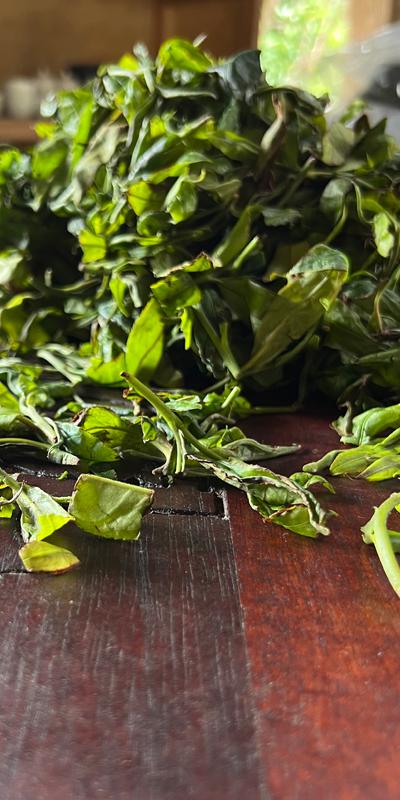
El té se cosecha a mano y es una planta perenne. Actualmente, en Huayopata hay varios microlotes de producción artesanal que apuestan por el té de especialidad en mercados de nicho más exclusivos. Todas las variedades de té, sea verde, negro, blanco u oolong, provienen de la misma hoja, lo que cambia es el proceso. Margarita da cursos y talleres para infusionar las hojas adecuadamente, sugiriendo combinaciones con flores o frutos secos para estimular el consumo.
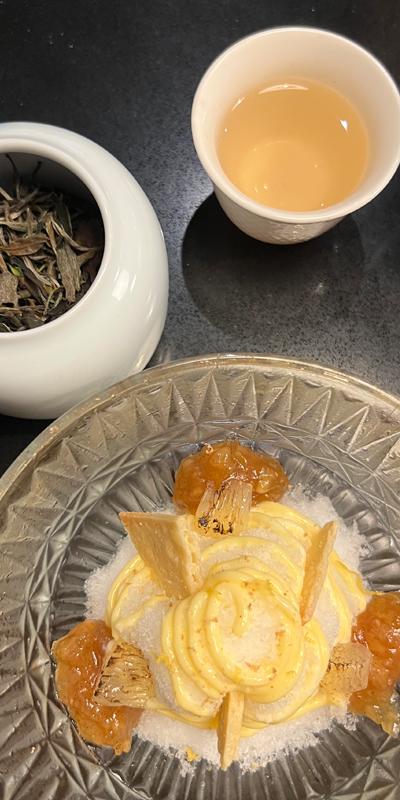
¿A qué sabe el té? Según Margarita, el verde tiene notas vegetales, umami, legumbres o nueces ligeramente tostadas. El negro aporta notas de vegetales dulces como el camote y nueces tostadas. El blanco es muy floral, especiado y con aroma a frutas, como el melón o durazno. El oolong o “té azul” por su nivel de oxidación, tiene notas florales y afrutadas. El té artesanal gana espacios gastronómicos poco a poco y algunas cafeterías de especialidad ya lo tienen en su carta. La oferta de maridajes sin alcohol, que también está creciendo en bares y restaurantes, tiene en el té un mundo aromático por descubrir.
Words María Elena Cornejo (IG @melenacornejo)
Did you know that 80 percent of Peru’s national tea production comes from the La Convención valley in Cusco? Did you know that tea is the most consumed beverage in the world after water? Through the voice of sommelier Margarita Hishikawa, we are invited into this fascinating, little-known world.
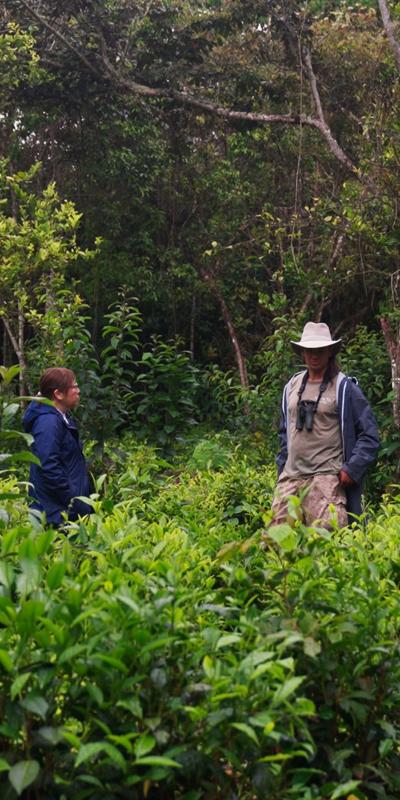
Margarita Hishikawa studied Communications at the University of Lima and trained as a visual artist at Corriente Alterna. For several years, she dedicated herself to art, creating miniatures and weaving textures with cotton fibers. All the while, she drank tea, a daily ritual rooted in the Japanese culture she inherited from her parents. During the pandemic, Margarita says it was “tea that found her” after a series of extraordinary events that felt like pure serendipity, leading her to Huayopata, the Peruvian tea paradise.
Huayopata is a town founded in 1857, during the era of Marshal Ramón Castilla, with Huayro as its capital. Fifty years after its founding, landowner and senator Benjamín La Torre brought the first tea plants from Japan. Starting in 1917, tea cultivation expanded rapidly throughout the area, factories were established, and three years later, exports began flowing to European and even Asian markets.
Agrarian reform fragmented the land. Import restrictions were lifted. Corruption spread, prices fell, low-quality foreign tea entered the market, and tea bags took over. When the world shut down during the pandemic, Margarita visited the region, was captivated by its leaves, and decided to dive deeper. She traveled to Argentina for training, took online courses, earned certifications, and officially became a tea taster, a kind of sommelier who evaluates leaves qualitatively, analyzes sensory profiles, and identifies attributes beyond personal taste. She also advises producers, identifying common errors derived from harvesting protocols, drying times, or storage conditions.
Tea is hand-picked and comes from a perennial plant. Today, Huayopata hosts several artisanal micro-lots focused on specialty tea for more exclusive niche markets. All varieties of tea: green, black, white, or oolong, come from the same leaf; what changes is the process. Margarita teaches courses and workshops on how to infuse the leaves properly, suggesting pairings with flowers or dried fruits to encourage consumption.
What does tea taste like? According to Margarita, green tea offers vegetal notes, umami, legumes, or lightly toasted nuts. Black tea brings out the sweetness of vegetables like sweet potato and toasted nuts. White tea is very floral, spiced, and aromatic, with hints of melon or peach. Oolong, or “blue tea” due to its level of oxidation, carries floral and fruity notes. Artisanal tea is slowly gaining ground in Peru’s gastronomic scene, and some specialty coffee shops already feature it on their menus. The expanding world of non-alcoholic pairings in restaurants and bars has found in tea an aromatic universe ready to be explored.

Mariano Ramón nos da sus favoritos del día a día para comer en Buenos Aires. Esos que le llenan la panza y el corazón.
Leer más
La periodista Argot Murelius nos recomienda dónde comer y beber más allá del bullicio de la ciudad que será sede de los World’s 50 Best Restaurants.
Leer más
El chef José Avillez y su esposa, Sofia Ulrich, construyeron junto al lago Alqueva, al sureste de Portugal, un refugio para el alma. Cultura, cocina y naturaleza nos envuelven en Casa Nossa.
Leer más




Cada semana recibirás diversos artículos interesantes sobre gastronomía.
 Regresar


