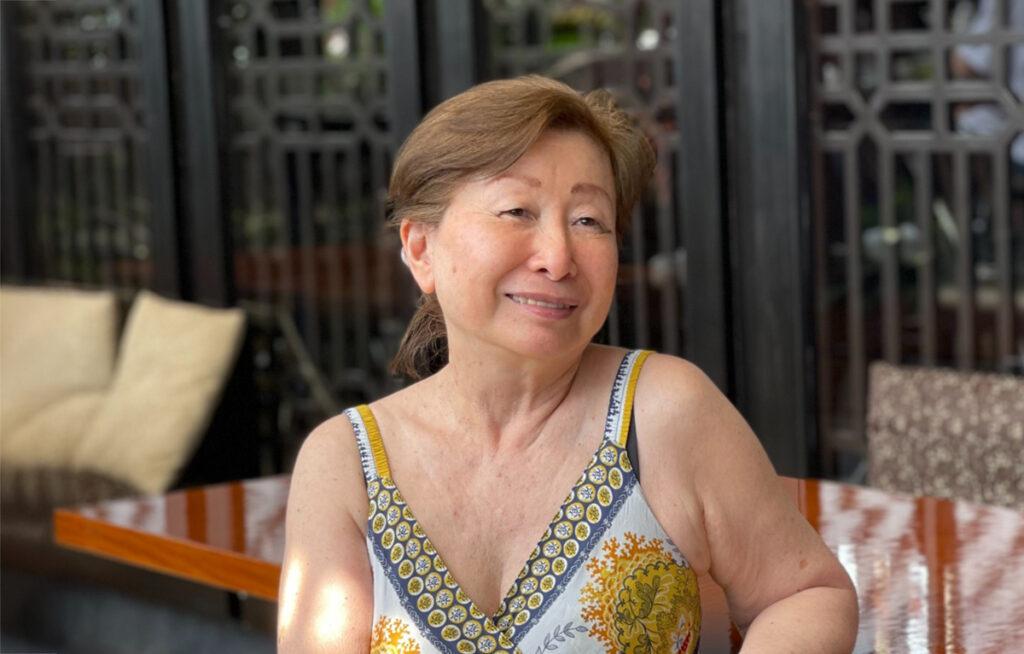
PATRICIA CHAN: EL TESTIMONIO DEL CHIFA TITI
Testimonio de una historia que empezó en un huequito en Paruro y terminó con una sofisticada oferta de cocina china contemporánea.


Testimonio de una historia que empezó en un huequito en Paruro y terminó con una sofisticada oferta de cocina china contemporánea.
Escribe María Elena Cornejo (IG @melenacornejo)
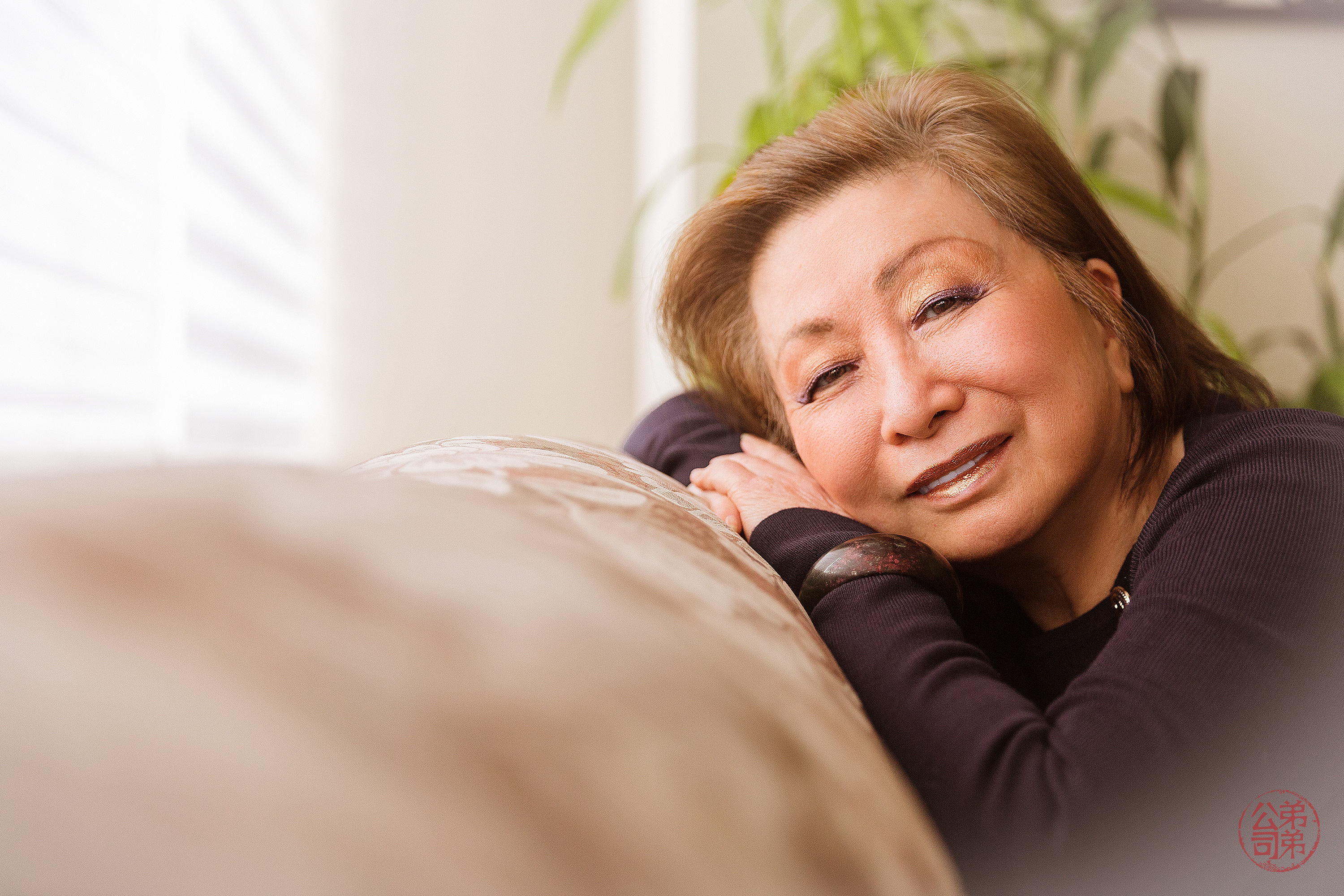
El primer recuerdo que Patricia guarda en el corazón es de su primera noche en el jirón Paruro. Un local vacío, con frío piso de cemento, cartones que servían de colchón y papel periódico que hacía las veces de frazada. Estaba con sus padres y sus tres hermanos. Tenía cinco años y aún recuerda el sabor de las comidas: chancay con té y arroz blanco. Eran pobres, pero el sueño de abrir un chifa los mantenía unidos y optimistas.
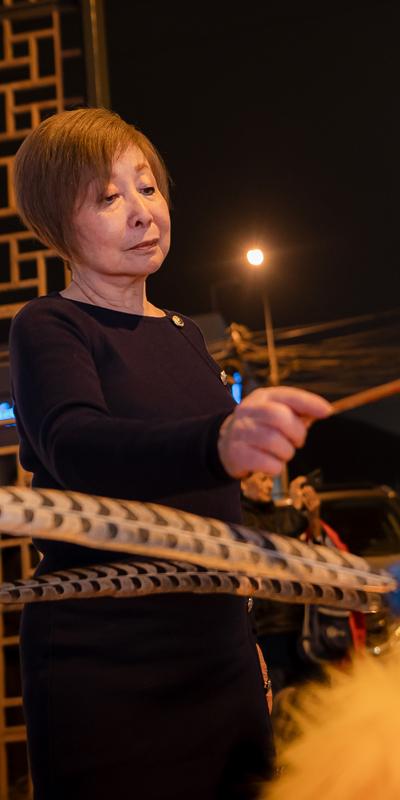
Más tarde llegarían los últimos dos hermanos. Siguiendo la tradición hakka de donde provienen sus padres, al tercer hijo y primer varón de la familia lo llamaron Titi, que significa “hijo menor”. Y fue ese nombre lleno de ternura y significado el que los hizo conocidos y multipremiados hasta hoy.
En ese tiempo, los chifas eran espacios amplios donde solía haber música y largas sobremesas, el Titi era pequeño, el papá cocinaba en un área de cuatro metros cuadrados, la mamá atendía y cobraba, Patricia atendía a sus hermanos en la trastienda. El primer día solo vendieron una taza de café, pero poco a poco la gente se pasó la voz de un “huequito” donde servían una cocina deliciosa y diferente al chifa tradicional. Nada de kam lu wantan, chi jau kay ni enrollados con espárragos. Solo platos con historias que ellos guardaban en la memoria. “Hagas lo que hagas, hazlo bien”, decía el papá. El término a medias nunca fue una opción.
El Titi se convirtió en punto de encuentro de poetas, escritores, bohemios y gente de buen comer. Con el correr de los años, el local les quedó estrecho y se mudaron a la avenida Canadá, un local de 70 metros que a ellos les pareció enorme. El papá cedió el wok al hermano de Patricia, William (Titi), quien introdujo ají amarillo en las preparaciones para adaptar el menú al paladar peruano dándole al mismo tiempo un toque de refinamiento y sofisticación que marcó la diferencia.
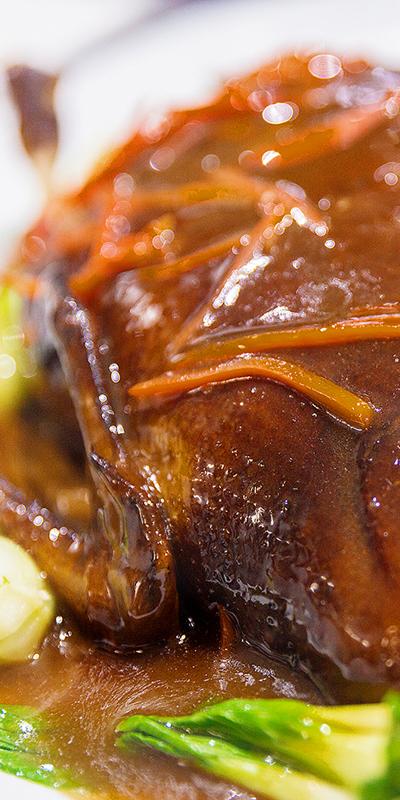
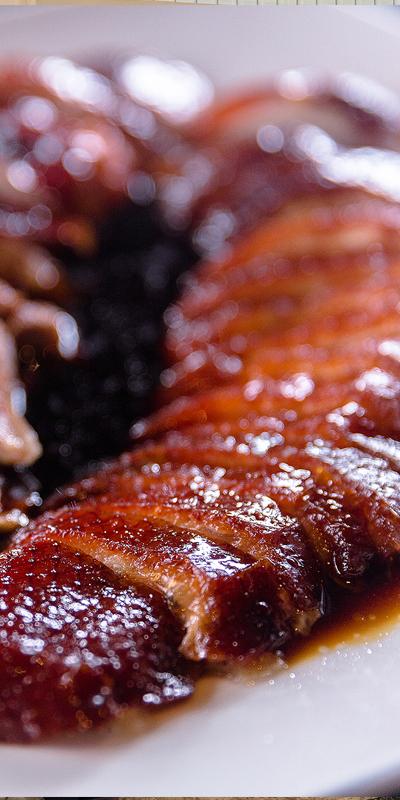
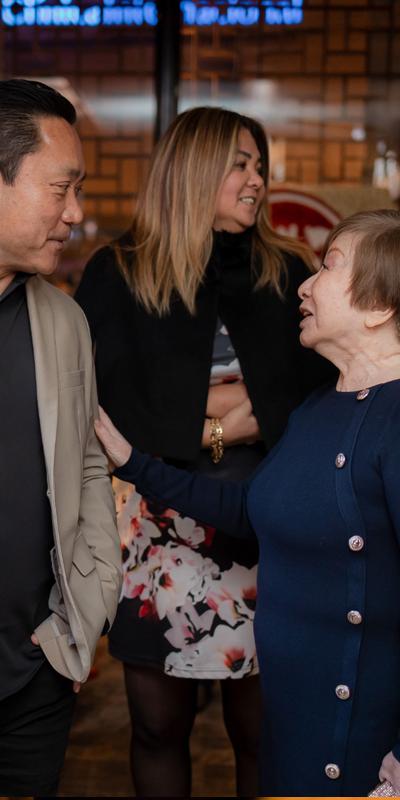
Una nueva mudanza los llevó al emblemático local de la avenida Javier Prado donde gracias a un artículo de la querida Elvira Gálvez en El Comercio se llenó muy pronto de clientes. Allí fue donde Patricia se encargó de recibir a los comensales, ilustrándolos sobre platos de nombres inusuales, sugiriendo cantidades de acuerdo a los gustos dispares de los clientes, indagando incluso por alergias (que por entonces nadie preguntaba), intolerancias o creencias religiosas. Explicaba también las diferencias de sabor entre un pato y una gallina, o las bondades de la balsamina, el pak choy, el holantao y los brotes de soja.
Se convirtió en anfitriona, confidente y curandera. Sabía cuando un cliente estaba apenado o ansioso, si quería comer solo o buscaba protagonismo. Como buena acuariana tenía la cabeza llena de sueños. Cuando nominaron al Titi en un ranking de los mejores restaurantes de cocina china, Patricia soñó que al siguiente año llegarían al primer lugar. Y lo consiguió durante una docena de años.
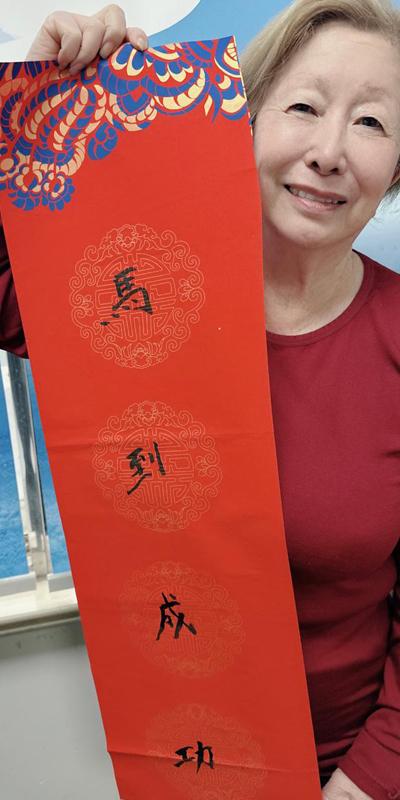
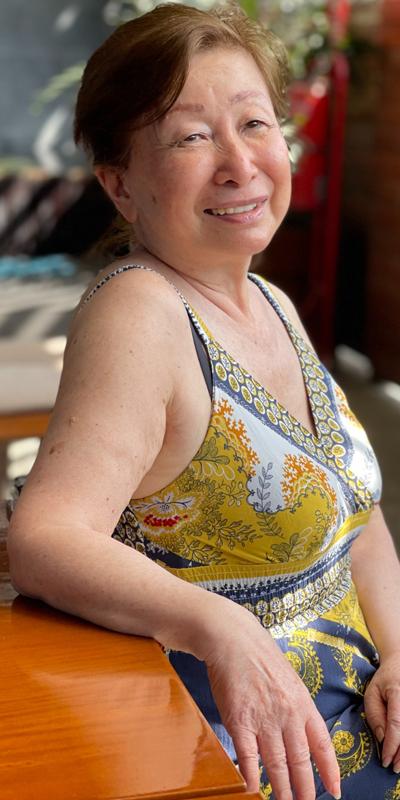
Luego de inaugurar un segundo local en La Molina, Patricia entró a otra etapa. No la del reposo del guerrero sino la del aprendiz. Actualmente está en Shanghai con visa de estudiante para seguir cursos de cultura, tradiciones, caligrafía y chino mandarín. Quiere conocer más de las cuatro regiones gastronómicas más importantes de China y su enorme influencia en el gran continente asiático. El cielo es el límite para esta acuariana intensa que sabe que los sueños pueden ser reales.
Words by María Elena Cornejo (IG @melenacornejo)
The first memory Patricia keeps in her heart is of her first night on Jirón Paruro. An empty space, a cold cement floor, cardboard used as mattresses and newspaper serving as blankets. She was there with her parents and her three siblings. She was five years old and still remembers the taste of the meals: chancay with tea and white rice. They were poor, but the dream of opening a chifa kept them united and optimistic.
Later, the last two siblings would arrive. Following the Hakka tradition from which her parents came, the third child and first son of the family was named Titi, which means “youngest child.” And it was that name, full of tenderness and meaning, that made them known and highly awarded to this day.
At that time, chifas were spacious places with usually music and long after-meal conversations. Titi was small: the father cooked in a four-square-meter area, the mother served and handled the payments, and Patricia looked after her siblings in the back room. On the first day, they sold only one cup of coffee, but little by little, people spread the word about a “little hole-in-the-wall” where they served delicious cuisine different from the traditional chifa. No kam lu wantan, chi jau kay, or asparagus rolls. Only dishes with stories they carried in their memory. “Whatever you do, do it well,” their father would say. Doing things halfway was never an option.
Titi became a meeting point for poets, writers, bohemians, and people who loved good food. As the years went by, the place became too small, and they moved to Avenida Canadá, a 70-square-meter space that seemed enormous to them. The father handed the wok to his son, Titi, who introduced ají amarillo into the preparations to adapt the menu to the Peruvian palate while, at the same time, giving it a touch of refinement and sophistication that made the difference.
A new move took them to the emblematic location on Avenida Javier Prado where, thanks to an article by the beloved Elvira Gálvez in El Comercio, it soon filled with customers.
That was where Patricia took charge of welcoming diners, guiding them through dishes with unusual names, suggesting portions based on clients’ varied tastes, and even asking about allergies (which at the time no one asked about), intolerances, or religious beliefs. She would also explain the flavor differences between duck and hen, as well as the virtues of balsam pear, pak choy, holantao, and soybean sprouts.
She became a hostess, confidante, and healer. She knew when a client was sad or anxious, whether they wanted to eat alone or sought attention. As a true Aquarius, her head was full of dreams. When Titi was nominated in a ranking of the best Chinese restaurants, Patricia dreamed that the following year they would reach first place. And she achieved it for a dozen years.
After opening a second location in La Molina, Patricia entered another stage. Not that of the warrior’s rest but that of the apprentice. She is currently in Shanghai with a student visa to continue courses in culture, traditions, calligraphy, and Mandarin Chinese. She wants to learn more about the four most important gastronomic regions of China and their enormous influence across the great Asian continent. The sky is the limit for this intense Aquarian who knows that dreams can become real.
En un edificio neocolonial del sur de Italia de inicios de 1900 se instaló hace casi 20 años este hotel inspirado en el lujo de la Sicilia histórica.
Leer más
Nos reunimos con la chef de Kjolle para preguntarle por sus spots favoritos para comer en Lima y qué platos recomienda.
Leer más
Conseguir que alguien apueste por tu creatividad es algo que muchos cocineros buscan. El chef peruano trabaja en ello y brilla en Medellín.
Leer más




Cada semana recibirás diversos artículos interesantes sobre gastronomía.
 Regresar


