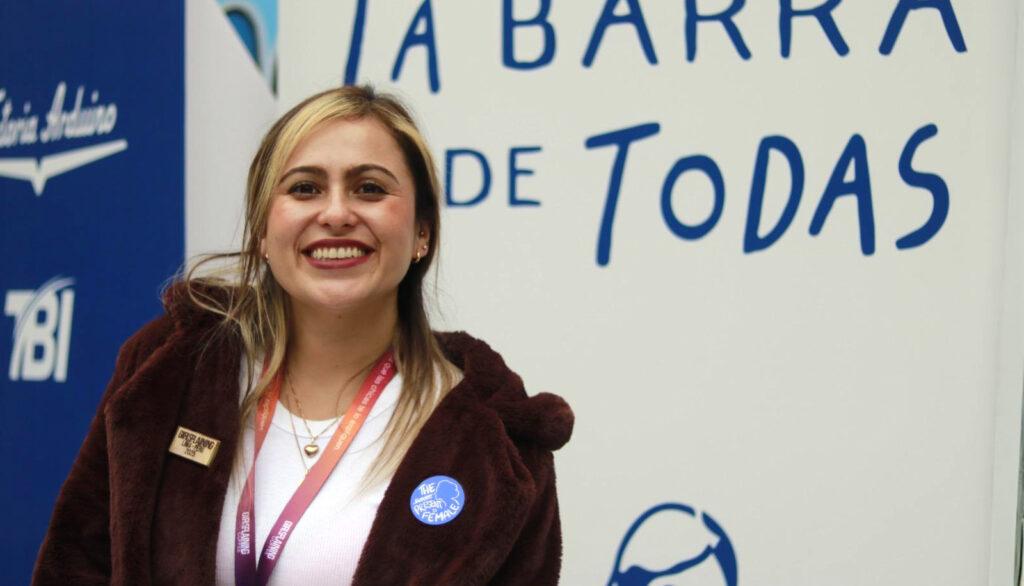
ÁNGGELA SARA: CRECER ENTRE CAFÉ Y VOLVER A ÉL
Nació entre cafetales, quiso alejarse del campo, pero el café la trajo de vuelta. Hoy impulsa espacios que buscan abrir la industria a más voces.


Nació entre cafetales, quiso alejarse del campo, pero el café la trajo de vuelta. Hoy impulsa espacios que buscan abrir la industria a más voces.
Escribe Daniel Quintero (IG @danielquintero)
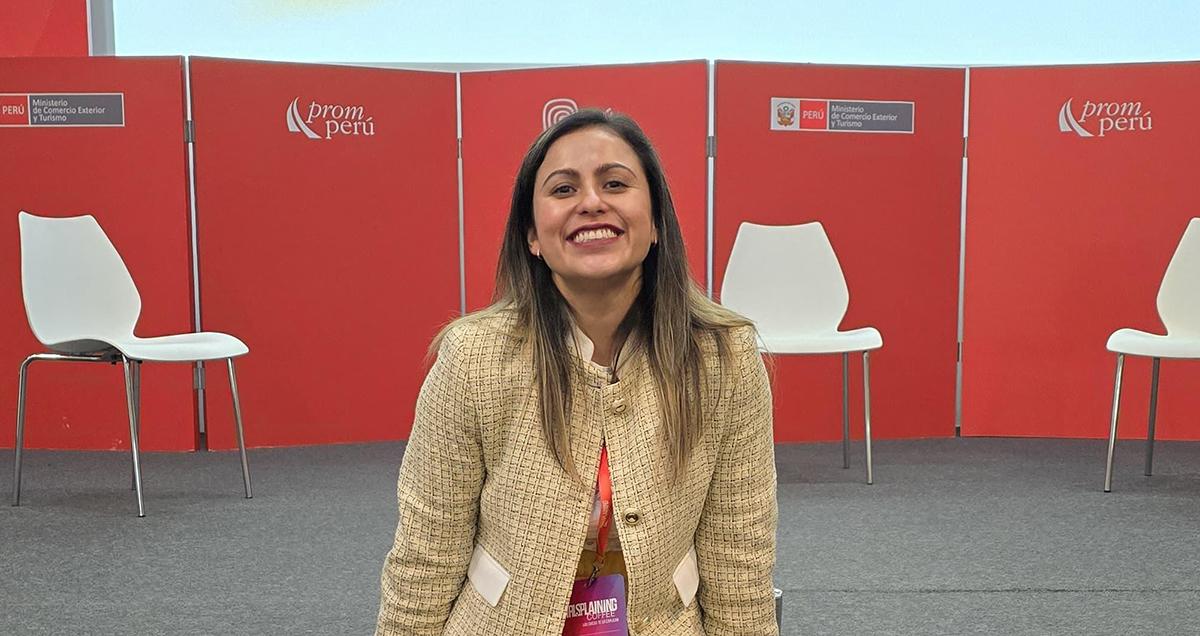
Nació en Villa Rica, en una zona donde el café no era discurso o tendencia, sino parte de la rutina. Ánggela Sara creció entre fincas, cosechas, maquinaria y conversaciones atravesadas por el precio del grano, la producción y el campo. Lo que entonces parecía normal, los cafetales, el beneficio, la vida alrededor de la campaña, con los años se convirtió en una mirada más consciente sobre todo lo que sostiene esta cadena y sobre quiénes han quedado históricamente fuera del foco.
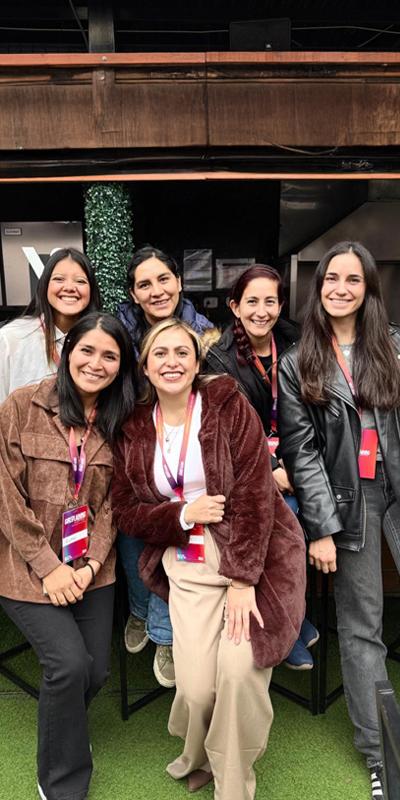
Ánggela Sara García creció entre distintas ramas, algunas de sangre y otras elegidas. Su padre, por ejemplo, se crió con la familia Yohann, amigos cercanos que terminaron siendo también abuelos, tíos y primos para ella. Del lado de su madre la familia es pequeña, apenas unas cuantas personas repartidas en varias generaciones, así que desde niña aprendió que los vínculos también se construyen: amigos del colegio, hijos de amigos o personas cercanas que con los años terminan ocupando el lugar de tías, sobrinas o primos. En su casa aprendió que la familia también puede injertarse, como en el campo: podar, elegir qué conservar y qué dejar crecer. Para ella esos vínculos, los que se construyen y se sostienen, valen tanto como la consanguinidad.
Aunque hoy su nombre está vinculado al café peruano, no siempre pensó que ese sería su camino. Estudió odontología, se tituló joven (21 años) y proyectaba una especialización fuera del país. Durante un tiempo parecía claro que su vida iba a tomar distancia del campo. El regreso al café llegó casi por accidente. Mientras buscaba cómo organizar su tiempo entre el SERUMS (Servicio Rural y Urbano Marginal en Salud) y otros trabajos, recibió la invitación de David Torres Bisetti para participar en un pre–curso enfocado en café. Ahí tuvo un primer acercamiento más técnico: triangulaciones, cata y las pruebas vinculadas al Q Grader, que en ese momento representaban una oportunidad poco común y altamente exigente. Entre cursos, cataciones y trabajo cotidiano apareció algo inesperado: “Por primera vez en mi vida era buena en algo sin que me cueste”, cuenta. Ahí encontró un mundo complejo, lleno de posibilidades, pero también de vacíos, desigualdades y silencios que valía la pena cuestionar.
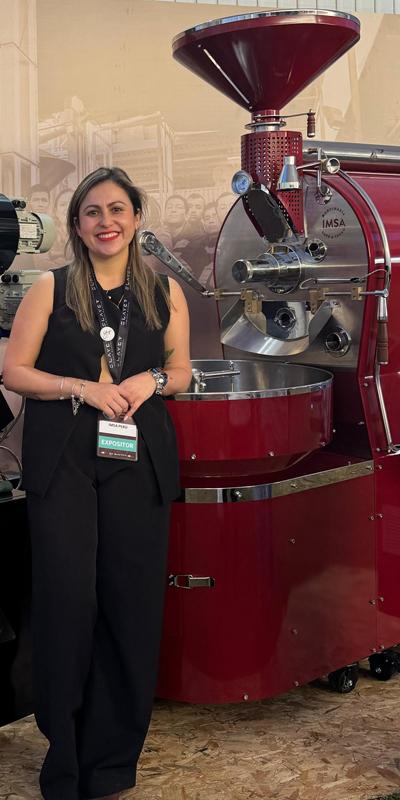
Hay también algo de terquedad en su forma de ser. “Cuando me comprometo, me comprometo de verdad, porque para mí la palabra vale mucho”, dice. Esa manera de asumir las cosas, empeñar la palabra y sostenerla, aparece una y otra vez en su historia. Con los años, Ánggela no solo volvió al café: se quedó. Y desde 2018 asumió la dirección de IMSA, una empresa familiar que diseña y produce maquinaria y equipos para el proceso completo del café y cacao. Lo hizo entendiendo que no se trataba únicamente de sostener un legado, sino de hacerse cargo de una estructura de la que dependen alrededor de 30 familias. En esa ruta ha defendido algo que en el Perú todavía parece excepcional: formalidad laboral, equipo estable y condiciones de trabajo que no deberían ser un lujo.
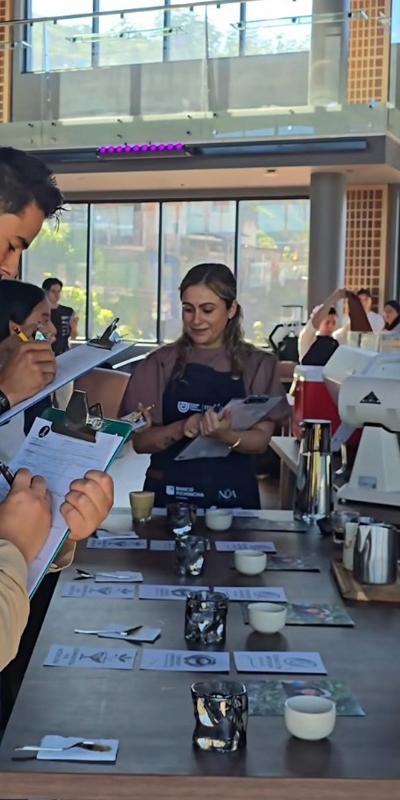
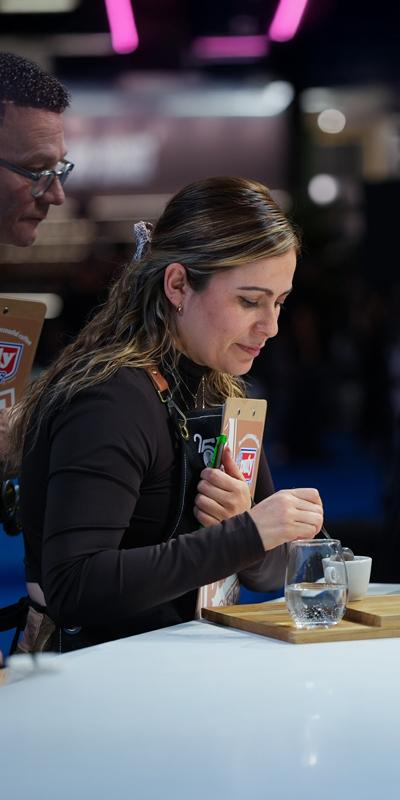
Su lugar en el café, sin embargo, no se acaba ahí. También ha construido un recorrido como jueza en competencias, organizadora de eventos y articuladora de espacios para otras personas dentro de la industria. En un sector donde la conversación suele estar dominada por los mismos nombres y las mismas voces, Ánggela insiste en algo simple: hacer preguntas, incomodar cuando hace falta y abrir espacios también forma parte del trabajo.
Hay un tema que atraviesa su historia y aparece una y otra vez en su discurso: el privilegio, algo que no menciona desde la culpa, sino desde la conciencia. Reconoce el respaldo que ha tenido, emocional, económico y familiar, que le ha dado la posibilidad de estudiar, viajar, formarse y elegir. Pero también sabe que esa no es la realidad de todos. “Mis padres me decían: tu realidad, mamacita linda, es una realidad preciosa que hemos elaborado para ti, es un sueño que te hemos trabajado nosotros a ti porque te queremos cuidar y porque te lo podemos dar, pero hay una realidad que tienes que conocerla”. Quizá por eso buena parte de lo que hace apunta a ampliar el espacio: a que más personas puedan acceder, participar y verse reflejadas en el café desde un lugar más digno y posible.
Esa voluntad se conecta con otra certeza: las mujeres siempre han estado ahí. En el campo, en la casa, en la producción, en los negocios familiares, en el trabajo no remunerado que sostiene todo, aunque durante mucho tiempo no se las nombrara. Ánggela viene de esa historia y también de una generación que ya no está dispuesta a dejarlo pasar como si nada.
Ánggela, la jefa, como le dicen en planta de IMSA, no está en el café por moda ni por pose. Es su propósito. Cree en el café, pero no en la versión edulcorada que suele contarse, sino en una que se atreve a mirar el territorio, las relaciones de poder y todo lo que todavía hay que cambiar. Y en vez de quedarse cómoda dentro de su propio recorrido, decidió usarlo para abrir camino.
Words by Daniel Quintero (IG @danielquintero)
She was born in Villa Rica, where coffee was not a topic or trend, but part of everyday life. Ánggela Sara grew up among farms, harvests, machinery, and conversations shaped by the price of the bean, production, and rural life. What, at the time, seemed normal, coffee plantations, processing, life around harvest season, over the years became a more conscious perspective on everything that sustains this chain and on who has historically remained outside the spotlight.
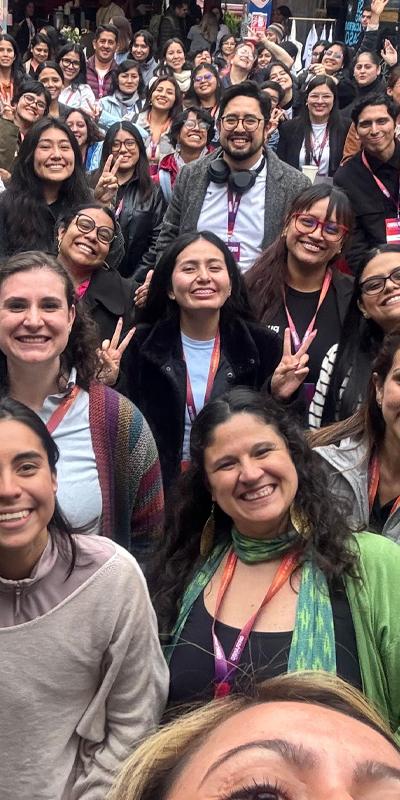
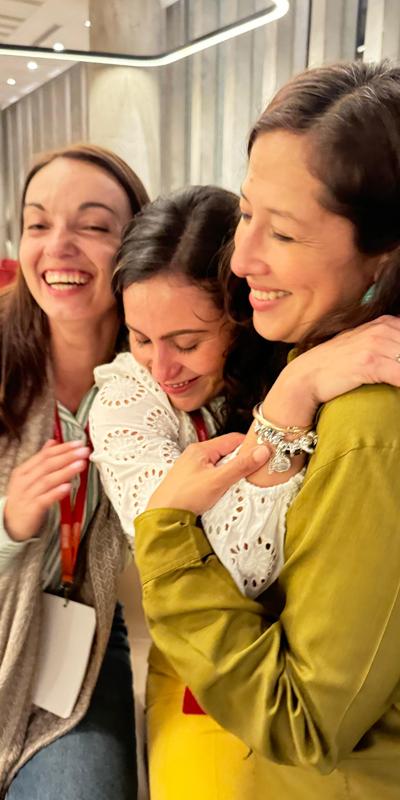
Ánggela Sara García grew up among different branches of family, some by blood and others by choice. Her father, for example, was raised by the Yohann family, close friends who eventually became grandparents, uncles, and cousins for her as well. On her mother’s side, the family is small, just a few people spread across several generations, so from childhood she learned that bonds can also be built: school friends, children of friends or people close to the family who, over time, come to occupy the place of aunts, nieces or cousins. At home, she learned that family can also be grafted, like in the field: pruning, choosing what to keep and what to let grow. For her, those relationships, the ones that are built and sustained, are as valuable as blood ties.
Although today her name is linked to Peruvian coffee, she did not always think that would be her path. She studied dentistry, graduated young (at 21), and planned to pursue a specialization abroad. For a while, it seemed clear that her life would move away from the countryside. Her return to coffee came almost by accident. While figuring out how to organize her time between SERUMS (Rural and Urban Marginal Health Service) and other jobs, she received an invitation from David Torres Bisetti to take part in a pre-course focused on coffee. There, she had her first more technical exposure: triangulations, cupping, and the tests associated with the Q Grader, at the time, a rare and highly demanding opportunity. Between courses, tastings, and everyday work, something unexpected appeared: “For the first time in my life I was good at something without it being difficult,” she says. There she found a complex world, full of possibilities, but also of gaps, inequalities, and silences that were worth questioning.
There is also a certain stubbornness in her personality. “When I commit, I truly commit, because for me a promise means a lot,” she says. That way of approaching things—giving one’s word and standing by it—appears again and again in her story. Over the years, Ánggela did not just return to coffee: she stayed. Since 2018, she has led IMSA, a family company that designs and produces machinery and equipment for the entire coffee and cacao processing chain. She took on the role, understanding that it was not only about preserving a legacy but about taking responsibility for a structure on which around 30 families depend. Along that path, she has defended something that in Peru still seems exceptional: formal employment, a stable team, and working conditions that should not be considered a luxury.
Her place in coffee, however, does not end there. She has also built a path as a competition judge, an event organizer, and a facilitator of spaces for others in the industry. In a sector where the conversation is often dominated by the same names and voices, Ánggela insists on something simple: asking questions, creating discomfort when necessary, and opening spaces is also part of the work.
There is one subject that runs through her story and recurs throughout her discourse: privilege. She does not mention it out of guilt, but out of awareness. She recognizes the emotional, economic, and family support she has received, which has enabled her to study, travel, train, and choose. But she also knows that this is not everyone’s reality. “My parents used to tell me: your reality, my beautiful girl, is a beautiful reality that we have built for you, a dream we have worked to give you because we want to protect you and because we can give it to you, but there is another reality that you have to know.” Perhaps that is why much of what she does is aimed at widening the space: so that more people can access, participate and see themselves reflected in coffee from a more dignified and possible place.
That intention connects with another certainty: women have always been there. In the fields, in the home, in production, in family businesses, in the unpaid labor that sustains everything, even if for a long time they were not named. Ánggela comes from that history and also from a generation that is no longer willing to let it pass as if nothing had happened.
Ánggela, the boss, as they call her at the IMSA plant, is not in it for coffee, fashion, or posture. It is her purpose. She believes in coffee, but not in the sweetened version often touted. Instead, she believes in one that dares to look at the territory, power relations, and everything that still needs to change. And instead of remaining comfortable within her own journey, she chose to use it to open a path.
En el centro del Barrio Gótico, un hotel boutique es punto de descanso y disfrute en una Barcelona cuyas calles están llenas de cultura e historia.
Leer más
Recorremos el distrito con Renzo Garibaldi, fundador de Osso, quien conoce bien sus mesas, sus rutinas y sus antojos.
Leer más
Conversamos Angie Máquez en su restaurante de Surquillo y nos compartió algunos de sus lugares favoritos para comer en el Callao.
Leer más




Cada semana recibirás diversos artículos interesantes sobre gastronomía.
 Regresar


