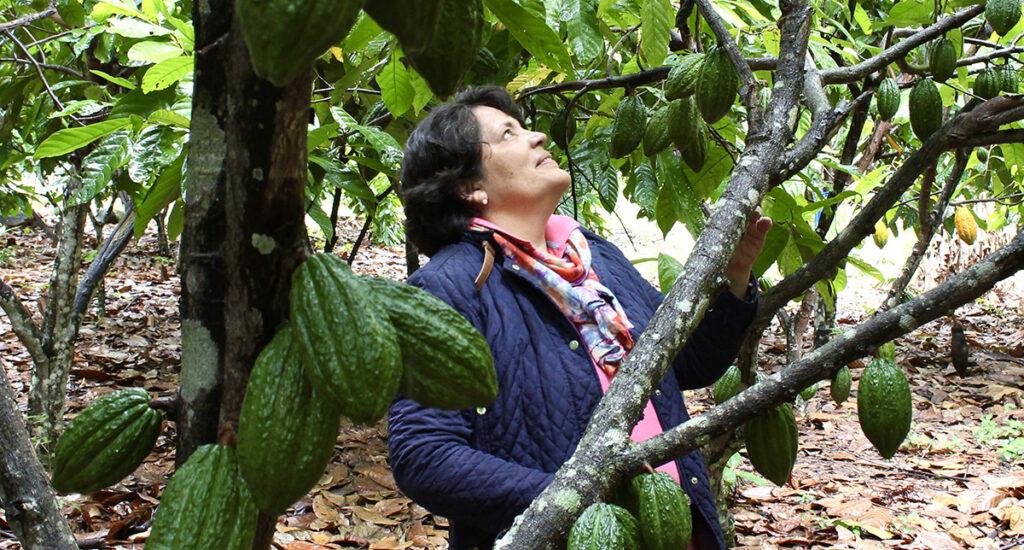
LUCHI NARVÁEZ: LOS SABORES DEL CACAO
Creadora de tabletas que resaltan el sabor de cada variedad de chocolate, meticulosa, curiosa y amante de la cultura.


Creadora de tabletas que resaltan el sabor de cada variedad de chocolate, meticulosa, curiosa y amante de la cultura.
Escribe Daniel Quintero (IG @danielquintero)
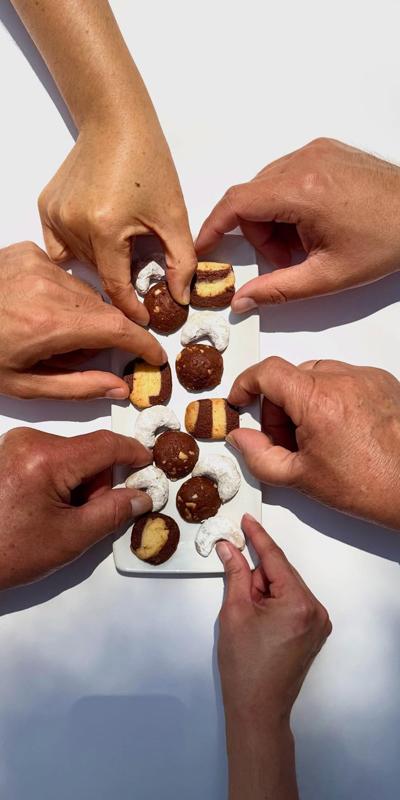
Carmen Luciana “Luchi” Narváez es contadora de la Universidad Ricardo Palma. Pasó buena parte de su vida profesional en oficinas, entre balances, finanzas, para luego dedicarse a la crianza de sus cuatro hijos. Cuando estos crecieron, decidió abrir espacio a un viejo anhelo: la pastelería. Empezó preparando postres, primero para la familia, luego para sus amigos, y entre cuernitos de pecanas y tortas de chocolate descubrió un interés creciente por el cacao. Ese interés se volvió camino, y ese camino, su marca: en 2018 nació URA, una palabra que, para ella, expresa la energía femenina que transforma y nutre.
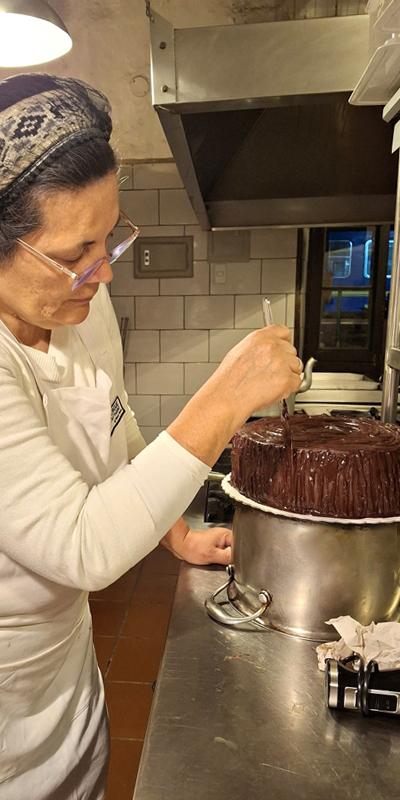
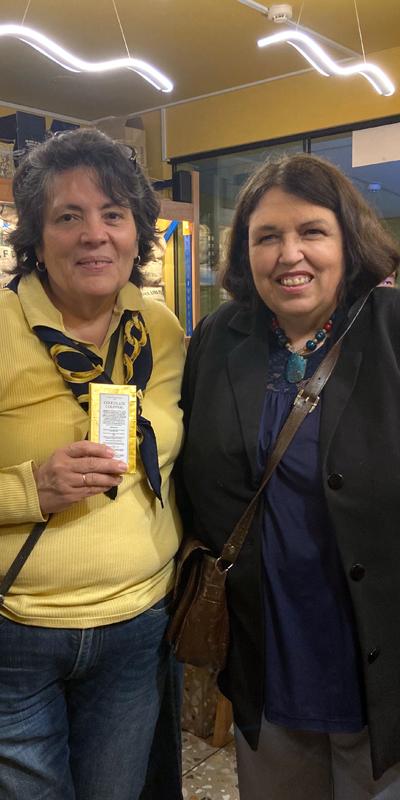
Conocimos a Luciana “Luchi” Narváez en el Salón del Cacao y Chocolate, en un pequeño stand que atendía con una de sus hijas. Mucho antes de consolidar la marca ya venía recorriendo el país, visitando fincas entre 2010 y 2018, aprendiendo de productores y entendiendo el cacao desde el origen. En casa tostaba los granos, tomaba notas en un cuaderno y afinaba procesos con una meticulosidad casi obsesiva: separaba por tamaño, peso y densidad; tostaba y refinaba en condiciones precisas hasta liberar el carácter de cada lote. Todo le toma tiempo, dice, porque la seguridad de que algo saldrá bien es también parte de su sello.
La pandemia la sorprendió en un cacaotal. Esa inmersión prolongada, lejos de la típica visita de dos días que hacen muchos chocolateros, le permitió entender el campo desde adentro y conectar profundamente con las variedades nativas: Ganso, Chuncho, Señorita, Cascarón de huevo. Habla de ellas como si fueran hijos distintos, cada uno con un temperamento y un perfil aromático. A sus 50 decidió formalizar aún más su conocimiento: tomó cursos libres en la facultad de agronomía, se entrenó en poscosecha y cata de licor de cacao con la ingeniera Gladys Ramos y todavía hoy participa en cuanto taller sensorial e investigación puede.
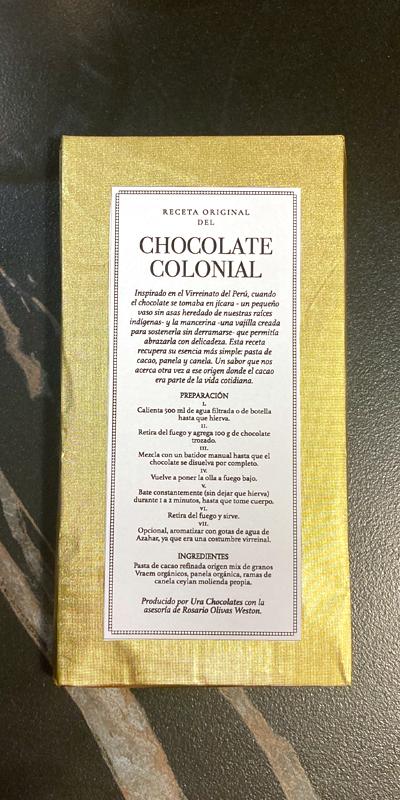
Con la paciencia y meticulosidad que la caracteriza, Luchi viene cocinando a fuego lento un proyecto que empezó hace un par de años, inspirada por una charla de la investigadora Rosario Olivas Weston y por la necesidad de reconstruir un fragmento de nuestra historia culinaria. “Me apasiona el chocolate y lo que hay detrás de su producción, tanto en el campo como en nuestra memoria,” comenta mientras sostiene su tableta de chocolate para taza colonial, una recreación minuciosa del chocolate virreinal que desarrolló junto con la investigadora.
Para ella, no existe una sola razón que justifique este retorno al origen, sino muchas que se alinearon en su búsqueda por entender qué consumimos, de dónde vienen nuestros gustos adquiridos y cómo dialogan con nuestro pasado. Reconstruir la historia de nuestra gastronomía y seguirle el hilo, sostiene, es el paso que nos corresponde si queremos fortalecer una identidad que aún no terminamos de consolidar dentro de nuestra diversidad cultural.
El chocolate colonial es, para ella, un ejemplo perfecto de un buen encuentro: pasta de cacao ecuatoriana (la que se usaba entonces), azúcar tras la llegada de los españoles, canela traída de la India y agua de azahar de raíz árabe, un cruce de caminos que revela cómo distintas migraciones se han integrado en la mesa peruana y cómo cada insumo guarda una historia que merece ser contada. Ella elabora la tableta con granos del Vraem que compró a unos productores que no tenían buen manejo del grano, esto lo lleva a los niveles pre-1900 cuando no se fermentaba de forma controlada el cacao, utiliza panela orgánica, canela molida por ella (sin tamizar para que tenga la textura de otrora) y una vez preparado recomienda agregar dos gotitas de agua de azahar. «Si yo tuviera que mandar un mensaje, no de mi persona –dice Luchi–, sería: si tú crees en algo, hazlo, la vida no es tan larga o tan corta, pero hay que darse la oportunidad para hacerlo. No angustiarse porque la vida se acaba, hay que derribar mitos”.

Words by Daniel Quintero (IG @danielquintero)
Carmen Luciana “Luchi” Narváez is an accountant from Universidad Ricardo Palma. She spent a large part of her professional life in offices, immersed in balance sheets and finance, before dedicating herself to raising her four children. When they grew up, she decided to make room for a long-held desire: pastry. She began preparing desserts, first for her family, then for friends, and between pecan horns and chocolate cakes, she discovered a growing interest in cacao. That interest became a path, and that path became her brand: in 2018, URA was born, a word that, for her, expresses the feminine energy that transforms and nourishes.
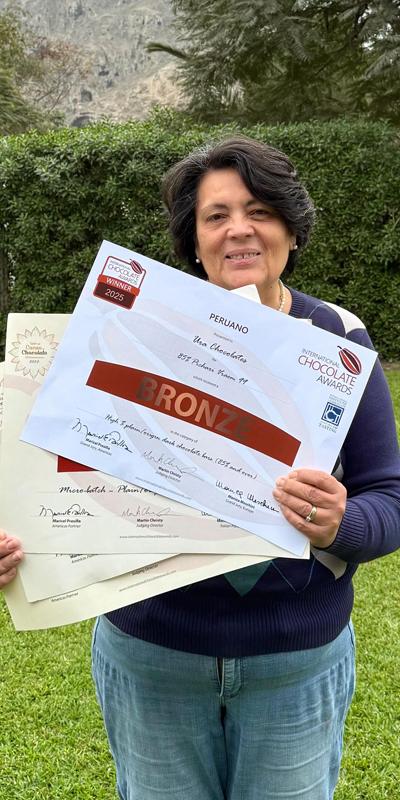
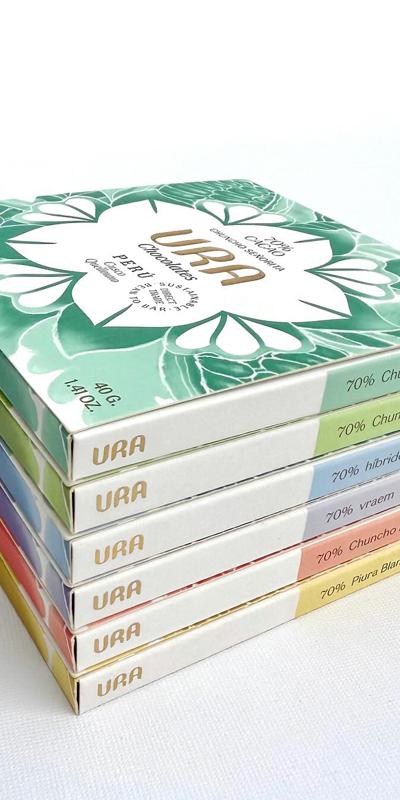
We met Luciana “Luchi” Narváez at the Salón del Cacao y Chocolate, at a small stand she was running with one of her daughters. Long before consolidating the brand, she had been traveling across the country, visiting farms between 2010 and 2018, learning from producers and understanding cacao at its source. At home, she roasted the beans, took notes in a notebook, and refined processes with almost obsessive meticulousness: she separated by size, weight, and density; toasted and refined under precise conditions to release the character of each lot. Everything takes time for her, she says, because the confidence that something will turn out well is also part of her signature.
The pandemic caught her in a cacao field. That prolonged immersion, far from the typical two-day visit many chocolatiers make, allowed her to understand the countryside from within and connect deeply with native varieties: Ganso, Chuncho, Señorita, Cascarón de huevo. She speaks of them as if they were different children, each with a temperament and aromatic profile. At 50, she decided to formalize her knowledge even further: she took open courses at the agronomy school, trained in post-harvest and cacao liquor tasting with engineer Gladys Ramos, and, to this day, participates in every sensory workshop and research opportunity she can.
With the patience and meticulousness that define her, Luchi has been slowly cooking a project she began a couple of years ago, inspired by a talk by researcher Rosario Olivas Weston and by the need to reconstruct a fragment of our culinary history. “I am passionate about chocolate and everything behind its production, both in the field and in our memory,” she says as she holds her colonial drinking chocolate tablet, a meticulous recreation of viceregal chocolate that she developed with the researcher.
For her, there is no single reason that justifies this return to the origin, but many that aligned in her search to understand what we consume, where our acquired tastes come from, and how they dialogue with our past. Reconstructing the history of our gastronomy and following its thread, she argues, is the step we must take if we want to strengthen an identity we have not yet fully consolidated within our cultural diversity.
Colonial chocolate is, for her, a perfect example of a good encounter: Ecuadorian cacao paste (the one used at the time), sugar after the arrival of the Spanish, cinnamon brought from India, and orange blossom water with Arab roots. A crossroads that reveals how different migrations have integrated into the Peruvian table and how each ingredient holds a story worth telling. She makes the tablet with beans from the Vraem that she bought from producers who lacked good grain management. This brings it back to pre-1900 levels, when cacao was not fermented under controlled conditions. She uses organic panela, cinnamon she grinds herself (without sifting so it keeps the texture of the past), and once prepared, she recommends adding two drops of orange blossom water. “If I had to send a message, not about myself –she says–, it would be: if you believe in something, do it. Life isn’t that long or that short, but you have to give yourself the chance to try. Don’t worry because life ends; we must break myths.”
Conocimos este lujoso resort que semeja un oasis enmarcado con las imponentes torres y rascacielos que pueblan la moderna capital panameña.
Leer más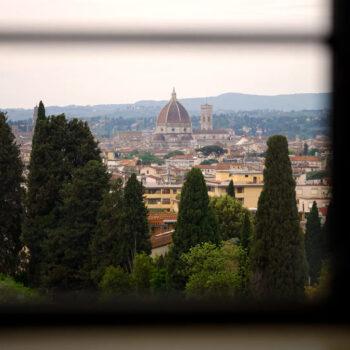
En la capital de la región Toscana, un antiguo colegio ha sido transformado en un hotel de lujo recién inaugurado.
Leer más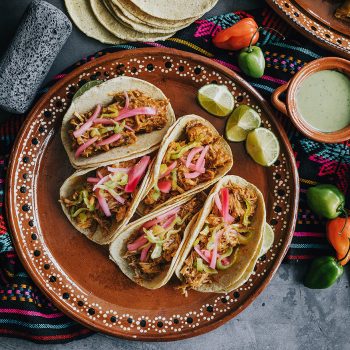
Muy cerca de la famosa Riviera Maya, en México, se encuentra otro paraje imperdible: el estado de Yucatán. Un destino recomendado para amantes de la gastronomía.
Leer más




Cada semana recibirás diversos artículos interesantes sobre gastronomía.
 Regresar


